
Table des matières:
Strasbourg’s Climate at a Glance
Strasbourg, located in the Alsace region of eastern France, experiences a semi-continental climate with distinct seasons. The weather is characterized by cold winters, warm summers, and moderate rainfall throughout the year. Understanding what the weather is like in Strasbourg helps you plan your visit, pack appropriately, and make the most of your time in this charming city.
Seasonal Weather Overview
Spring (March to May)
Spring in Strasbourg is a transition period. March remains chilly, with average highs around 11°C (52°F) and lows near 3°C (37°F). By May, temperatures rise to a pleasant 19°C (66°F). Rainfall is moderate, and you can expect occasional showers. The city’s parks and gardens bloom, making it a lovely time for outdoor walks.
Summer (June to August)
Summers are warm but not extreme. July is the hottest month, with average highs around 25°C (77°F) and lows around 15°C (59°F). Heatwaves can push temperatures above 30°C (86°F), but they are usually short-lived. Thunderstorms are common in late afternoon. Summer is ideal for exploring the city’s canals and terraces.
Autumn (September to November)
September still feels summery, with highs of 21°C (70°F). By November, temperatures drop to around 8°C (46°F). Rainfall increases, and fog can occur in the mornings. Autumn colors make the city picturesque, especially around the Cathedral and along the Ill River.
Winter (December to February)
Winters are cold and often gray. January is the coldest month, with average highs of 5°C (41°F) and lows near -1°C (30°F). Snowfall is possible but not heavy; the city typically sees a few snowy days each year. The Christmas markets are a major draw, so expect chilly but festive weather.
Monthly Temperature and Rainfall Averages
| Month | Avg High (°C) | Avg Low (°C) | Rainfall (mm) |
|---|---|---|---|
| January | 5 | -1 | 32 |
| February | 7 | 0 | 34 |
| March | 11 | 3 | 36 |
| April | 15 | 6 | 44 |
| May | 19 | 10 | 74 |
| June | 23 | 14 | 68 |
| July | 25 | 15 | 62 |
| August | 25 | 15 | 63 |
| September | 21 | 11 | 53 |
| October | 15 | 7 | 55 |
| November | 9 | 3 | 46 |
| December | 5 | 0 | 39 |
What to Pack for Strasbourg Weather
Packing for Strasbourg depends on the season. Here’s a practical checklist:
- Spring: Layered clothing, a light jacket, umbrella, and comfortable walking shoes.
- Summer: Lightweight clothes, a sweater for evenings, sunscreen, and a rain jacket for sudden storms.
- Autumn: Warm layers, a waterproof coat, scarf, and boots for wet leaves.
- Winter: Heavy coat, hat, gloves, scarf, thermal layers, and waterproof boots for snow or slush.
Best Time to Visit Strasbourg
The best time to visit Strasbourg depends on your preferences. For mild weather and fewer crowds, late spring (May) and early autumn (September) are ideal. If you love Christmas markets, December offers a magical atmosphere despite the cold. Summer is great for outdoor dining and boat tours, but it can be crowded. Winter is perfect for cozy indoor activities and festive markets.
Common Weather Questions About Strasbourg
Does it rain a lot in Strasbourg?
Strasbourg receives moderate rainfall year-round, averaging about 600 mm annually. Rain is evenly distributed, with slightly more in late spring and early summer. Sudden downpours are common, but long rainy spells are rare.
Does Strasbourg get snow?
Yes, Strasbourg gets snow, but it’s usually light. On average, the city sees 10-15 snowy days per year, mainly in January and February. Snowfall rarely disrupts travel, but it can make the city look stunning.
Is Strasbourg humid?
Strasbourg has moderate humidity, typically between 70-80%. It can feel muggy in summer during thunderstorms, but overall it’s not oppressive. Winter fog can increase humidity levels.
What is the wind like in Strasbourg?
Winds in Strasbourg are generally light to moderate. The city is sheltered by the Vosges mountains, so strong winds are uncommon. Average wind speed is around 10-15 km/h.
Weather-Related Activities in Strasbourg
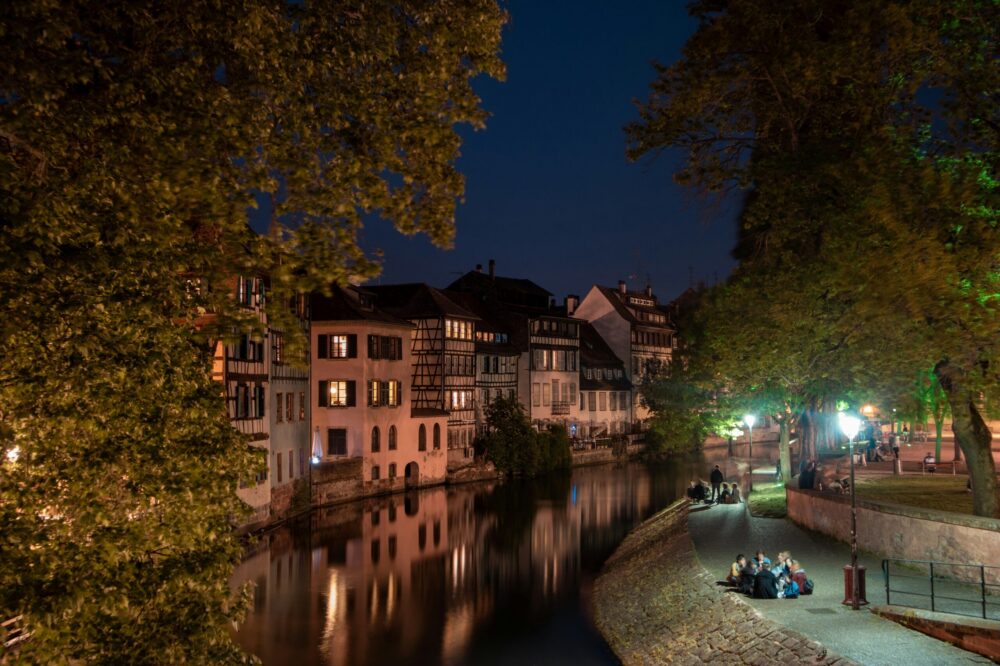
Strasbourg offers activities for every weather condition. On sunny days, explore the Petite France district, take a boat tour on the Ill River, or visit the Parc de l’Orangerie. On rainy days, discover the Strasbourg Cathedral, museums like the Musée d’Art Moderne, or cozy up in a winstub (traditional Alsatian restaurant). In winter, the Christmas markets are a must, with mulled wine and local crafts.
How to Stay Updated on Strasbourg Weather
For real-time forecasts, use reliable apps like Météo-France, AccuWeather, or Weather.com. Local news stations also provide updates. Keep an eye on the UV index in summer and air quality during heatwaves.
Mistakes to Avoid When Planning for Strasbourg Weather
- Underestimating winter cold: Even if you’re from a colder climate, the damp chill can feel biting. Pack accordingly.
- Forgetting rain gear: Rain can occur any month, so always carry an umbrella or rain jacket.
- Ignoring heatwaves: Summer heat can spike; stay hydrated and seek shade.
- Not checking the forecast before outdoor plans: Weather can change quickly, especially in spring and autumn.
Final Tips for Enjoying Strasbourg in Any Weather
No matter what the weather is like in Strasbourg, the city’s charm shines through. Embrace the seasons: sip hot chocolate in winter, enjoy al fresco dining in summer, and admire the autumn foliage. With the right preparation, you’ll have a wonderful experience year-round.
Frequently Asked Questions About Strasbourg Weather
What is the average temperature in Strasbourg in July?
The average high in July is 25°C (77°F), with lows around 15°C (59°F).
Does Strasbourg experience extreme weather?
Extreme weather is rare. Occasional heatwaves in summer and cold snaps in winter occur, but severe storms or floods are uncommon.
Is Strasbourg sunny?
Strasbourg gets about 1,600 hours of sunshine per year, which is moderate. Summer months are sunniest, while winter has many overcast days.
What is the best month to visit Strasbourg for good weather?
May and September offer the most pleasant weather with mild temperatures and lower rainfall.
How cold does Strasbourg get in winter?
January lows can drop to -1°C (30°F), but temperatures often stay just above freezing. Snow and frost are common.
Does Strasbourg have a rainy season?
No distinct rainy season, but late spring (May-June) tends to be wetter. Rainfall is spread throughout the year.
Photo by Gus Pacheco on Pexels
I’m interested in the Christmas markets. How likely is snow in December?
Snow is possible but not guaranteed. Strasbourg averages a few snowy days each year, often in January. In December, you might see light dustings, but heavy snow is rare. Dress warmly regardless.
Thanks for the packing tips! For summer, is a light jacket enough for evenings, or should I bring something warmer?
A light jacket or sweater is usually sufficient for summer evenings, as lows hover around 15°C (59°F). If you’re sensitive to cool air, a mid-weight layer might be more comfortable.
The rainfall averages seem similar across months. Is there any month that is noticeably drier than others?
February is the driest month with only 34 mm of rain, while June and July see the most at 68 and 62 mm respectively. Still, differences are modest, so don’t expect a completely dry month.
We’re planning a trip in late October. Is the fog as common as the article suggests, and does it affect sightseeing?
Yes, fog can occur in autumn, especially in the mornings. It usually lifts by late morning, so it shouldn’t disrupt your sightseeing much. Just plan for indoor activities early if needed.