Table des matières:
Why Strasbourg Is a Top Choice for Short Courses
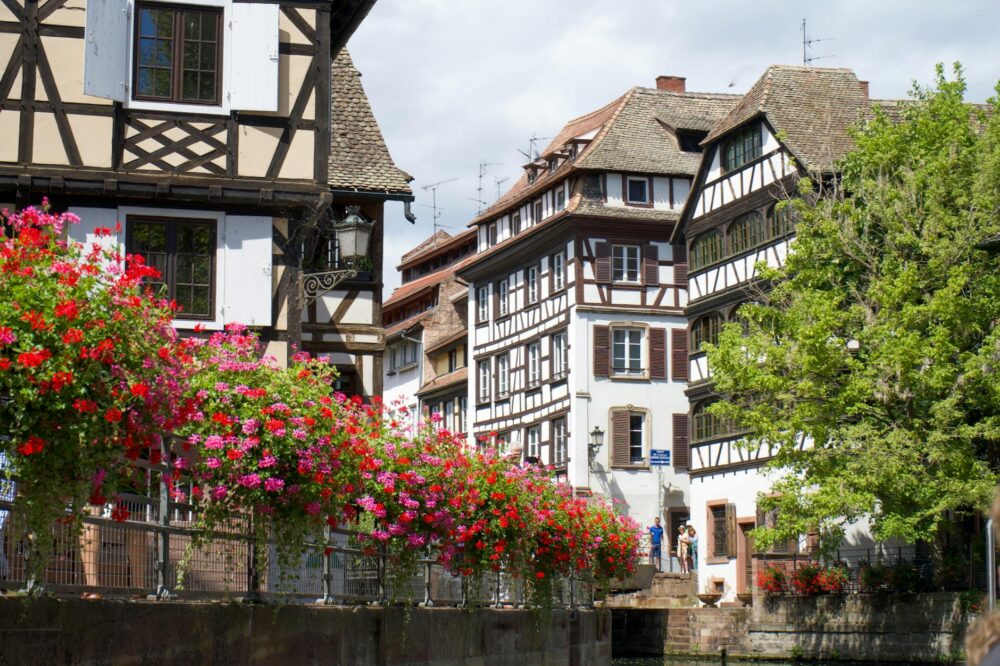
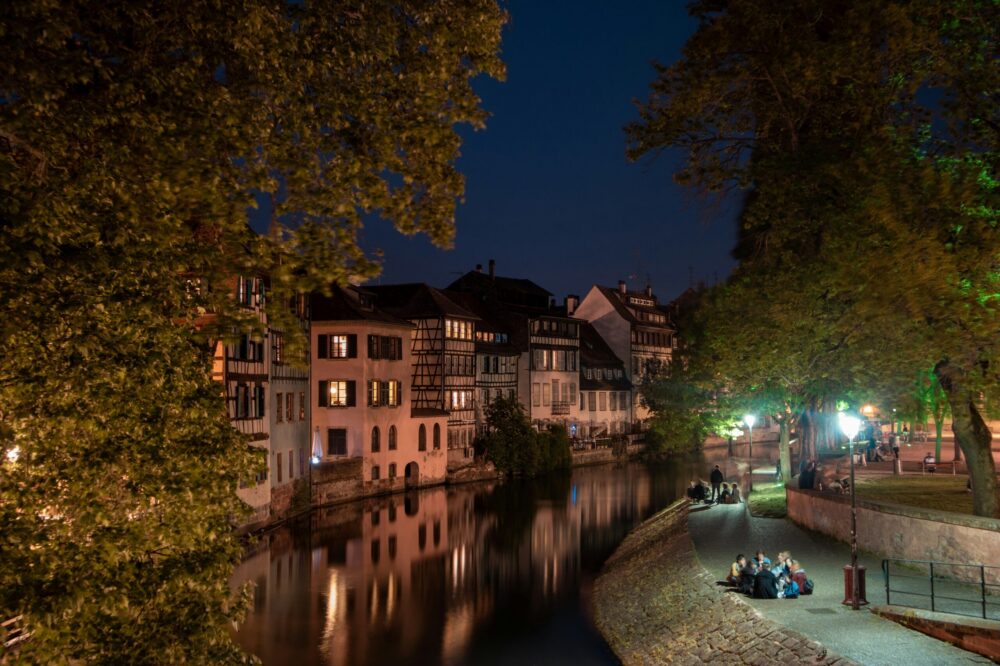
Strasbourg, a vibrant city in northeastern France, attracts thousands of international students each year. Known for its rich history, European institutions, and high-quality education, it offers a range of short courses—from language programs to specialized workshops. If you’re planning to study here for less than 90 days, you’ll likely need a short-stay student visa. This guide explains exactly how to get a student visa for short courses in Strasbourg, covering requirements, application steps, and common pitfalls.
Do You Need a Visa for a Short Course in Strasbourg?
Whether you need a visa depends on your nationality. Citizens of the European Union (EU), European Economic Area (EEA), and Switzerland do not need a visa for short courses. However, most non-EU nationals require a short-stay visa (Schengen visa) for courses lasting up to 90 days. Some nationalities (e.g., US, Canadian, Japanese) can enter France visa-free for up to 90 days, but may still need a visa if the course is classified as “studies.” Always check with the French consulate in your country.
Types of Visas for Short Courses in Strasbourg
Short-Stay Student Visa (Visa de Court Séjour pour Études)
This visa is for courses lasting less than 90 days. It allows you to stay in the Schengen Area for up to 90 days within a 180-day period. You cannot work or extend this visa.
Schengen Visa for Studies
If your course is part of a program in another Schengen country, you may apply for a Schengen visa. The requirements are similar to the short-stay student visa.
Step-by-Step: How to Get a Student Visa for Short Courses in Strasbourg
Step 1: Secure Admission to a Recognized Institution
Before applying, you must be accepted into a short course at a registered school, university, or language center in Strasbourg. Popular institutions include the University of Strasbourg, Sciences Po Strasbourg, and private language schools like Accord Language School. Obtain an official acceptance letter or enrollment certificate.
Step 2: Check Your Nationality and Visa Exemptions
Visit the website of the French consulate or embassy in your country. Use their visa wizard to determine if you need a visa. For example, citizens of India, China, or South Africa typically need a visa, while those from South Korea or Brazil may have different rules.
Step 3: Gather Required Documents
Prepare the following documents:
- Valid passport (issued within the last 10 years, with at least two blank pages, valid for at least 3 months beyond your planned departure from the Schengen Area)
- Completed visa application form (available online via France-Visas)
- Two recent passport-sized photos (35mm x 45mm, white background)
- Proof of accommodation in Strasbourg (hotel booking, rental agreement, or letter from a host)
- Round-trip flight itinerary or proof of transportation
- Travel health insurance (minimum €30,000 coverage, valid in the Schengen Area)
- Proof of sufficient funds (bank statements, sponsor letter, or scholarship letter) – typically €65 per day of stay
- Acceptance letter from the educational institution in Strasbourg
- Proof of payment of course fees (if applicable)
- Cover letter explaining your study plans and intention to return home
Step 4: Complete the Online Application
Create an account on the France-Visas website (france-visas.gouv.fr). Fill out the application form, upload supporting documents, and schedule an appointment at the nearest French consulate or visa application center (VFS Global, TLScontact, etc.).
Step 5: Attend the Visa Interview
On the appointment day, bring all original documents plus copies. The interview is usually brief. Consular officers may ask about your course, accommodation, and ties to your home country. Answer honestly and confidently.
Step 6: Wait for Processing
Processing times vary from 15 days to 45 days. Apply at least 3–4 weeks before your course start date. You can track your application online.
Step 7: Collect Your Visa
If approved, you’ll receive a visa sticker in your passport. Check the validity dates and conditions. If rejected, you can appeal within 30 days.
Common Mistakes to Avoid When Applying
- Incomplete documentation: Missing even one document can lead to rejection. Use a checklist.
- Insufficient funds: Ensure your bank statement shows enough money for your entire stay.
- Weak ties to home country: Demonstrate that you will return (job, family, property).
- Last-minute application: Apply early to avoid delays.
- Wrong visa type: Do not apply for a tourist visa if you are studying; it may cause issues at the border.
Practical Checklist for a Smooth Application
| Task | Timeline |
|---|---|
| Get acceptance letter from Strasbourg institution | 2–3 months before course |
| Check visa requirements | 2 months before |
| Gather documents | 1–2 months before |
| Complete France-Visas online application | 1 month before |
| Schedule and attend interview | 3–4 weeks before |
| Receive visa | 1–2 weeks before travel |
What to Do After Receiving Your Visa
Once you have your visa, you can travel to Strasbourg. Upon arrival, you may need to register with the local prefecture if your stay exceeds 90 days (not applicable for short courses). Keep your passport and visa with you at all times. Attend your course, enjoy the city, and respect visa conditions.
Frequently Asked Questions
Can I work on a short-stay student visa in Strasbourg?
No, short-stay student visas do not permit work. You cannot take up employment during your course.
What if my course is longer than 90 days?
You need a long-stay student visa (VLS-TS). The process is different and requires additional documents like proof of financial resources for the entire duration.
Can I extend my short-stay student visa?
Extensions are not possible. You must leave the Schengen Area before your visa expires. If you want to stay longer, apply for a long-stay visa from your home country.
Do I need to show a return flight ticket?
Yes, a round-trip flight itinerary is usually required as proof of intention to leave after your course.
How much money do I need to show for a short course in Strasbourg?
The French consulate typically requires €65 per day of stay. For a 30-day course, you need at least €1,950 in your bank account.
What happens if my visa is rejected?
You can appeal the decision within 30 days by writing to the consulate. Alternatively, reapply with stronger documentation.
Your Next Steps: Start Your Application Today
Getting a student visa for short courses in Strasbourg is straightforward if you follow the steps carefully. Begin by securing your course enrollment, then gather documents and submit your application early. For personalized advice, consult the French consulate in your country or a trusted immigration advisor. Bon voyage and enjoy your studies in Strasbourg!