

Table des matières:
Understanding Tuition Fees at the University of Strasbourg
The University of Strasbourg (Université de Strasbourg) is one of France’s leading research universities, attracting thousands of international students each year. If you’re considering studying here, the first practical question is: what is the tuition fee at Strasbourg University? The answer depends on your nationality, level of study, and chosen program. This guide breaks down all costs, exemptions, and hidden fees so you can plan your budget confidently.
Tuition Fees for EU/EEA Students
For students from the European Union, European Economic Area, Switzerland, or Andorra, tuition fees at Strasbourg University are set by the French Ministry of Higher Education and are relatively low. These are the standard rates for public universities in France:
| Program Level | Annual Tuition Fee (2024-2025) |
|---|---|
| Bachelor’s (Licence) | €170 |
| Master’s | €243 |
| Doctorate (PhD) | €380 |
| Engineering Degree (from INSA or Telecom Physique Strasbourg) | €601 (public) / varies for private institutions |
These fees are the same across all public universities in France. However, some specific programs (e.g., certain engineering schools, business degrees) may have separate fee structures. Always check the program’s official page.
Additional Mandatory Fees
Besides tuition, all students must pay the CVEC (Contribution de Vie Étudiante et de Campus) of €103 per year (2024-2025). This fee covers health services, sports, and cultural activities. You must pay it before enrolling.
Tuition Fees for Non-EU/EEA International Students
Since 2019, France has implemented differentiated tuition fees for students from outside the EU/EEA. At Strasbourg University, these fees are higher but still competitive compared to other countries. For the 2024-2025 academic year, the rates are:
| Program Level | Annual Tuition Fee |
|---|---|
| Bachelor’s (Licence) | €2,770 |
| Master’s | €3,770 |
| Doctorate (PhD) | €380 (same as EU students) |
Note that PhD fees for non-EU students are the same as for EU students — a great advantage for doctoral candidates. Also, some programs (like engineering or business) may have different fees; always verify with the specific school.
Fee Exemptions and Reductions
Strasbourg University offers partial or full exemptions from differentiated fees for certain categories of non-EU students:
- Students who are already residing in France (e.g., with a valid long-stay visa)
- Refugees or beneficiaries of subsidiary protection
- Students enrolled in specific partnership programs
- Students with excellent academic records may apply for a fee waiver (subject to approval)
- Students from countries with bilateral agreements (e.g., Quebec, some African nations)
To request an exemption, you must submit a dossier to the university’s international relations office before enrollment. Exemptions are not automatic.
Cost of Living in Strasbourg
Tuition is only part of the expense. Strasbourg is a mid-sized city in eastern France, and living costs are moderate. Here’s a monthly budget breakdown for a single student:
| Expense | Estimated Monthly Cost |
|---|---|
| Accommodation (studio or shared flat) | €400 – €600 |
| Food and groceries | €200 – €300 |
| Transport (bus/tram, student pass) | €25 (annual pass ~€250) |
| Health insurance (if not covered by social security) | €0 – €50 |
| Miscellaneous (phone, leisure, etc.) | €100 – €200 |
| Total | €725 – €1,175 |
Strasbourg is slightly cheaper than Paris but more expensive than smaller French cities. International students should budget at least €800 per month for a comfortable lifestyle.
Accommodation Options
Finding housing in Strasbourg can be competitive, especially at the start of the academic year. Options include:
- CROUS residences: University-managed dormitories, €200-€450 per month (subsidized)
- Private studios: €400-€700 per month
- Shared flats (colocations): €350-€500 per person
- Homestay: €500-€700 with meals sometimes included
Apply for CROUS housing early (from March) as demand is high.
Scholarships and Financial Aid
Several scholarships can help reduce the financial burden:
- French government scholarships (Campus France): For international students, covering tuition and living expenses
- Eiffel Excellence Scholarship: For master’s and PhD students
- Erasmus+: For EU students studying abroad
- Strasbourg University specific grants: Based on academic merit or financial need
- Regional scholarships (Grand Est region): For certain programs
Check the university’s scholarship page and Campus France for deadlines and eligibility.
Common Mistakes to Avoid
When planning your budget, watch out for these pitfalls:
- Assuming all programs have the same fees: Engineering, business, and some specialized programs (e.g., medicine) may have higher tuition. Always confirm on the program’s official site.
- Forgetting the CVEC: This mandatory fee is often overlooked; you cannot enroll without paying it.
- Not applying for fee exemptions: If you qualify, you could save thousands of euros. Submit your request early.
- Underestimating living costs: Strasbourg’s rent can be high near the city center. Plan for at least €800 per month.
- Ignoring health insurance: Non-EU students must register for French social security (free) and may need a top-up mutuelle (€20-€50/month).
Frequently Asked Questions
Is Strasbourg University free for EU students?
No, but tuition is very low: €170 per year for a bachelor’s, plus the CVEC fee of €103. So total is about €273 per year.
Do non-EU students pay the same fees as EU students?
No, non-EU students pay differentiated fees: €2,770 for bachelor’s and €3,770 for master’s. PhD fees are the same (€380). Exemptions are possible.
Are there any hidden costs besides tuition?
Yes, you must pay the CVEC (€103/year), health insurance (if not covered), and living expenses. Also, some programs require additional lab fees or materials.
Can I work while studying to cover costs?
Yes, international students can work up to 964 hours per year (about 20 hours/week). Minimum wage in France is around €11.52/hour (2024).
Does Strasbourg University offer full scholarships?
Yes, but they are competitive. The university offers some merit-based scholarships, and the French government provides programs like the Eiffel Scholarship. Check the university’s financial aid page.
How do I pay the tuition fee?
Payment is usually made online during enrollment. You can pay by credit card, bank transfer, or check (if you have a French bank account). Installments may be possible for some students.
Practical Checklist for Budgeting Your Studies at Strasbourg University
- ✅ Confirm your program’s exact tuition fee on the official university website.
- ✅ Check if you are eligible for a fee exemption or reduction.
- ✅ Budget for CVEC (€103) and health insurance.
- ✅ Estimate monthly living expenses (€800-€1,200).
- ✅ Apply for scholarships early (deadlines vary).
- ✅ Research accommodation options and apply for CROUS housing early.
- ✅ Plan for a visa application fee (€99 for long-stay visa) if non-EU.
- ✅ Open a French bank account for easier payments.
By following this guide, you can accurately calculate what is the tuition fee at Strasbourg University and prepare a realistic budget. Remember to always verify current fees on the official website, as rates may change annually. Good luck with your studies!
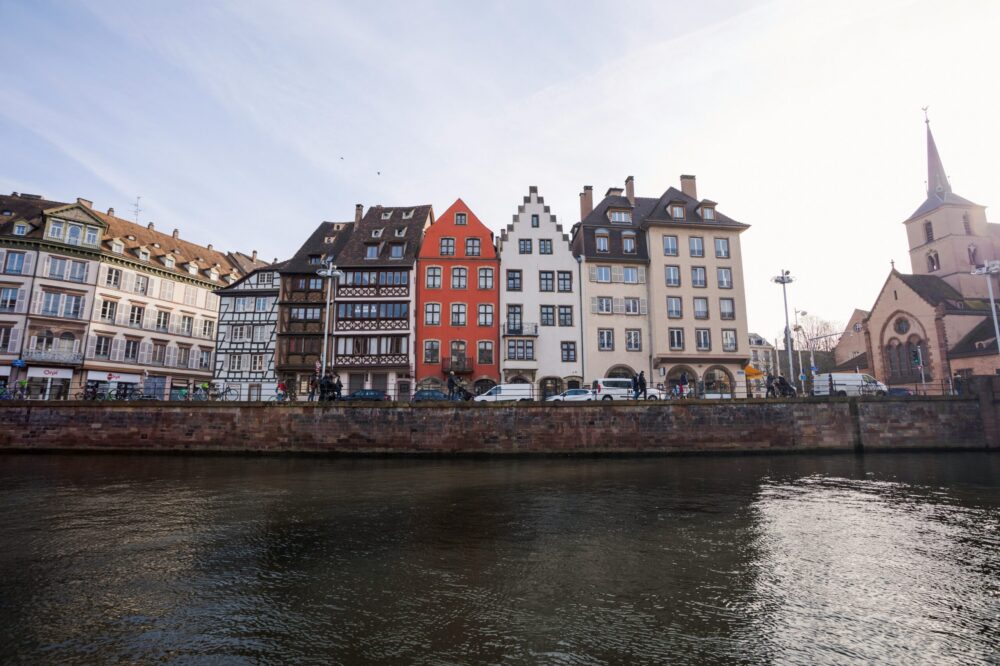
Photo by Anatol Rurac on Unsplash



I’m a non-EU student and I’m confused about the CVEC fee. Do I have to pay it in addition to the tuition, and is it the same for all students?
Yes, the CVEC (€103 per year) is mandatory for all students, EU and non-EU alike. It’s paid separately before enrollment and covers campus health services, sports, and cultural activities. So you’ll pay tuition plus the CVEC.