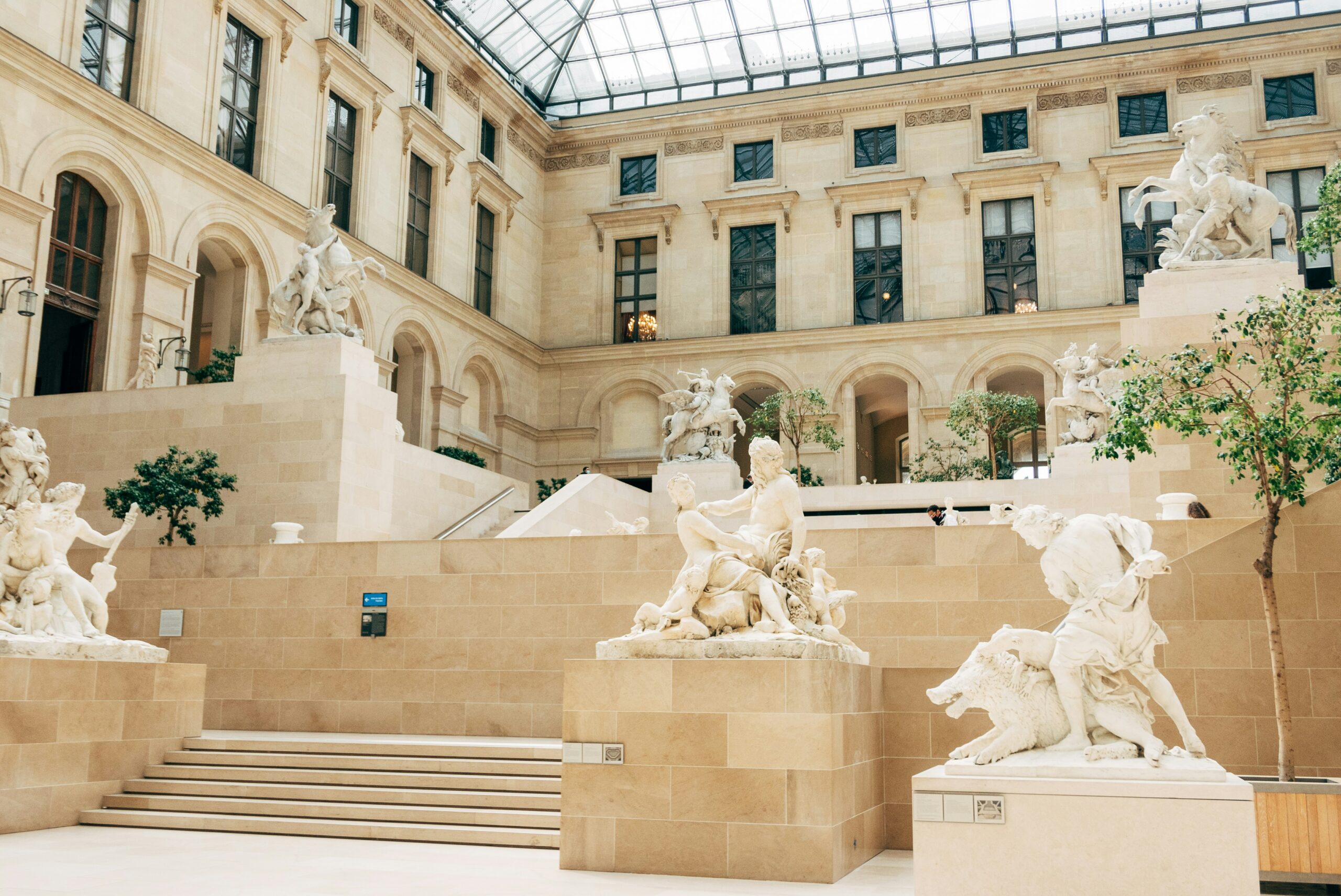
Visiting the Louvre Museum in Paris is a dream for art lovers and travelers alike, but with over 35,000 works on display across 652,000 square feet, it can feel overwhelming. Knowing what are the must-see artworks and exhibits at the Louvre Museum is key to making the most of your time. This guide highlights the iconic masterpieces and essential collections that define the Louvre’s legacy, helping you navigate its vast galleries with confidence.
Table des matières:
Why the Louvre’s Must-See Artworks Matter
The Louvre is not just a museum; it’s a cultural treasure trove spanning from antiquity to the 19th century. Its must-see artworks and exhibits offer a journey through human creativity, from ancient civilizations to the Renaissance. By focusing on these highlights, you’ll experience the essence of art history without getting lost in the crowds. Whether you have a few hours or a full day, this guide ensures you don’t miss the pieces that have captivated millions.
Iconic Must-See Artworks at the Louvre Museum
These are the works that draw visitors from around the world. Each tells a unique story and represents a pinnacle of artistic achievement.
Leonardo da Vinci’s Mona Lisa
No visit to the Louvre is complete without seeing the Mona Lisa. Housed in the Salle des États, this 16th-century portrait is renowned for its enigmatic smile and masterful technique. While it can be crowded, viewing it up close reveals da Vinci’s innovative use of sfumato. Remember to also appreciate the surrounding Italian Renaissance paintings in the room.
Venus de Milo
This ancient Greek statue, dating to around 100 BCE, is a symbol of classical beauty. Located in the Greek Antiquities section, the Venus de Milo’s missing arms add to its mystique, highlighting the artistry of Hellenistic sculpture. Its graceful pose and detailed drapery make it a standout among the Louvre’s must-see artworks.
Winged Victory of Samothrace
Perched dramatically at the top of the Daru staircase, the Winged Victory of Samothrace is a Hellenistic masterpiece from the 2nd century BCE. Its dynamic composition and sense of movement capture the triumph of naval victory, making it a powerful example of ancient art. The setting enhances its impact, so take a moment to view it from different angles.
Eugène Delacroix’s Liberty Leading the People
This 19th-century painting is a landmark of Romanticism, depicting the July Revolution of 1830. In the Denon wing, its vibrant colors and emotional intensity showcase Delacroix’s skill. It’s a must-see for understanding how art can reflect political and social change.
Essential Exhibits and Collections to Explore
Beyond individual artworks, the Louvre’s exhibits offer deep dives into specific eras and cultures. Here are key areas to prioritize.
Egyptian Antiquities
The Louvre’s Egyptian collection is one of the world’s largest, featuring artifacts from the Nile civilizations. Must-see items include:
- The Seated Scribe: A painted limestone statue from 2500 BCE, notable for its realistic eyes.
- The Great Sphinx of Tanis: A granite sphinx from the 26th century BCE, showcasing ancient Egyptian craftsmanship.
- Mummies and sarcophagi: Offering insights into burial practices and beliefs.
This exhibit provides a comprehensive look at ancient Egypt’s art and daily life.
Greek, Etruscan, and Roman Antiquities
This section spans from Neolithic periods to the fall of the Roman Empire. Highlights include:
- The Venus de Milo and Winged Victory, as mentioned above.
- The Borghese Gladiator: A Hellenistic sculpture admired for its anatomical precision.
- Roman mosaics and busts: Displaying the evolution of classical art forms.
It’s ideal for tracing the development of Western sculpture.
French Painting and Sculpture
The Louvre holds an extensive collection of French art from the Middle Ages to 1848. Key works to see are:
- Jacques-Louis David’s The Coronation of Napoleon: A grand neoclassical painting depicting Napoleon’s 1804 ceremony.
- Jean-Auguste-Dominique Ingres’ The Grande Odalisque: Known for its elongated proportions and exoticism.
- Medieval and Renaissance altarpieces: Reflecting France’s religious art heritage.
This area highlights France’s contributions to European art history.
Near Eastern Antiquities
This exhibit features artifacts from Mesopotamia, Persia, and the Levant, including:
- The Code of Hammurabi: A Babylonian stele from 1750 BCE, one of the oldest legal codes.
- Assyrian lamassu: Winged bull statues from the palace of Khorsabad, symbolizing protection.
- Persian reliefs: Showcasing the artistry of ancient empires.
It’s crucial for understanding early civilizations and their artistic achievements.
Tips for Experiencing the Must-See Artworks and Exhibits
To make your visit efficient and enjoyable, consider these practical suggestions.
Plan Your Route in Advance
The Louvre is divided into three wings: Denon, Sully, and Richelieu. Start with the Denon wing for the Mona Lisa, Venus de Milo, and Winged Victory, then move to Sully for Egyptian Antiquities, and Richelieu for French paintings. Use the museum map or app to avoid backtracking.
Visit During Off-Peak Hours
Crowds are heaviest from 10 a.m. to 3 p.m. and on weekends. Arrive early at opening (9 a.m.) or later in the afternoon to see popular artworks with fewer people. Wednesday and Friday evenings offer extended hours and a quieter atmosphere.
Focus on Your Interests
If time is limited, prioritize what are the must-see artworks and exhibits at the Louvre Museum that align with your passions. For example, ancient history enthusiasts might spend more time in the Egyptian and Near Eastern sections, while art lovers could focus on Renaissance and French paintings.
Take Breaks and Stay Hydrated
The Louvre’s size can be exhausting. Use cafés like Café Mollien for rest stops, and carry water. Don’t rush—allow time to absorb the details of each masterpiece.
Conclusion: Making the Most of Your Louvre Visit
Understanding what are the must-see artworks and exhibits at the Louvre Museum transforms a daunting visit into an enriching experience. From the Mona Lisa’s smile to the grandeur of Egyptian relics, these highlights offer a curated journey through art history. By planning ahead and focusing on key pieces, you’ll leave with a deeper appreciation for the Louvre’s role as a guardian of human creativity. Whether you’re a first-time visitor or a returning admirer, these must-see artworks and exhibits ensure your time at the Louvre is unforgettable.
Photo by Alex Harmuth on Unsplash