France, renowned for its art, cuisine, and history, also harbors some of Europe’s most spectacular and diverse wildlife. As we look ahead to 2026, nature enthusiasts are increasingly seeking authentic, sustainable encounters with animals in their natural habitats. Whether you’re drawn to majestic birds, elusive mammals, or vibrant marine life, France offers a rich tapestry of ecosystems waiting to be explored. This guide highlights the top wildlife watching spots in France for 2026, blending timeless natural wonders with emerging conservation areas that promise unforgettable experiences. From the wetlands of the Camargue to the alpine peaks of the Pyrenees, we’ll journey through regions where biodiversity thrives, offering insights into seasonal highlights, key species, and practical tips for responsible observation. Let’s embark on a virtual tour to answer the question: what are the top wildlife watching spots in France for 2026?
Table des matières:
Why France is a Premier Destination for Wildlife Watching
France’s geographical diversity is a key factor in its rich wildlife. Stretching from the North Sea to the Mediterranean, and encompassing mountains, forests, rivers, and coastlines, the country provides habitats for thousands of species. In recent years, conservation efforts have strengthened, with national parks, regional nature parks, and protected areas covering over 20% of the territory. For 2026, these initiatives are expected to enhance wildlife populations and viewing opportunities, making France an even more attractive destination for eco-tourism. Additionally, France’s commitment to sustainable tourism aligns with the growing demand for ethical wildlife experiences, ensuring that visitors can enjoy nature without harming it. When planning your trip, consider factors like seasonality, local guides, and respect for wildlife to maximize your experience while minimizing impact.
Top Wildlife Watching Spots in France for 2026
Based on biodiversity, accessibility, and conservation trends, here are the top wildlife watching spots in France for 2026. Each location offers unique species and landscapes, catering to different interests from birdwatching to marine life observation.
1. Camargue Regional Nature Park
Located in southern France, the Camargue is a vast wetland delta where the Rhône River meets the Mediterranean Sea. It’s a haven for birdwatchers, with over 400 species recorded. In 2026, expect to see greater flamingos, herons, and migratory birds in their natural habitats. The park’s marshes, salt flats, and lagoons support a diverse ecosystem, including the iconic Camargue horses and bulls. Visit in spring or autumn for optimal bird migration viewing, and consider guided tours to access restricted areas responsibly.
- Key species: Greater flamingo, purple heron, Camargue horse
- Best time to visit: April to June, September to October
- Highlights: Bird sanctuaries, horseback riding tours, sunset views
2. Pyrenees National Park
Straddling the border with Spain, the Pyrenees National Park is a mountainous region known for its rugged landscapes and rare mammals. By 2026, conservation projects aim to support populations of species like the brown bear, Pyrenean chamois, and bearded vulture. Hiking trails and wildlife hides offer chances to spot these animals in alpine meadows and forests. The park also hosts diverse flora, making it a year-round destination for nature lovers.
- Key species: Brown bear, Pyrenean chamois, bearded vulture
- Best time to visit: June to September for mammals, year-round for birds
- Highlights: Guided wildlife walks, vulture feeding stations, scenic drives
3. Mercantour National Park
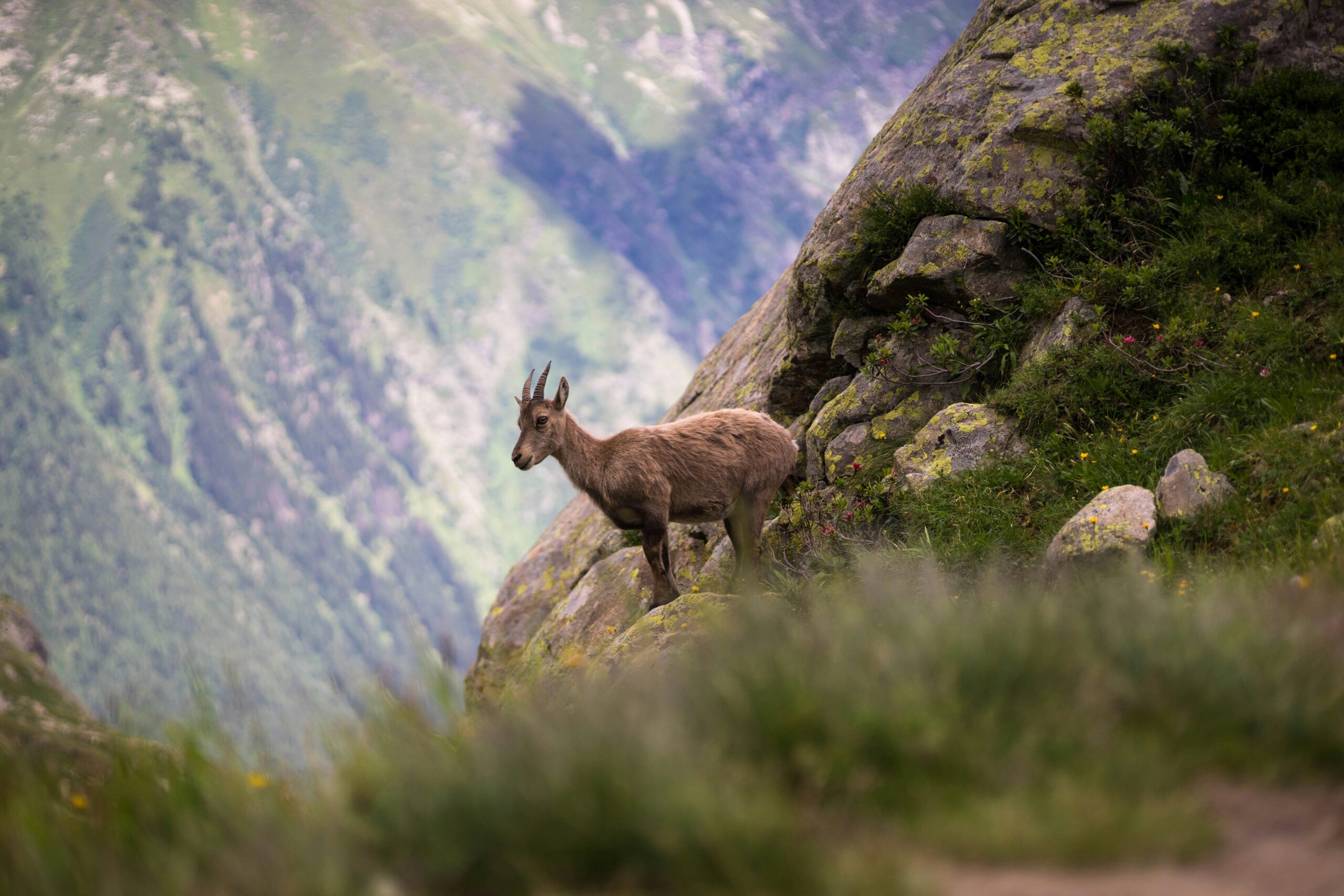
In the French Alps near the Italian border, Mercantour National Park combines alpine scenery with Mediterranean influences. It’s one of the best spots for observing wild ungulates and predators. By 2026, look out for ibex, mouflon, and wolves, which have been recolonizing the area. The park’s varied elevations create microhabitats for over 2,000 plant species, attracting botanists and wildlife enthusiasts alike.
- Key species: Alpine ibex, mouflon, gray wolf
- Best time to visit: July to August for high-altitude viewing
- Highlights: Wolf tracking expeditions, botanical gardens, historic trails
4. Gulf of Morbihan and Brittany Coast
For marine wildlife, the Gulf of Morbihan in Brittany is a top choice. This sheltered bay and its surrounding coastline are rich in marine biodiversity. By 2026, dolphin and seal watching tours are expected to expand, offering ethical encounters. The area also supports seabird colonies and intertidal species, perfect for coastal explorers.
- Key species: Bottlenose dolphin, gray seal, oystercatcher
- Best time to visit: May to September for calmer seas
- Highlights: Boat tours, tidal island visits, oyster farming insights
5. Vanoise National Park
As France’s first national park, Vanoise in the Alps is a stronghold for alpine wildlife. It connects with Italy’s Gran Paradiso National Park, forming a cross-border sanctuary. By 2026, efforts to protect species like the Alpine marmot and golden eagle will enhance viewing opportunities. The park’s glaciers and lakes add to its scenic appeal.
- Key species: Alpine marmot, golden eagle, snow finch
- Best time to visit: June to October for hiking and wildlife
- Highlights: Glacier tours, eagle spotting points, family-friendly trails
6. Loire Valley Forests and Wetlands
The Loire Valley, famous for its châteaux, also boasts extensive forests and wetlands that support diverse wildlife. By 2026, these areas will be prime spots for observing deer, wild boar, and birds like the European roller. The region’s mild climate allows for year-round exploration, with autumn being particularly vibrant for fauna.
- Key species: Red deer, wild boar, European roller
- Best time to visit: Spring and autumn for bird activity
- Highlights: Forest walks, river cruises, château gardens with wildlife
Emerging Wildlife Watching Spots for 2026
Beyond the classic destinations, several emerging spots are gaining attention for 2026. These areas benefit from recent conservation initiatives and offer less crowded experiences.
Cévennes National Park
A UNESCO World Heritage site, Cévennes National Park in southern France is known for its cultural landscape and biodiversity. By 2026, it’s set to become a hotspot for observing vultures and raptors, thanks to reintroduction programs. The park’s mix of mountains and valleys supports unique species like the genet and otter.
Normandy Coastal Reserves
Normandy’s coastal reserves, such as the Baie de Somme, are evolving into key sites for migratory birds and marine mammals. By 2026, improved infrastructure and guided tours will make these areas more accessible for wildlife watchers, with highlights including seal colonies and wading birds.
Tips for Wildlife Watching in France in 2026
To make the most of your visit to the top wildlife watching spots in France for 2026, follow these practical tips. They’ll help ensure a safe, enjoyable, and sustainable experience.
- Plan ahead: Research seasons and book tours early, as 2026 may see increased interest in eco-tourism.
- Use local guides: Experts can enhance sightings and provide insights into conservation efforts.
- Respect wildlife: Maintain a safe distance, avoid feeding animals, and follow park regulations.
- Bring appropriate gear: Binoculars, cameras, and weather-appropriate clothing are essential.
- Support conservation: Choose eco-friendly accommodations and contribute to local preservation projects.
Conclusion
France’s diverse landscapes offer unparalleled opportunities for wildlife watching, and as we approach 2026, these experiences are set to become even more rewarding. From the flamingo-filled wetlands of the Camargue to the bear-inhabited peaks of the Pyrenees, the top wildlife watching spots in France for 2026 promise encounters with some of Europe’s most fascinating species. By visiting these areas responsibly, you can contribute to conservation while creating lasting memories. Whether you’re a seasoned naturalist or a curious traveler, France’s natural treasures await—start planning your adventure today to discover what makes these spots truly special.
Photo by Harry Burk on Unsplash