
Table des matières:
Is Tap Water Safe to Drink in Barcelona? A Complete Guide
Barcelona, a vibrant city on Spain’s northeastern coast, attracts millions of visitors each year. One common question among tourists and new residents is: Is tap water safe to drink in Barcelona? The short answer is yes, but there are nuances about taste, mineral content, and local preferences that are worth exploring. This guide provides a comprehensive overview of Barcelona’s tap water quality, health considerations, and practical tips for enjoying water safely in the city.
Understanding Barcelona’s Water Sources
Barcelona’s tap water comes from two main sources: the Llobregat River and the Ter River. The water undergoes rigorous treatment processes at modern plants to meet European Union and Spanish drinking water standards. The city also uses desalination as a backup, especially during droughts. The water is treated with chlorine and other disinfectants to ensure it is free from harmful bacteria and viruses.
Water Quality Regulations
Spain follows the EU’s Drinking Water Directive, which sets strict limits on contaminants. Barcelona’s water is tested regularly for over 50 parameters, including bacteria, heavy metals, nitrates, and pesticides. The results are publicly available and consistently show compliance with safety standards. According to the Barcelona Water Cycle agency, tap water is safe for all uses, including drinking and cooking.
Is Tap Water Safe to Drink in Barcelona? Health Perspectives
From a health standpoint, tap water in Barcelona is safe to drink. The water is free from pathogens and chemical pollutants that could cause immediate illness. However, some people may experience minor issues due to the water’s mineral composition or chlorine taste.
Mineral Content and Hardness
Barcelona’s water is moderately hard, meaning it contains higher levels of calcium and magnesium. This is not harmful and may even contribute to dietary mineral intake. However, the hardness can cause scale buildup in kettles and appliances. For most healthy adults, the mineral content poses no risk.
Chlorine and Taste
Chlorine is added as a disinfectant, and while it ensures safety, it can give the water a slight chemical taste or smell. This is more noticeable when the water is warm or has been sitting in pipes. Letting water sit in the fridge for a few minutes or using a filter can improve the taste.
Potential Concerns and How to Address Them
While the water is safe, there are a few considerations for sensitive groups and those who prefer better taste.
Lead and Old Pipes
Some older buildings in Barcelona may have lead pipes or lead solder, which can leach into the water. The city has been replacing lead pipes, but if you live in an older apartment, letting the water run for a minute before drinking can reduce exposure. Using a certified lead-removing filter is another option.
Microplastics
Like many urban water supplies, Barcelona’s tap water may contain trace amounts of microplastics. While research on health effects is ongoing, the levels are considered low. Using a carbon filter can reduce microplastics and improve taste.
Bottled Water vs. Tap Water
Many locals and tourists opt for bottled water due to taste preferences. However, bottled water is not necessarily safer and has a significant environmental impact. Choosing tap water reduces plastic waste and is more sustainable.
Practical Tips for Drinking Tap Water in Barcelona
Here are some actionable tips to enjoy tap water in Barcelona:
- Let it run: If you haven’t used the tap for a few hours, let the water run for 30 seconds to flush any stagnant water from pipes.
- Chill it: Store tap water in a pitcher in the fridge to reduce chlorine taste.
- Use a filter: A simple activated carbon filter (like Brita or a faucet attachment) can improve taste and reduce impurities.
- Boil if needed: While not necessary, boiling water will kill any potential pathogens and reduce chlorine. Let it cool before drinking.
- Ask for tap water at restaurants: By law, restaurants in Catalonia must provide free tap water upon request (though some may charge a small fee for service).
Tap Water for Cooking and Coffee
Using tap water for cooking is perfectly safe. For coffee or tea, the mineral content can affect flavor. Many coffee enthusiasts prefer filtered water for brewing to avoid scale and off-tastes. If you notice a strong chlorine taste, letting the water sit for a few minutes before boiling can help.
Environmental and Economic Benefits
Choosing tap water over bottled water reduces plastic waste and carbon emissions from transportation. Barcelona has public drinking fountains (called fonts) where you can refill bottles for free. The city also encourages the use of reusable bottles.
Conclusion: Is Tap Water Safe to Drink in Barcelona?
To sum up, tap water in Barcelona is safe to drink for the vast majority of people. It meets strict EU quality standards and is free from harmful contaminants. While taste and hardness may be minor drawbacks, these can be easily addressed with simple solutions like filtering or chilling. By choosing tap water, you not only stay hydrated but also contribute to a more sustainable environment. So next time you’re in Barcelona, fill up your reusable bottle from the tap and enjoy the city with confidence.
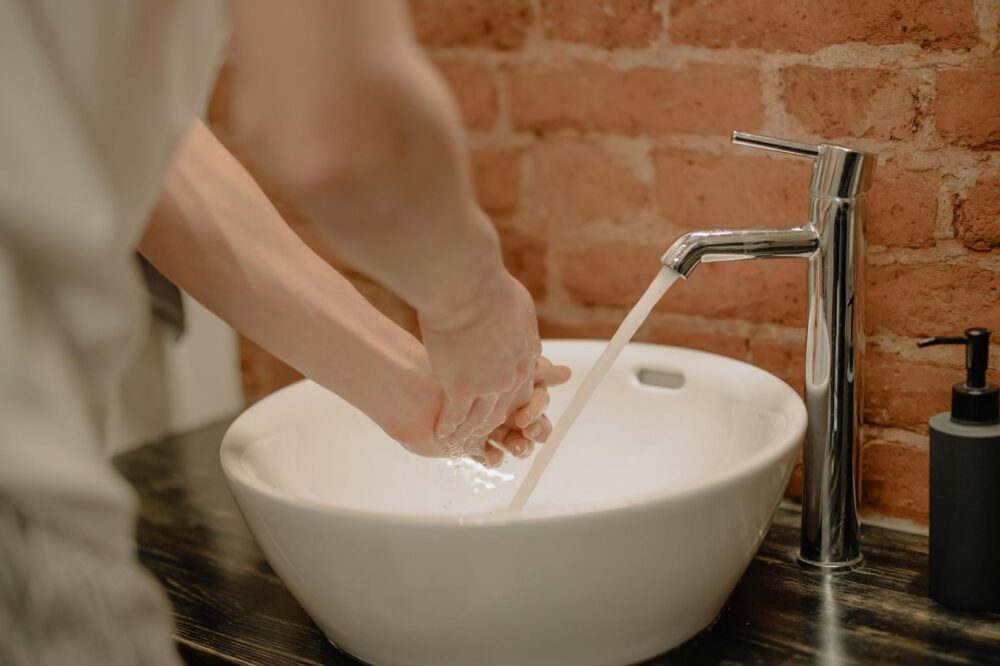
Photo by cottonbro studio on Pexels

I’m planning a trip to Barcelona and was wondering if I can drink tap water there. Thanks for the info!
Yes, tap water in Barcelona is safe to drink. It meets EU standards and is regularly tested. If you’re sensitive to the taste of chlorine, letting it sit in the fridge or using a filter can help.
I’ve heard that the water in Barcelona tastes a bit off. Is it just me?
It’s not just you! Many people notice a slight chlorine taste or smell, especially if the water has been sitting in pipes. Chilling the water or using a carbon filter can improve the taste significantly.
What about old buildings with lead pipes? Should I be concerned?
If you’re staying in an older building, it’s a good idea to let the water run for a minute before drinking to flush any potential lead from pipes. You can also use a certified lead-removing filter for extra peace of mind.
Can I ask for tap water at restaurants in Barcelona?
Yes! In Catalonia, restaurants are required by law to provide free tap water upon request. Some may charge a small service fee, but it’s generally available.
Is the tap water safe for making coffee? I’m a coffee snob.
Absolutely safe, but the mineral content can affect flavor. Many coffee lovers prefer filtered water to avoid scale and off-tastes. Letting the water sit for a few minutes before boiling can also reduce chlorine.
I’m worried about microplastics in tap water. Should I switch to bottled?
While trace microplastics have been found in Barcelona’s tap water, levels are low and not considered a health risk. Using a carbon filter can reduce them, and tap water is far more sustainable than bottled water.