

Table des matières:
Introduction
If you’re planning a trip to London, one of the first practical questions you’ll ask is, what is the currency used in London? The answer is simple: the official currency is the British Pound Sterling (GBP), often symbolized as £. However, navigating payments in a bustling global city like London involves more than just knowing the name of the currency. From exchange rates to where to get the best deals, this guide covers everything you need to know about the currency used in London.
What Is the Currency Used in London?
The currency used in London is the British Pound Sterling (GBP), also commonly referred to as the pound. It is one of the oldest currencies still in use and is the fourth most traded currency in the foreign exchange market. The pound is subdivided into 100 pence (singular: penny), and you’ll see coins and banknotes in various denominations.
Banknotes and Coins
Understanding the physical forms of the currency used in London helps you handle transactions smoothly:
- Coins: 1p, 2p, 5p, 10p, 20p, 50p, £1, and £2. The £1 coin is 12-sided, while the £2 coin is bi-metallic.
- Banknotes: £5, £10, £20, and £50. Polymer notes are now standard, and older paper notes are being phased out.
Why the Pound Sterling?
The United Kingdom, including London, has retained the pound sterling as its currency despite being part of the European Union for many years. The UK never adopted the euro, so the currency used in London remains distinct. This decision has implications for travelers, especially regarding exchange rates and fees.
Exchange Rates and Conversion
When converting your home currency to the currency used in London, exchange rates fluctuate daily. It’s essential to check current rates before you travel. As of early 2025, typical rates are around 1 USD = 0.79 GBP, but this changes. Use reliable sources like XE.com or your bank’s rate.
Where to Exchange Currency
You have several options for obtaining the currency used in London:
- Banks and Building Societies: Offer competitive rates but may charge fees.
- Currency Exchange Bureaus: Found at airports, train stations, and tourist areas. Compare rates and watch for hidden fees.
- ATMs: Using your debit card at a local ATM often gives the best exchange rate, but check your bank’s foreign transaction fees.
- Credit Cards: Widely accepted, but dynamic currency conversion (DCC) can add extra costs. Always choose to pay in GBP.
Using Cash and Cards in London
London is a largely cashless society, but having some of the currency used in London on hand is useful for small purchases, tips, or markets.
Cash
While many places accept cards, cash is still king at some street markets, food stalls, and small shops. It’s also handy for tipping porters or housekeeping. Carry small denominations like £5 and £10 notes.
Credit and Debit Cards
Visa and Mastercard are widely accepted; American Express is less common. Contactless payments (tap-to-pay) are ubiquitous in London, even for small amounts. You can use your phone or contactless card for tube fares, restaurants, and retail.
Dynamic Currency Conversion (DCC)
When paying by card, you may be offered the option to pay in your home currency. Always decline and choose GBP instead. DCC often uses unfavorable exchange rates, costing you more.
Tips for Managing Money in London
To make the most of the currency used in London, follow these practical tips:
- Notify your bank of your travel plans to avoid card blocks.
- Use fee-free credit cards for international transactions if possible.
- Avoid airport exchanges as they typically offer poor rates.
- Keep some cash for emergencies or places that don’t accept cards.
- Check your bank’s ATM network to avoid surcharges.
Common Questions About the Currency Used in London
Can I use euros in London?
Generally, no. The currency used in London is the pound sterling. Some tourist-heavy shops may accept euros but at a poor exchange rate. Always use GBP for best value.
Are Scottish or Northern Irish banknotes accepted in London?
Yes, they are legal tender, but some London businesses may be unfamiliar with them. It’s safer to use Bank of England notes in London.
What is the best way to get pounds before my trip?
Ordering currency from your home bank or using a specialized online service like Travelex or Revolut can offer competitive rates. Alternatively, withdraw from an ATM upon arrival.
Conclusion
Now you know the answer to what is the currency used in London? It’s the British Pound Sterling (GBP). By understanding the denominations, exchange options, and payment methods, you can manage your finances confidently during your visit. Whether you’re exploring the Tower of London or enjoying a West End show, being prepared with the right currency will make your trip smoother. Remember to compare rates, avoid DCC, and carry a mix of cash and cards. Enjoy your time in London!
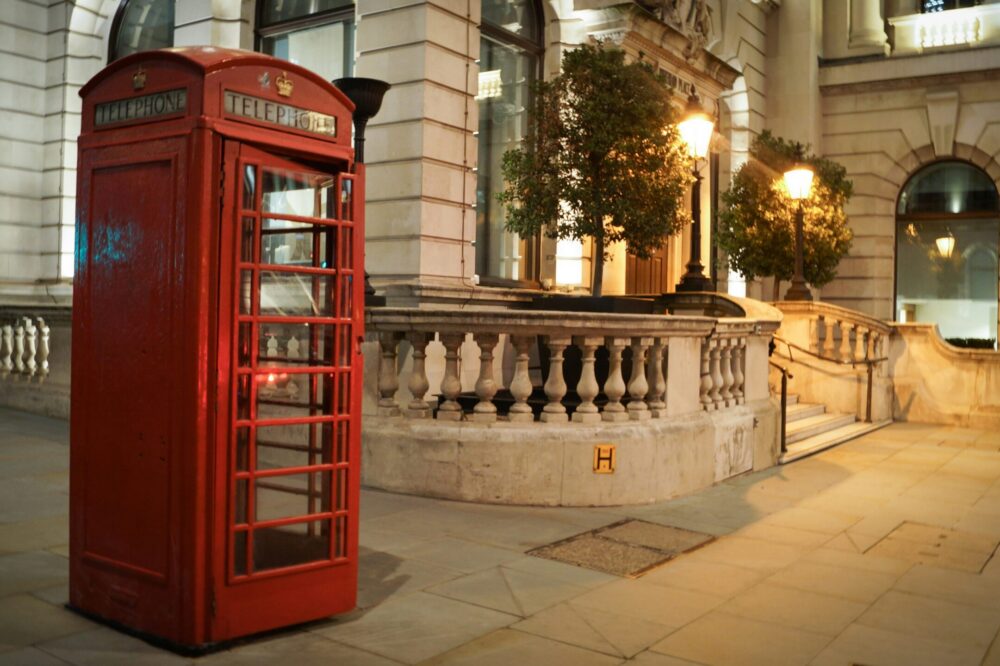
Photo by nattanan23 on Pixabay



I’m traveling to London next month. Can I use my US dollars there or do I need to exchange them for pounds?
You’ll need to exchange your US dollars for British Pounds (GBP) since dollars aren’t accepted in London. For the best rates, consider using an ATM upon arrival or ordering currency from your bank before you go.
Is it true that contactless cards are widely used in London? I prefer using cash.
Yes, contactless payments are extremely common in London, even for small amounts like a coffee. However, having some cash is still useful for street markets, small shops, and tips. It’s a good idea to carry a mix of both.
What about Scottish banknotes? Will I have trouble using them in London?
Scottish banknotes are legal tender in the UK, but some London businesses may be unfamiliar with them and might refuse them. It’s safer to use Bank of England notes in London to avoid any issues.
Should I exchange money at the airport in London or wait until I get to the city?
It’s generally best to avoid airport exchange bureaus because they often offer poor rates and high fees. Instead, wait until you’re in the city and use a bank ATM or a reputable currency exchange bureau for better deals.
Can I use euros in London? I have some left from a trip to France.
Euros are not accepted in London. The official currency is the British Pound. Some tourist shops might accept euros but at a very unfavorable exchange rate. It’s better to exchange your euros for pounds before or during your trip.
What is dynamic currency conversion and why should I avoid it?
Dynamic currency conversion (DCC) is when you’re offered to pay in your home currency instead of GBP when using a card. It often uses a poor exchange rate, costing you more. Always choose to pay in GBP to avoid extra fees.
Are there any fees for using my US credit card at ATMs in London?
Yes, your bank may charge a foreign transaction fee (typically 1-3%) and the ATM operator might have a surcharge. Check with your bank before traveling and consider using a fee-free credit card for international withdrawals to minimize costs.