Table des matières:
How Many Days Do You Need to See the Main Attractions in Rome? An Essential Guide
Rome, the Eternal City, is a treasure trove of ancient history, stunning art, and vibrant culture. With iconic sites like the Colosseum, Vatican Museums, and Trevi Fountain, planning your visit can feel overwhelming. A common question among travelers is: how many days do you need to see the main attractions in Rome? The answer depends on your pace, interests, and budget, but this guide provides detailed itineraries to help you make the most of your time. Whether you’re on a quick getaway or an extended stay, understanding the key sights and their logistics ensures a memorable experience without missing the highlights.
Understanding Rome’s Main Attractions
Before diving into timelines, it’s crucial to define what constitutes the main attractions in Rome. These are the must-see landmarks that draw millions of visitors annually, offering glimpses into the city’s rich past and artistic legacy. From ancient ruins to Renaissance masterpieces, Rome’s top sites are spread across different neighborhoods, each with its own charm and historical significance. Knowing these attractions helps in planning how many days you need to see them efficiently.
Key Ancient Roman Sites
Rome’s ancient heritage is unparalleled, with structures that have stood for millennia. These sites often require significant time due to their size and crowds.
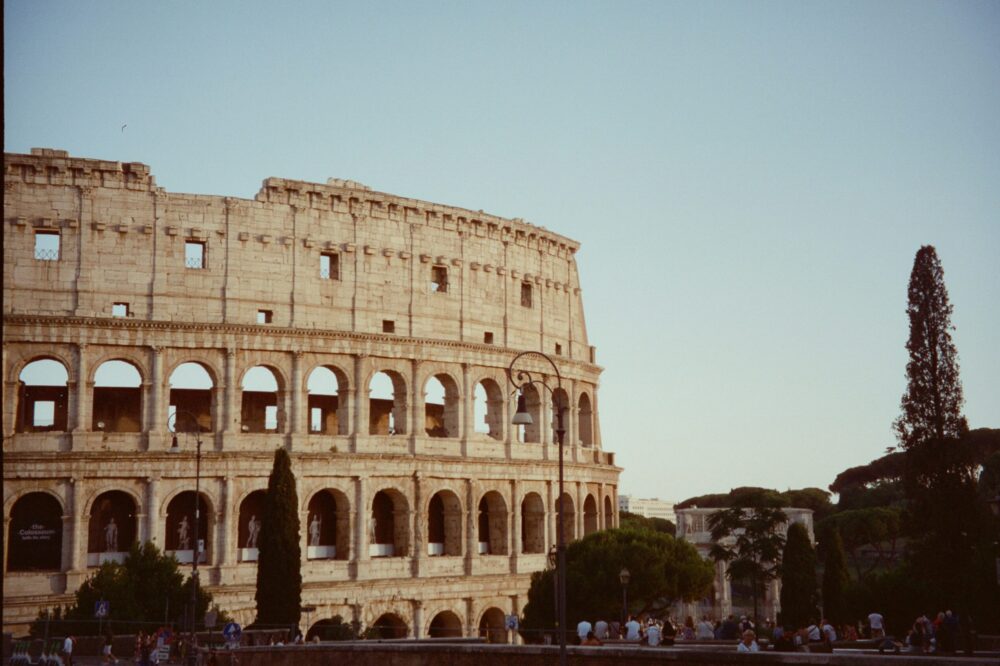
- Colosseum: The iconic amphitheater where gladiators once battled. Allow 2-3 hours for a tour, including the Roman Forum and Palatine Hill nearby.
- Roman Forum: The heart of ancient Rome, with ruins of temples and government buildings. Plan for 1-2 hours to explore.
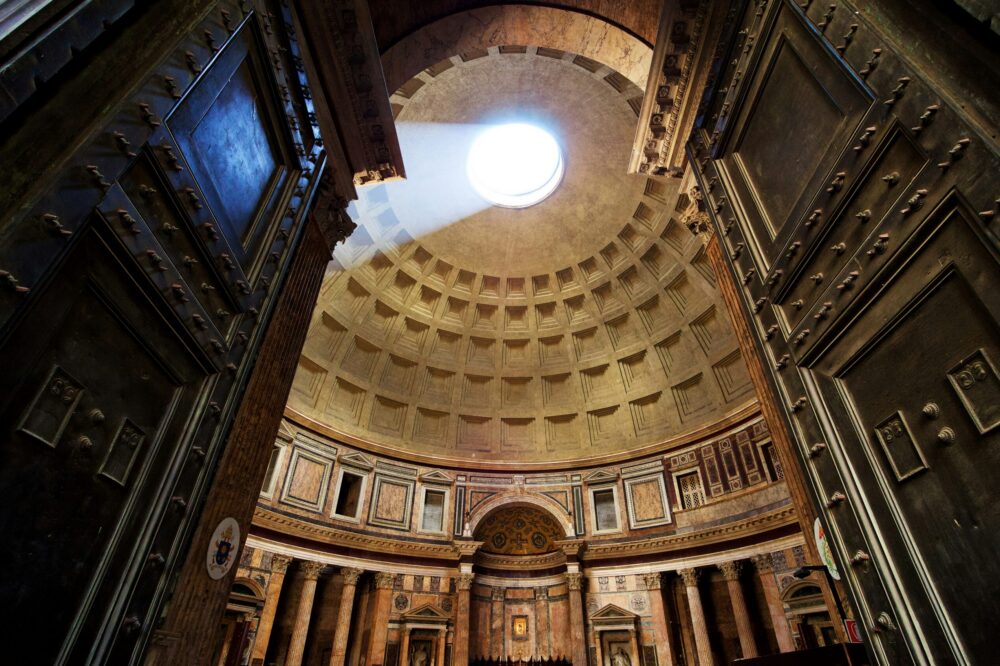
- Pantheon: A well-preserved Roman temple with a stunning dome. A quick visit takes about 30 minutes, but it’s often crowded.
Vatican City Highlights
As an independent city-state within Rome, Vatican City houses some of the world’s most famous art and religious sites.
- St. Peter’s Basilica: The largest church in the world, with Michelangelo’s Pietà. Budget 1-2 hours, plus time for climbing the dome.
- Vatican Museums: Home to the Sistine Chapel and countless artworks. A thorough visit requires 3-4 hours, with advance booking recommended.
Other Iconic Attractions
Beyond ancient and Vatican sites, Rome boasts other essential stops that enrich your visit.
- Trevi Fountain: A Baroque masterpiece where tossing a coin ensures a return to Rome. Visit early or late to avoid crowds; 15-30 minutes is sufficient.
- Spanish Steps: A popular gathering spot with scenic views. Allow 20-30 minutes for photos and relaxation.
- Piazza Navona: A lively square with fountains and cafes. Spend 30 minutes to an hour soaking in the atmosphere.
How Many Days Do You Need? Detailed Itineraries
Based on the main attractions listed, here are tailored itineraries to answer how many days you need to see the main attractions in Rome. These plans balance sightseeing with practical considerations like travel time and rest.
1-Day Rome Itinerary: A Whirlwind Tour
If you only have one day, focus on the absolute essentials. This fast-paced schedule covers top sites but requires early starts and efficient planning.
- Morning: Visit the Colosseum, Roman Forum, and Palatine Hill (book tickets in advance to skip lines).
- Afternoon: Explore the Pantheon and Trevi Fountain, with a quick lunch in between.
- Evening: Stroll to the Spanish Steps and enjoy dinner in a local trattoria.
While one day gives a taste, it’s rushed and may leave you wanting more. For a deeper experience, consider extending your stay.
3-Day Rome Itinerary: The Ideal Minimum
For most travelers, three days is the sweet spot to see the main attractions in Rome without feeling overwhelmed. This allows time for key sites and some relaxation.
- Day 1: Ancient Rome – Colosseum, Roman Forum, Palatine Hill, and Capitoline Museums.
- Day 2: Vatican City – Vatican Museums, Sistine Chapel, and St. Peter’s Basilica.
- Day 3: Historic Center – Pantheon, Trevi Fountain, Spanish Steps, and Piazza Navona.
With three days, you can appreciate each attraction more fully and include breaks for Italian coffee or gelato.
5-Day Rome Itinerary: A Comprehensive Experience
If time permits, five days offer a leisurely pace to see the main attractions in Rome and explore hidden gems. This reduces stress and enhances enjoyment.
- Days 1-3: Follow the 3-day itinerary above.
- Day 4: Visit lesser-known sites like the Borghese Gallery or Appian Way.
- Day 5: Take a day trip to nearby Tivoli or Ostia Antica, or revisit favorite spots.
Five days provide flexibility, allowing you to immerse yourself in Rome’s culture and cuisine.
Factors Influencing How Many Days You Need
Beyond itineraries, several factors affect how many days you need to see the main attractions in Rome. Consider these to personalize your plan.
Travel Pace and Interests
Your preferred style of travel plays a key role. History buffs might spend extra hours at archaeological sites, while art lovers could linger in museums. A fast-paced traveler might cover more in fewer days, but a relaxed approach ensures better appreciation. Assess your priorities to determine the ideal duration.
Season and Crowds
Rome’s peak seasons (spring and summer) bring larger crowds, which can slow down visits. In busy periods, you may need more days to accommodate longer lines and booked tours. Off-season travel (fall or winter) often allows for quicker access, potentially reducing the number of days needed.
Logistics and Accommodation
Where you stay in Rome impacts travel time between attractions. Central locations save hours, while outskirts require more transit. Additionally, booking tickets in advance for popular sites like the Colosseum or Vatican Museums can streamline your schedule, affecting how many days you need.
Tips for Maximizing Your Time in Rome
To make the most of your visit, regardless of how many days you have, follow these practical tips. They help optimize your itinerary and enhance your experience of Rome’s main attractions.
- Book Tickets Early: Reserve online for major sites to avoid long queues and secure time slots.
- Use Public Transport: Rome’s metro and buses are efficient for getting between distant attractions like the Colosseum and Vatican.
- Start Early: Begin your days at opening times to beat crowds and enjoy cooler temperatures.
- Take Breaks: Schedule downtime at cafes or parks to avoid burnout, especially on multi-day trips.
- Consider Guided Tours: For in-depth insights, join tours that cover multiple attractions efficiently.
Conclusion: How Many Days Do You Need to See the Main Attractions in Rome?
In summary, how many days you need to see the main attractions in Rome varies based on your preferences and constraints. For a quick overview, one day is possible but intense. Three days is ideal for covering the essentials at a comfortable pace, while five days allows for a richer, more relaxed exploration. By planning ahead with the itineraries and tips provided, you can tailor your visit to match your interests and time frame. Remember, Rome is a city to savor—whether you’re marveling at ancient ruins or tossing a coin into the Trevi Fountain, each moment adds to the unforgettable experience of the Eternal City. Start planning your trip today to discover the magic of Rome’s main attractions!
Photo by Krišjānis Kazaks on Unsplash