Table des matières:
Introduction: Navigating Medical Emergencies in Rome as a Tourist
Traveling to Rome offers an unforgettable experience with its rich history, stunning architecture, and vibrant culture. However, unexpected situations like health emergencies can arise, making it crucial to know how to handle emergencies or find medical help as a tourist in Rome. Being prepared can ensure your safety and peace of mind, allowing you to enjoy your trip without unnecessary stress. This comprehensive guide provides clear, professional advice on accessing medical services, understanding the Italian healthcare system, and taking preventive measures. Whether you face a minor injury or a serious health issue, this information will help you respond effectively and efficiently.
Understanding the Italian Healthcare System for Tourists
Italy has a well-developed healthcare system, with both public and private options available. As a tourist, you can access emergency services regardless of your nationality or insurance status, but knowing the basics can streamline the process. The public system, Servizio Sanitario Nazionale (SSN), provides free or low-cost emergency care, while private facilities often offer faster service for non-urgent issues. It’s important to note that while emergency treatment is accessible, follow-up care or prescriptions may require payment or insurance coverage. Familiarizing yourself with these aspects ensures you can handle emergencies or find medical help as a tourist in Rome with confidence.
Key Differences Between Public and Private Healthcare
Public hospitals in Rome, such as Policlinico Umberto I, are equipped for emergencies and are generally free for urgent cases. Private clinics, like Salvator Mundi International Hospital, may have shorter wait times and English-speaking staff, but they often charge higher fees. For minor issues, consider visiting a pharmacy first, as pharmacists in Italy can provide advice and over-the-counter medications. Understanding these options helps you make informed decisions during a medical situation.
Emergency Numbers and Immediate Steps to Take
In any emergency, quick action is essential. Rome has specific numbers for different types of emergencies, and knowing them can save valuable time. The universal European emergency number, 112, connects you to police, fire, and medical services, and operators often speak English. For medical emergencies specifically, dial 118 to reach an ambulance. When calling, provide clear details about your location, the nature of the emergency, and any relevant medical information. This proactive approach is key to handling emergencies or finding medical help as a tourist in Rome effectively.
- 112: General emergency number for all services (police, fire, medical).
- 118: Direct line for medical emergencies and ambulances.
- 113: Police assistance (Carabinieri).
- 115: Fire department.
After calling, stay calm and follow the operator’s instructions. If you’re in a public place, ask for help from locals or staff, as many Romans are helpful in such situations. Keep your passport and insurance documents handy, as they may be required at medical facilities.
Finding Hospitals and Medical Facilities in Rome
Rome has numerous hospitals and clinics spread across the city, catering to both residents and tourists. For emergencies, head to the nearest Pronto Soccorso (Emergency Room) at a public hospital. Some of the major hospitals include Policlinico Umberto I, Ospedale San Giovanni, and Ospedale Santo Spirito. These facilities are well-equipped to handle a range of medical issues, from injuries to illnesses. If you prefer private care, options like Gemelli Hospital and American Hospital of Rome offer high-quality services, often with multilingual staff. Knowing these locations in advance can expedite the process of handling emergencies or finding medical help as a tourist in Rome.
Tips for Visiting Hospitals in Rome
When visiting a hospital, bring identification, insurance details, and any relevant medical records. Be prepared for potential language barriers; while staff in larger hospitals may speak English, it’s helpful to learn basic Italian phrases or use a translation app. Wait times can vary, especially in public emergency rooms during peak hours, so patience is advised. For non-urgent care, consider making an appointment at a private clinic to avoid long waits.
Accessing Pharmacies and Over-the-Counter Medications
Pharmacies (farmacie) in Rome are a valuable resource for minor health issues. They are easily identifiable by a green cross sign and are staffed by trained pharmacists who can offer advice and dispense medications without a prescription for common ailments like headaches, colds, or allergies. Many pharmacies in tourist areas, such as near the Colosseum or Vatican, have English-speaking staff. It’s useful to know that pharmacies operate on a rotation system for after-hours service; look for a list posted on the door indicating the nearest open farmacia. This knowledge supports your ability to handle emergencies or find medical help as a tourist in Rome for less severe cases.
- Common over-the-counter items: pain relievers, antihistamines, digestive aids.
- Pharmacy hours: Typically 8:30 AM to 7:30 PM, with some closed on Sundays.
- After-hours: Check for farmacie di turno (on-duty pharmacies) for night and weekend service.
If you require prescription medications, bring a copy of your prescription and a doctor’s note to facilitate the process at Italian pharmacies.
Travel Insurance and Financial Considerations
Having comprehensive travel insurance is highly recommended when visiting Rome, as it can cover medical expenses, emergency evacuations, and other unforeseen costs. Before your trip, review your policy to understand what is included, such as coverage for hospital stays, medications, and repatriation. In an emergency, you may need to pay upfront at private facilities or for certain services, so keep a credit card or cash available. The European Health Insurance Card (EHIC) or its successor, the UK Global Health Insurance Card (GHIC), provides access to state healthcare for EU and UK citizens, but it may not cover all costs. Planning financially ensures you can handle emergencies or find medical help as a tourist in Rome without added stress.
Steps to Take with Insurance
In case of a medical issue, contact your insurance provider as soon as possible to report the incident and understand the claims process. Keep all receipts and documentation from medical visits, as these will be needed for reimbursement. If you’re unsure about coverage, ask hospital staff for assistance; they often have experience dealing with international patients.
Preventive Measures and Safety Tips for Tourists
Prevention is the best strategy to avoid medical emergencies while traveling. Stay hydrated, especially during Rome’s hot summers, and protect yourself from the sun with sunscreen and hats. Be cautious with food and water to prevent stomach issues; stick to bottled water and eat at reputable establishments. Familiarize yourself with local customs and safety guidelines, such as watching for pickpockets in crowded areas like the Trevi Fountain or Spanish Steps. Carrying a basic first-aid kit with bandages, antiseptic, and personal medications can also be helpful. These proactive steps reduce the likelihood of needing to handle emergencies or find medical help as a tourist in Rome.
- Health precautions: Get recommended vaccinations before traveling.
- Safety awareness: Avoid isolated areas at night and keep valuables secure.
- Emergency contacts: Save local numbers in your phone and share your itinerary with someone back home.
By taking these measures, you can enjoy Rome’s wonders with greater confidence and security.
Conclusion: Staying Prepared and Safe in Rome
Handling emergencies or finding medical help as a tourist in Rome requires preparation and knowledge, but it doesn’t have to be daunting. By understanding the healthcare system, knowing emergency numbers, locating hospitals and pharmacies, securing travel insurance, and taking preventive measures, you can navigate any medical situation with ease. Rome is a welcoming city with robust services for visitors, so focus on enjoying your journey while staying informed. Remember, quick action and clear communication are key in emergencies. With this guide, you’re equipped to handle health issues responsibly, ensuring a safe and memorable trip to the Eternal City.
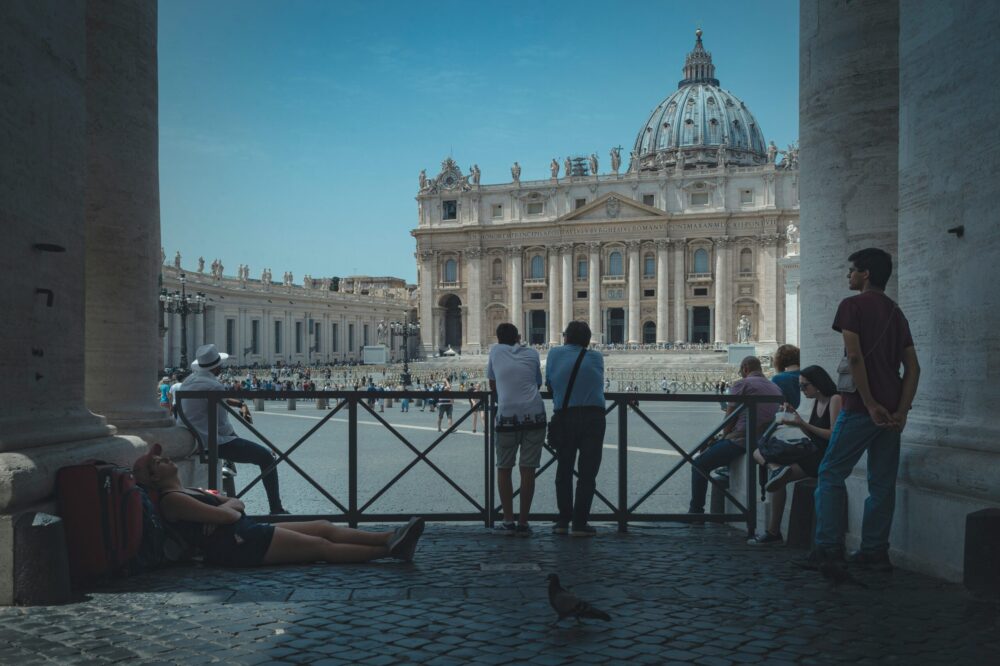
Photo by Egor Myznik on Unsplash