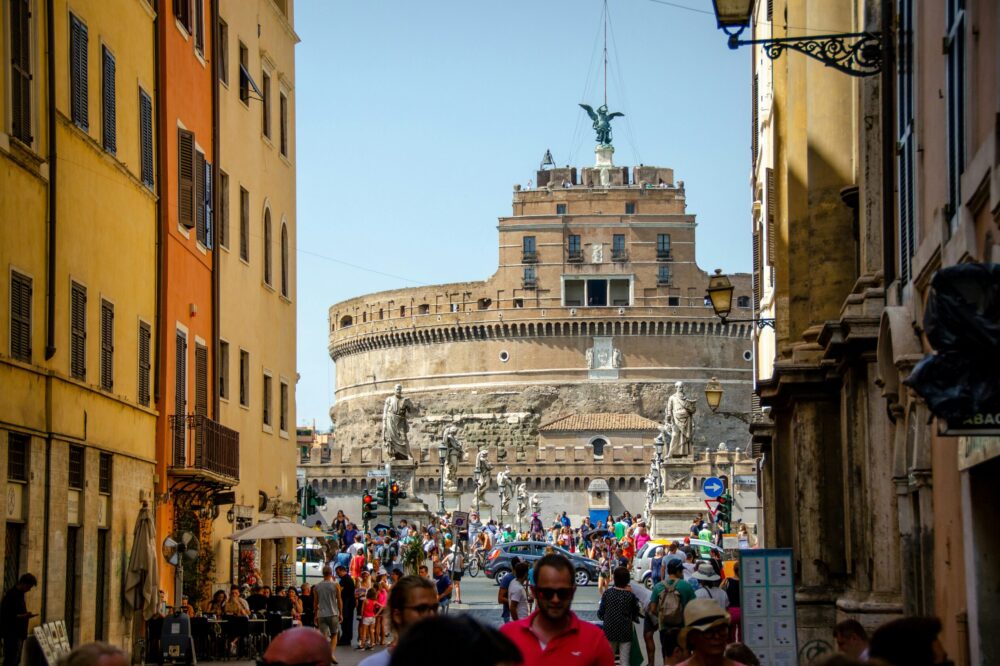
Planning a trip to Rome involves balancing two key factors: enjoying pleasant weather and avoiding overwhelming tourist crowds. Rome, with its ancient ruins, vibrant culture, and delicious cuisine, attracts millions of visitors each year. However, timing your visit can make a significant difference in your experience. In this article, we explore the best times of year to visit Rome for good weather and fewer crowds, helping you maximize your enjoyment of this historic city.
Table des matières:
Understanding Rome’s Climate and Tourist Seasons
Rome experiences a Mediterranean climate, characterized by hot, dry summers and mild, wet winters. The city’s tourist seasons align closely with these weather patterns, with peak crowds during the summer months. To find the best times to visit Rome for good weather and fewer crowds, it’s essential to consider both seasonal variations and local events that draw visitors.
Spring: A Prime Season for Pleasant Weather
Spring, from March to May, is widely regarded as one of the best times to visit Rome for good weather and fewer crowds. During these months, temperatures are mild, ranging from 10°C to 20°C (50°F to 68°F), making it ideal for exploring outdoor attractions like the Colosseum and Roman Forum.
- March: Early spring offers cooler temperatures and fewer tourists, though occasional rain is possible.
- April: Weather becomes more stable, with blooming flowers adding to the city’s charm.
- May: Warm and sunny days prevail, but crowds start to increase as summer approaches.
Visiting in spring allows you to enjoy Rome’s iconic sites without the intense heat or congestion of summer. It’s a perfect time for leisurely walks through historic neighborhoods and al fresco dining.
Fall: Ideal for Mild Weather and Cultural Events
Fall, from September to November, is another excellent period to visit Rome for good weather and fewer crowds. After the summer rush, tourist numbers decline, while temperatures remain comfortable, typically between 15°C and 25°C (59°F to 77°F).
- September: Still warm but less crowded than August, with many cultural festivals.
- October: Cooler temperatures and autumn colors create a picturesque setting.
- November: Quieter with mild weather, though rain becomes more frequent.
Fall also brings events like the Rome Film Festival, offering unique cultural experiences. This season combines pleasant weather with opportunities to engage in local traditions.
Winter: A Hidden Gem for Fewer Crowds
While winter (December to February) is cooler and wetter, it can be a great time to visit Rome for fewer crowds. Temperatures average 5°C to 15°C (41°F to 59°F), and while some days may be rainy, you’ll encounter significantly smaller lines at major attractions.
Benefits of a Winter Visit
Visiting Rome in winter allows for a more intimate experience. With fewer tourists, you can explore sites like the Vatican Museums or St. Peter’s Basilica at a relaxed pace. Additionally, winter holidays bring festive decorations and markets, adding a magical touch to the city.
- Lower accommodation prices compared to peak seasons.
- Shorter wait times at popular landmarks.
- Seasonal events such as Christmas markets and Epiphany celebrations.
If you don’t mind cooler weather, winter can be an optimal time to visit Rome for fewer crowds, offering a peaceful and budget-friendly trip.
Summer: Considerations for Weather and Crowds
Summer, from June to August, is the peak tourist season in Rome, characterized by hot weather and large crowds. Temperatures often exceed 30°C (86°F), and attractions like the Trevi Fountain can be extremely busy.
Tips for a Summer Visit
If you must visit during summer, plan strategically to manage the heat and crowds. Start your days early to beat the midday sun, and consider visiting lesser-known sites to avoid congestion. Staying hydrated and taking breaks in shaded areas are essential for comfort.
- Visit in early June to avoid the peak of summer crowds.
- Book tickets in advance for popular attractions to skip long lines.
- Explore indoor sites like museums during the hottest parts of the day.
While summer offers long daylight hours and vibrant street life, it may not be the best time to visit Rome for good weather and fewer crowds, as conditions can be challenging for some travelers.
Monthly Breakdown: When to Visit Rome
To help you decide, here’s a monthly overview of what to expect in terms of weather and crowds in Rome.
- January: Cold and quiet, ideal for crowd-free exploration.
- February: Similar to January, with occasional Carnival events.
- March: Spring begins, with mild weather and moderate crowds.
- April: Pleasant temperatures and increasing tourist numbers.
- May: Warm and sunny, but crowds grow as summer nears.
- June: Start of summer heat, with high tourist activity.
- July: Peak heat and crowds, challenging for outdoor activities.
- August: Very hot, with many locals on vacation, leading to crowded beaches.
- September: Cooling temperatures and declining crowds post-summer.
- October: Ideal fall weather and manageable tourist levels.
- November: Cooler and quieter, with more rainy days.
- December: Festive atmosphere, mild cold, and moderate crowds.
This breakdown highlights that spring and fall often provide the best balance for those seeking the best times to visit Rome for good weather and fewer crowds.
Practical Tips for Planning Your Trip
Regardless of when you visit, a few strategies can enhance your experience in Rome. Booking accommodations and tickets in advance is crucial, especially during peak seasons. Consider staying in neighborhoods outside the city center to avoid tourist hotspots and discover local gems.
- Use public transportation to navigate the city efficiently.
- Dress appropriately for the season, with layers for variable weather.
- Learn basic Italian phrases to connect with locals and enrich your visit.
By planning ahead, you can make the most of your trip, whether you’re aiming for sunny days or peaceful explorations.
Conclusion: Finding Your Perfect Time to Visit Rome
In summary, the best times to visit Rome for good weather and fewer crowds are typically during the spring (March to May) and fall (September to November) months. These seasons offer mild temperatures, manageable tourist levels, and opportunities to enjoy Rome’s attractions comfortably. Winter provides a crowd-free alternative with cooler weather, while summer, though vibrant, may be less ideal due to heat and congestion. By considering your preferences for climate and crowd size, you can choose the optimal time for your Roman adventure, ensuring a memorable and enjoyable experience in this timeless city.
Photo by Jeff Ackley on Unsplash