Paris, the City of Light, enchants visitors with its iconic landmarks, world-class cuisine, and timeless charm. Yet, the experience can vary dramatically depending on when you visit. Choosing the right time can mean the difference between enjoying the Eiffel Tower in pleasant sunshine with manageable lines or navigating packed streets in sweltering heat or chilly rain. So, what are the best times of year to visit Paris for optimal weather and fewer crowds? This comprehensive guide breaks down each season, offering insights to help you plan your perfect Parisian getaway, balancing comfortable conditions with a more relaxed atmosphere.
Table des matières:
Understanding Paris Seasons and Visitor Patterns
Paris experiences four distinct seasons, each with its own climate and tourist rhythm. The city welcomes over 30 million visitors annually, with peaks during summer and major holidays. Optimal visits often hinge on the shoulder seasons—the periods between high and low tourist times—where you can find a sweet spot of agreeable weather and reduced congestion. By analyzing monthly weather data and crowd trends, we can pinpoint the ideal windows for your trip.
Spring in Paris: A Blossoming Favorite
Spring, particularly from April to early June, is widely regarded as one of the best times to visit Paris for optimal weather and fewer crowds compared to summer. The city awakens from winter with blooming gardens, longer days, and a festive atmosphere.
Weather Conditions in Spring
Temperatures gradually rise from cool to mild. April sees averages of 8-15°C (46-59°F), while May and June warm to 11-20°C (52-68°F). Rainfall is moderate, with occasional showers that keep the city lush and vibrant. Pack layers and a light jacket for versatility.
Crowd Levels and Events
Crowds begin to increase in late spring, especially around Easter and May holidays, but remain lighter than summer peaks. Key events include:
- Cherry blossoms at Parc de Sceaux (April)
- French Open at Roland-Garros (late May-early June)
- Nuit des Musées (May), with museums open late
Visit in early April or late May to early June for a balance of good weather and manageable tourist numbers.
Summer in Paris: Peak Season Pros and Cons
Summer (June to August) offers long, sunny days but brings the highest crowds and temperatures. While not ideal for avoiding crowds, it has its perks if planned carefully.
Weather and Climate
Days are warm to hot, with July averages of 15-25°C (59-77°F), occasionally spiking above 30°C (86°F). Evenings are pleasant, and rainfall is lower, though brief thunderstorms can occur. This period provides reliable sunshine for outdoor activities.
Navigating Summer Crowds
Tourist sites like the Louvre and Notre-Dame have long queues, and accommodations are pricey. To mitigate this:
- Book tickets online in advance for major attractions
- Visit popular spots early in the morning or late afternoon
- Explore lesser-known neighborhoods like Belleville or Canal Saint-Martin
Late June or August, when some locals leave for vacation, can be slightly less hectic.
Autumn: A Golden Season for Paris Visits
Autumn, from September to November, is another top contender for the best times to visit Paris for optimal weather and fewer crowds. The summer rush subsides, and the city dons a golden hue.
Autumn Weather Patterns
September remains warm, with averages of 12-21°C (54-70°F), cooling to 6-12°C (43-54°F) by November. Crisp air and colorful foliage create a picturesque setting. Rainfall increases in late autumn, so an umbrella is advisable.
Crowd Insights and Seasonal Highlights
Post-summer, tourist numbers drop significantly, except during late September fashion weeks. October and November are particularly quiet, offering serene museum visits and café moments. Notable events include:
- Grape harvest festivals in Montmartre (October)
- Nuit Blanche, an all-night arts festival (October)
- Beaujolais Nouveau release (November)
Mid-September to October provides an excellent mix of mild weather and reduced crowds.
Winter in Paris: A Cozy, Crowd-Free Alternative
Winter (December to February) sees the fewest tourists, making it ideal for those prioritizing fewer crowds, though weather is colder. It’s a magical time with festive decorations.
Winter Climate Considerations
Temperatures range from 2-7°C (36-45°F), with occasional frost or light snow. Days are shorter, but indoor attractions like museums and galleries shine. Pack warm clothing, including a coat, scarf, and gloves.
Advantages of a Winter Visit
With minimal queues, you can explore landmarks like the Musée d’Orsay or Sainte-Chapelle at leisure. Holiday markets in December add charm, though avoid Christmas and New Year’s for lower prices and crowds. January and February are the quietest months, perfect for a peaceful retreat.
Monthly Breakdown: When to Visit Paris
For a detailed view, here’s a quick monthly guide to help decide what are the best times of year to visit Paris for optimal weather and fewer crowds based on your preferences:
- January-February: Coldest months, fewest crowds, budget-friendly.
- March: Transitional weather, moderate crowds, early blossoms.
- April-May: Mild weather, growing crowds, ideal for gardens.
- June: Warm start to summer, crowds increasing, long days.
- July-August: Hottest and busiest, festive atmosphere, book ahead.
- September-October: Pleasant weather, declining crowds, golden scenery.
- November: Cooler, quiet, cultural events.
- December: Festive but crowded early month, colder weather.
Tips for Enjoying Paris Year-Round
Regardless of when you visit, these strategies enhance your experience in Paris:
- Use public transport like the Metro to avoid traffic.
- Dine at local bistros during off-peak hours for authentic meals.
- Check museum opening times, as some close on Mondays or Tuesdays.
- Learn basic French phrases to connect with residents.
By aligning your trip with shoulder seasons, you’ll maximize comfort and immersion.
Conclusion: Planning Your Perfect Paris Trip
Determining the best times of year to visit Paris for optimal weather and fewer crowds depends on your priorities. For an ideal balance, aim for the shoulder seasons: April to early June and September to October. These periods offer mild temperatures, vibrant scenery, and manageable tourist numbers, allowing you to savor Paris’s delights without the stress of peak crowds. Whether you prefer spring blossoms, autumn colors, or a cozy winter escape, Paris welcomes you with open arms year-round. Plan ahead, pack appropriately, and get ready to fall in love with the City of Light at its finest.
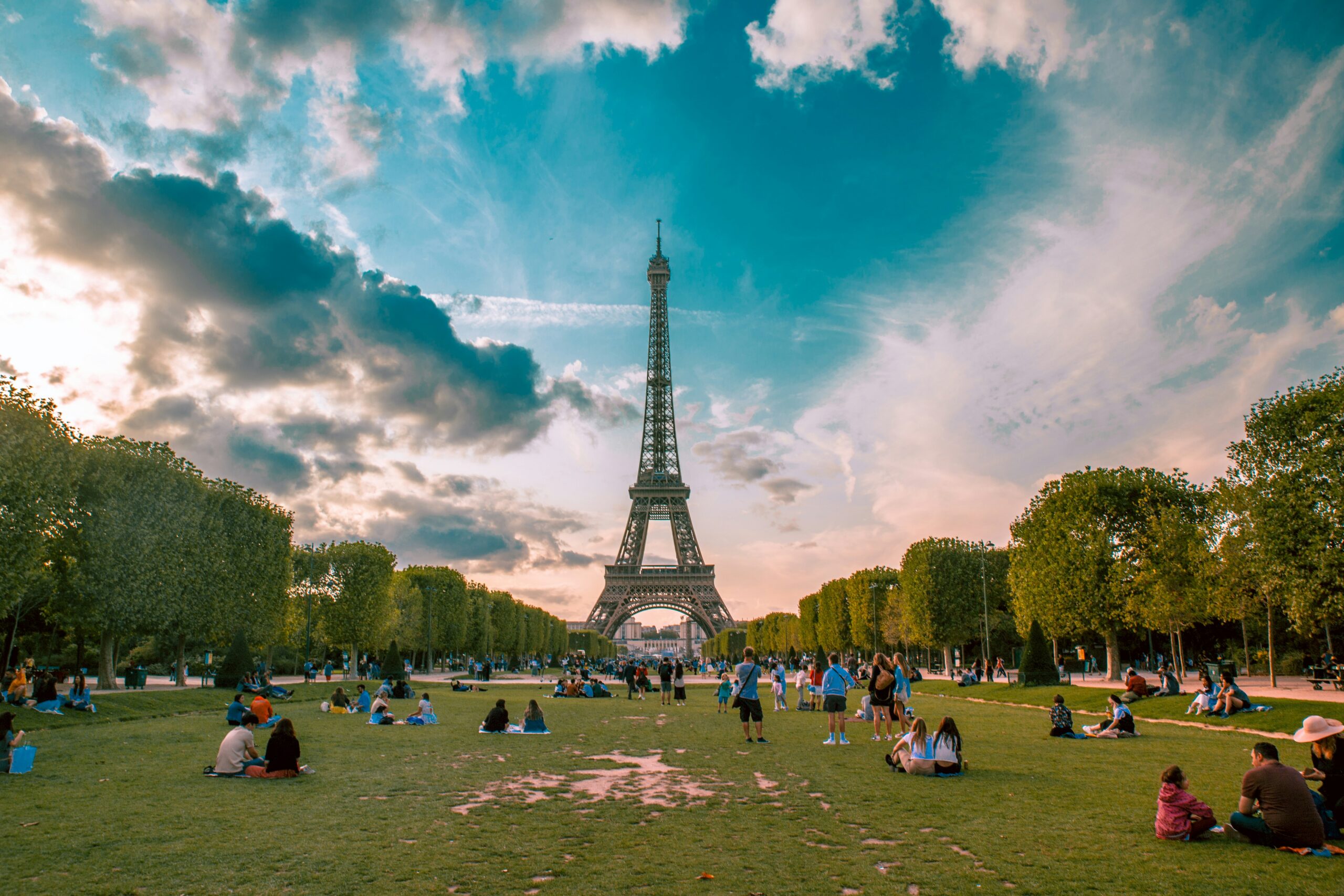
Photo by Il Vagabiondo on Unsplash