Table des matières:
Introduction: Navigating Barcelona with Ease
Barcelona, a vibrant city known for its stunning architecture, rich culture, and bustling streets, can be overwhelming for visitors trying to explore its many attractions. With so much to see and do, finding the best way to get around Barcelona using public transportation is key to a smooth and enjoyable trip. This comprehensive guide will walk you through the city’s efficient public transit system, helping you save time and money while experiencing all that Barcelona has to offer. Whether you’re a first-time visitor or a seasoned traveler, understanding the options available will enhance your journey through this beautiful Mediterranean metropolis.
Understanding Barcelona’s Public Transportation Network
Barcelona boasts an extensive and well-integrated public transportation system managed by the Autoritat del Transport Metropolità (ATM). This network includes the metro, buses, trams, and regional trains, all designed to connect the city and its suburbs seamlessly. For tourists and residents alike, this system provides a reliable and affordable means of travel, making it the best way to get around Barcelona using public transportation. The key to success lies in knowing how each mode works and how they complement each other.
The Barcelona Metro: Fast and Efficient
The Barcelona Metro is often considered the backbone of the city’s public transit. With 12 lines covering over 160 stations, it offers quick access to major landmarks, neighborhoods, and transport hubs. Operating from early morning until midnight (with extended hours on weekends), the metro is ideal for avoiding traffic and covering long distances in a short time. For example, Line 3 (the Green Line) connects popular areas like Plaça d’Espanya and Passeig de Gràcia, while Line 4 (the Yellow Line) serves the beachfront and Barceloneta. When planning your route, the metro is a top choice for efficiency, especially during peak hours.
Buses: Flexible and Scenic Routes
While the metro is fast, Barcelona’s bus network provides flexibility and scenic views that enhance your travel experience. With over 100 lines, buses reach areas not covered by the metro, such as Park Güell or Montjuïc Hill. They operate from around 5:00 AM to 10:00 PM, with night buses (Nitbus) available for late-night travel. Buses are particularly useful for short hops or when you want to see the city above ground. For instance, Bus 24 offers a picturesque ride through the Gothic Quarter, making it a great option for sightseeing. Combining buses with the metro can optimize your itinerary, ensuring you don’t miss any hidden gems.
Trams and Regional Trains: Complementary Options
In addition to the metro and buses, Barcelona features modern trams and regional trains that expand your mobility. The tram system, known as Trambaix and Trambesòs, serves the outskirts and newer districts, offering a smooth ride with fewer crowds. Regional trains, operated by Rodalies de Catalunya and FGC, connect Barcelona to nearby towns like Sitges or Montserrat, perfect for day trips. These options are especially valuable if you’re staying in suburban areas or planning to explore beyond the city center. Integrating them into your travel plans can make your journey more comprehensive and stress-free.
Choosing the Right Tickets and Passes
To make the most of Barcelona’s public transportation, selecting the appropriate ticket or pass is crucial. The system uses a unified fare structure, allowing you to use the same ticket across metro, buses, trams, and trains within designated zones. Here are the main options to consider:
- Single Ticket (Bitllet Senzill): Costs around €2.40 and is valid for one journey on any mode within 75 minutes. Best for occasional trips.
- T-Casual Card: A 10-ride card priced at approximately €11.35, offering savings for frequent travelers. It can be shared among multiple people.
- Hola BCN! Travel Card: An unlimited travel pass for 2 to 5 days, ranging from €15 to €34. Ideal for tourists who plan extensive use of public transport.
- T-Familiar Card: Designed for groups or families, this card provides 70 journeys at a discounted rate, perfect for longer stays.
For most visitors, the Hola BCN! card or T-Casual card represents the best way to get around Barcelona using public transportation, as they offer convenience and cost-effectiveness. Remember to validate your ticket at the start of each journey to avoid fines.
Tips for Efficient Travel in Barcelona
Maximizing your experience with Barcelona’s public transportation involves more than just knowing the routes and tickets. Here are some practical tips to ensure smooth travel:
- Use Mobile Apps: Download apps like TMB App or Google Maps for real-time schedules, route planning, and service updates. They help you navigate the system with ease.
- Avoid Peak Hours: Rush hours (7:00-9:00 AM and 5:00-8:00 PM) can be crowded. Plan your trips outside these times for a more comfortable ride.
- Mind the Pickpockets: As in any major city, stay vigilant in crowded stations and vehicles. Keep your belongings secure and avoid displaying valuables.
- Combine Walking with Transit: Barcelona is a walkable city, especially in central areas like Las Ramblas. Use public transportation for longer distances and walk to explore nearby attractions.
- Check for Special Events: During festivals or holidays, schedules may change. Verify timetables in advance to avoid disruptions.
By following these tips, you’ll find that public transportation is not only the best way to get around Barcelona but also a safe and enjoyable part of your visit.
Comparing Public Transportation to Other Options
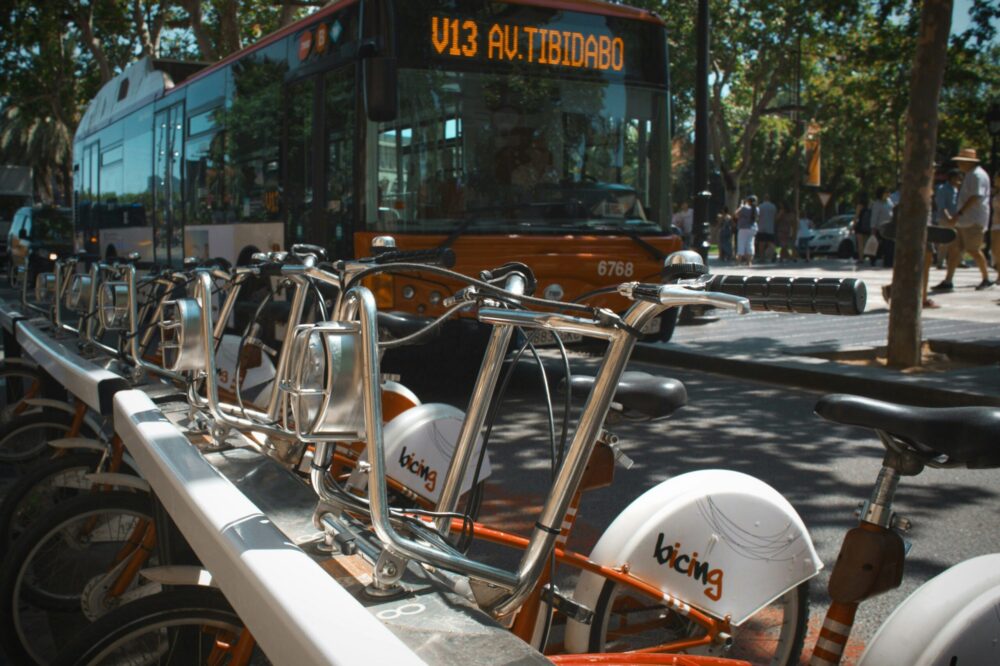
While public transportation is highly recommended, it’s worth considering how it stacks up against alternatives like taxis, ride-sharing, or biking. Taxis and services like Uber offer door-to-door convenience but can be expensive, especially for frequent trips. Biking is eco-friendly and great for short distances, with bike-sharing programs available, but it may not suit all weather conditions or routes. In contrast, public transportation in Barcelona provides a balanced mix of affordability, coverage, and reliability. For most travelers, especially those on a budget or looking to reduce their carbon footprint, it remains the optimal choice. Integrating a taxi for late-night rides or a bike for leisurely exploration can complement your transit strategy, but for core travel, sticking to the metro and buses is wise.
Conclusion: Embracing Barcelona’s Transit System
In summary, the best way to get around Barcelona using public transportation is to leverage its integrated network of metro, buses, trams, and trains. With careful planning, the right ticket, and a few smart tips, you can navigate the city efficiently and affordably. This approach not only saves you time and money but also immerses you in the local rhythm of Barcelona. Whether you’re visiting iconic sites like Sagrada Família or discovering hidden corners, public transport offers a reliable and sustainable way to experience everything. So, on your next trip, embrace the system—it’s your ticket to unlocking the wonders of this captivating city with ease and confidence.