Table des matières:
How to Experience French Maritime Heritage in 2026: A Complete Guide to Coastal Culture and History
France’s maritime heritage is a rich tapestry woven from centuries of seafaring, trade, exploration, and coastal life. From the rugged cliffs of Brittany to the sun-drenched ports of the Mediterranean, this legacy offers travelers a unique window into the nation’s history and culture. In 2026, a year poised to celebrate this heritage through special events and anniversaries, there has never been a better time to immerse yourself in France’s nautical past and present. This guide will show you how to experience French maritime heritage in 2026, blending historical insights with practical tips for an unforgettable journey. Whether you’re a history buff, a sailing enthusiast, or simply seeking coastal charm, you’ll find ways to connect with the sea’s enduring influence on French identity.
Understanding French Maritime Heritage
French maritime heritage encompasses more than just ships and sailors; it includes lighthouses, fishing villages, naval architecture, maritime trade routes, and the cultural traditions of coastal communities. This heritage dates back to ancient times, with evidence of Phoenician and Roman influences, and flourished during the Age of Exploration and the colonial era. Key figures like Jacques Cartier, who explored Canada, and the development of ports like Marseille and Le Havre highlight France’s global maritime reach. In 2026, this legacy is being revitalized through preservation efforts and public engagement, making it an ideal time to explore. By learning how to experience French maritime heritage in 2026, you’ll gain a deeper appreciation for how the sea has shaped France’s economy, art, and way of life.
Key Elements of France’s Nautical Legacy
To fully appreciate how to experience French maritime heritage in 2026, it helps to understand its core components. These include naval history, with France once boasting one of the world’s most powerful fleets; maritime trade, which brought wealth and cultural exchange; and coastal ecosystems, which sustain fishing and tourism industries. Additionally, intangible heritage like sea shanties, boat-building techniques, and local festivals plays a vital role. In 2026, many of these elements will be highlighted through exhibitions and events, offering visitors a holistic view. By focusing on these aspects, you can tailor your trip to match your interests, whether that’s delving into historical battles or savoring fresh seafood in a traditional port.
Top Destinations to Experience French Maritime Heritage in 2026
France’s coastline stretches over 3,400 kilometers, offering diverse regions where maritime heritage comes alive. In 2026, plan your itinerary around these standout destinations to maximize your experience. Each area provides unique insights into how to experience French maritime heritage in 2026, from museums to scenic landscapes.
Brittany: The Heart of Celtic Seafaring
Brittany, in northwestern France, is renowned for its strong maritime traditions, influenced by Celtic culture. Key spots include:
- Saint-Malo: A fortified port city with a history of privateers and explorers. Walk the ramparts and visit the Musée d’Histoire de la Ville.
- Brest: Home to the National Maritime Museum and the Océanopolis aquarium, focusing on marine science and history.
- Quimper: Explore the Musée Départemental Breton for insights into local fishing and boat-building.
In 2026, look for festivals like the Brest Maritime Festival, which celebrates sailing and heritage with boat parades and workshops. This region is essential for anyone learning how to experience French maritime heritage in 2026, as it combines history with vibrant coastal culture.
Normandy: D-Day and Beyond
Normandy’s maritime heritage is deeply tied to World War II and its strategic ports. Highlights include:
- Le Havre: A UNESCO World Heritage site with modernist architecture and the Musée d’Art Moderne André Malraux.
- Cherbourg: Visit the Cité de la Mer, a museum dedicated to underwater exploration and naval history.
- D-Day Landing Beaches: While somber, these sites offer context on maritime operations during the war.
In 2026, expect special commemorations and exhibitions, making it a poignant time to visit. Understanding how to experience French maritime heritage in 2026 here involves reflecting on both historical conflicts and peacetime seafaring.
The Mediterranean Coast: Trade and Glamour
From Marseille to Nice, the Mediterranean coast blends ancient trade routes with modern yachting culture. Must-see locations:
- Marseille: France’s oldest city, with the MuCEM (Museum of European and Mediterranean Civilisations) and the historic Vieux-Port.
- Toulon: A major naval base with the Musée National de la Marine showcasing ship models and artifacts.
- Antibes: Home to the Musée Naval et Napoléonien, highlighting naval history and Napoleon’s connections.
In 2026, this region will host maritime festivals and regattas, perfect for those seeking a sun-soaked approach to how to experience French maritime heritage in 2026.
Events and Activities for 2026
2026 is set to be a banner year for maritime heritage in France, with numerous events designed to engage the public. By participating, you’ll gain hands-on insights into how to experience French maritime heritage in 2026. Here are some anticipated activities:
Major Festivals and Regattas
France hosts several high-profile maritime events that bring history to life. In 2026, mark your calendar for:
- Les Tonnerres de Brest: A festival in Brest featuring tall ships, concerts, and cultural exchanges, typically held every four years.
- La Route du Rhum: A transatlantic sailing race from Saint-Malo to Guadeloupe, showcasing modern sailing alongside historical vessels.
- Fête de la Mer: Celebrated in coastal towns nationwide, with boat tours, seafood tastings, and educational workshops.
These events offer dynamic ways to learn how to experience French maritime heritage in 2026, blending entertainment with education.
Museum Exhibitions and Tours
Many French maritime museums are planning special exhibitions for 2026. Look out for:
- New displays at the Musée National de la Marine in Paris and its branches, focusing on historical anniversaries.
- Guided tours of lighthouses like Phare de Cordouan or Phare de la Jument, offering insights into navigation history.
- Interactive workshops on traditional skills like knot-tying or sail-making, available at heritage centers.
These activities provide in-depth knowledge, helping you master how to experience French maritime heritage in 2026 through curated experiences.
Practical Tips for Your 2026 Trip
To make the most of your journey, consider these practical tips on how to experience French maritime heritage in 2026 effectively. Planning ahead will ensure a smooth and enriching visit.
When to Visit
The best time to explore France’s maritime heritage is from late spring to early fall (May to September), when weather is favorable and events are in full swing. In 2026, check specific event dates, as festivals like Les Tonnerres de Brest may draw large crowds. Booking accommodations and tickets early is advisable, especially for popular destinations. This timing aligns with peak cultural activities, enhancing your understanding of how to experience French maritime heritage in 2026.
Getting Around
France’s coastal regions are well-connected by trains (SNCF), buses, and ferries. Consider:
- Renting a car for flexibility in remote areas like Brittany’s coastline.
- Using regional trains for efficient travel between major ports like Marseille and Toulon.
- Taking boat tours to experience heritage from the water, such as cruises along the Seine or Mediterranean coast.
Efficient transportation is key to learning how to experience French maritime heritage in 2026, as it allows you to cover multiple sites comfortably.
Budgeting and Resources
Experiencing maritime heritage can be affordable with some planning. Tips include:
- Look for combo tickets for museums and attractions to save money.
- Visit free sites like public ports or coastal walking paths.
- Use official tourism websites (e.g., France.fr) for up-to-date information on 2026 events.
By budgeting wisely, you can focus on the cultural aspects of how to experience French maritime heritage in 2026 without financial stress.
Conclusion
Learning how to experience French maritime heritage in 2026 offers a rewarding adventure into the heart of France’s coastal identity. From the historic ports of Brittany to the glamorous Mediterranean, this heritage is alive with stories, traditions, and modern celebrations. By visiting key destinations, participating in events, and using practical tips, you can immerse yourself in a legacy that has shaped France for centuries. In 2026, with special anniversaries and festivals on the horizon, there’s no better time to set sail on this journey. Whether you’re exploring museums, sailing on historic vessels, or simply soaking in the coastal ambiance, you’ll discover that French maritime heritage is not just about the past—it’s a vibrant part of today’s culture. Start planning now to make 2026 a year of unforgettable maritime discovery.
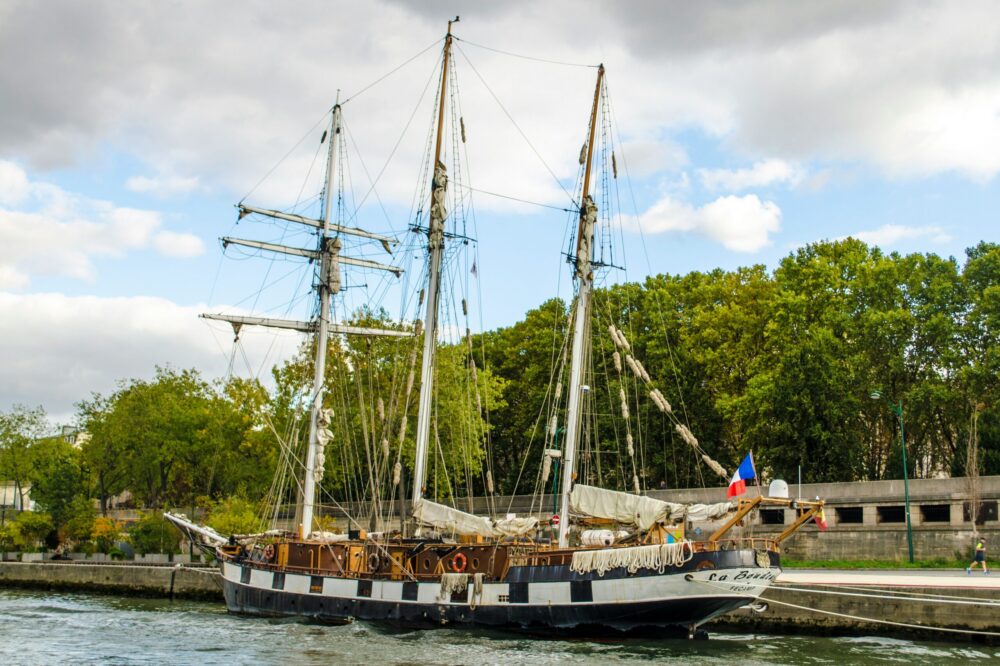
Photo by Nazim Coskun on Unsplash