Table des matières:
The Origin of a Rosy Nickname
When visitors first arrive in Toulouse, they are often struck by the warm, pinkish glow that bathes the city’s historic center. This distinctive color has earned Toulouse the enduring nickname “La Ville Rose” — the Pink City. But why is Toulouse called the Pink City? The answer lies in the unique building material that defines its architecture: terracotta brick.
The Role of Terracotta Brick
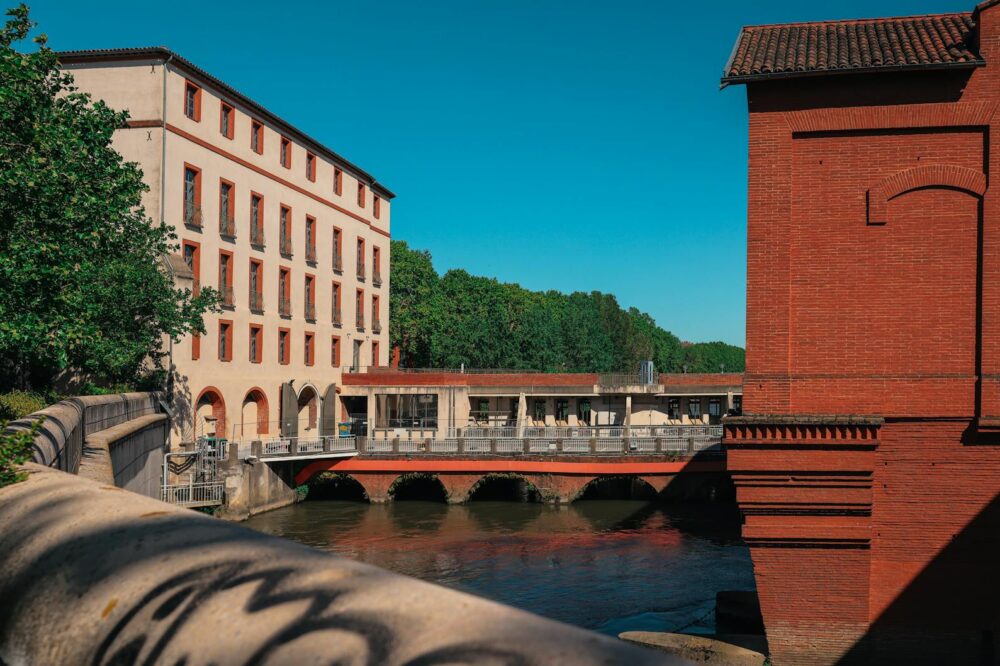
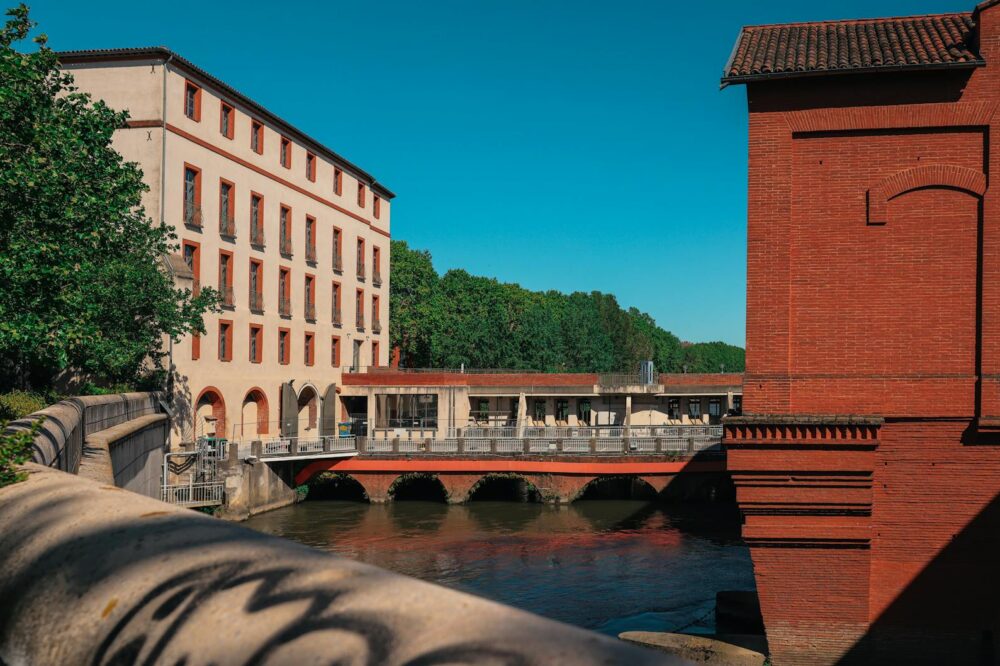
Toulouse’s signature pink hue comes from the abundant use of pink terracotta bricks in its buildings. Unlike many European cities built from gray stone or marble, Toulouse has a long tradition of using locally sourced clay bricks. The clay, rich in iron oxide, turns a soft pinkish-orange when fired. This material was readily available and affordable, making it the construction choice of the masses from the Middle Ages onward.
Why Brick Instead of Stone?
Several factors contributed to Toulouse’s reliance on brick:
- Lack of local stone: The region around Toulouse has little natural stone suitable for building. Quarries were distant and expensive to exploit.
- Abundant clay: The Garonne River valley provided rich clay deposits, perfect for brickmaking.
- Roman influence: The Romans introduced brickmaking techniques, which continued after their fall.
- Cost-effectiveness: Brick was cheaper and faster to produce than stone, allowing rapid expansion.
A Brief History of Toulouse’s Architecture
Roman Roots
Toulouse was founded as a Roman settlement called Palladia Tolosa around the 2nd century BC. The Romans built with brick and stone, but after the empire collapsed, the city turned almost exclusively to brick. The earliest Romanesque churches, like the Basilica of Saint-Sernin, already show extensive brickwork.
Medieval Boom
During the 12th to 14th centuries, Toulouse became a wealthy trading hub. The city’s growing population required new buildings, and brick was the material of choice. The Capitole de Toulouse (the city hall) and many hôtels particuliers (private mansions) were constructed in the distinctive Toulouse brick. The brick’s color varied from pale pink to deep red, depending on the firing temperature and clay composition.
Renaissance and Beyond
In the Renaissance, wealthy merchants built grand townhouses with elaborate brick facades. The Hôtel d’Assézat is a prime example, showcasing intricate brick patterns and stone accents. Over centuries, the pink brick became so characteristic that the nickname “Pink City” naturally emerged.
The Science Behind the Pink Color
The pink color is not a paint or coating; it is inherent in the brick itself. The clay contains iron oxides (primarily hematite), which turn red or pink when heated in a kiln. The exact shade depends on:
- Clay composition: Different clay deposits yield different tones.
- Firing temperature: Higher temperatures produce darker, redder bricks.
- Oxygen levels: In a reducing atmosphere, bricks can become purple or blue-gray, but Toulouse bricks were typically fired in oxidizing conditions, enhancing the pink.
Iconic Pink Buildings in Toulouse
The Capitol (Capitole)
The Place du Capitole is the heart of Toulouse. The neoclassical facade, built in the 18th century, features pink brick with stone columns. The brick gives the square a warm, welcoming feel.
Basilica of Saint-Sernin
This UNESCO World Heritage site is one of the largest Romanesque churches in Europe. Its massive brick bell tower and exterior walls exemplify the pink brick style. The church’s brickwork is a testament to the material’s durability and beauty.
Jacobins Church and Cloister
The Couvent des Jacobins is a masterpiece of Gothic brick architecture. Its soaring brick vault and palm-tree-like columns are entirely constructed from pink brick. The cloister garden offers a serene view of the rosy hues.
Historic Mansions
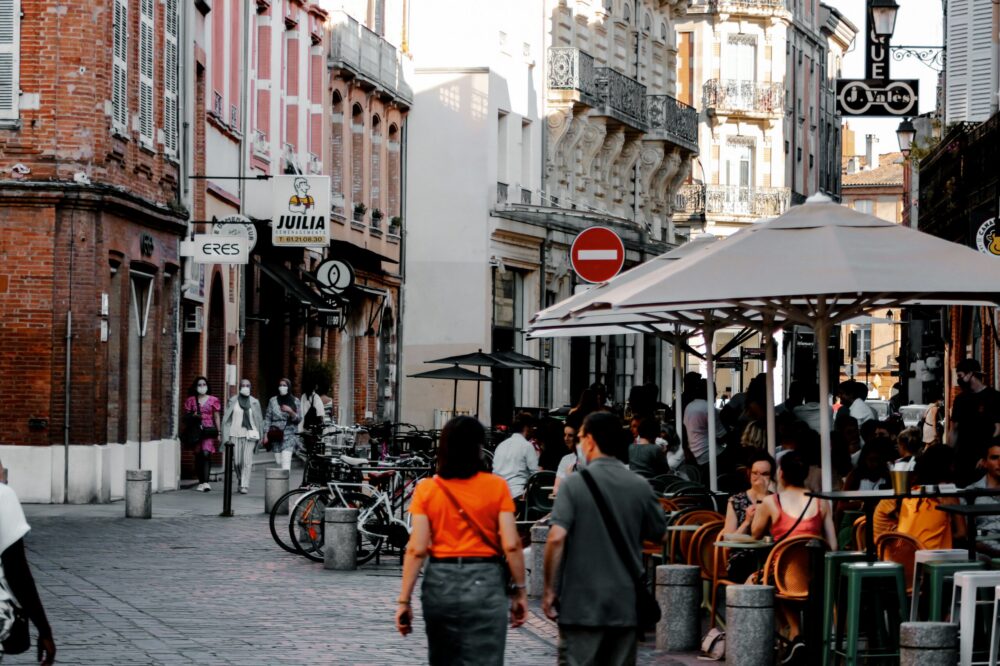
Many 16th- and 17th-century mansions along the Rue des Changes and Rue du Languedoc showcase intricate brickwork with decorative stone bands. These buildings are often called “hôtels en brique et pierre” (brick and stone houses).
How the Nickname “La Ville Rose” Became Popular
The nickname “La Ville Rose” dates back to the 19th century. Writers and poets began using it to romanticize the city’s appearance. One of the earliest recorded uses is by the French poet Théophile Gautier, who described Toulouse as “rose-colored” in his travel writings. The phrase caught on and became a marketing tool for the city. Today, it is used in tourism campaigns, local products, and even the city’s pink-themed metro line.
Comparing Toulouse to Other “Pink” Cities
Toulouse is not the only pink city in the world, but its nickname is particularly famous. Other cities with similar reputations include:
- Jaipur, India: Known as the “Pink City” due to its pink sandstone buildings, painted pink in 1876 to welcome the Prince of Wales.
- Marrakech, Morocco: Called the “Red City” for its terracotta-colored buildings.
- Florence, Italy: Often described as “pink” due to its terracotta roofs and warm stone facades.
However, Toulouse’s pink is unique because it comes from brick, not stone or paint. The city’s nickname is organic, rooted in its construction history.
The Pink City Today
Modern Toulouse continues to honor its pink heritage. Building regulations in the historic center require new constructions to use brick or at least mimic its color. The city’s tourism board actively promotes the “Pink City” brand. Visitors can take “Pink City” walking tours that highlight the best examples of brick architecture. The nickname is also used for local products, such as “Ville Rose” wine and pink-themed souvenirs.
Does the City Really Look Pink?
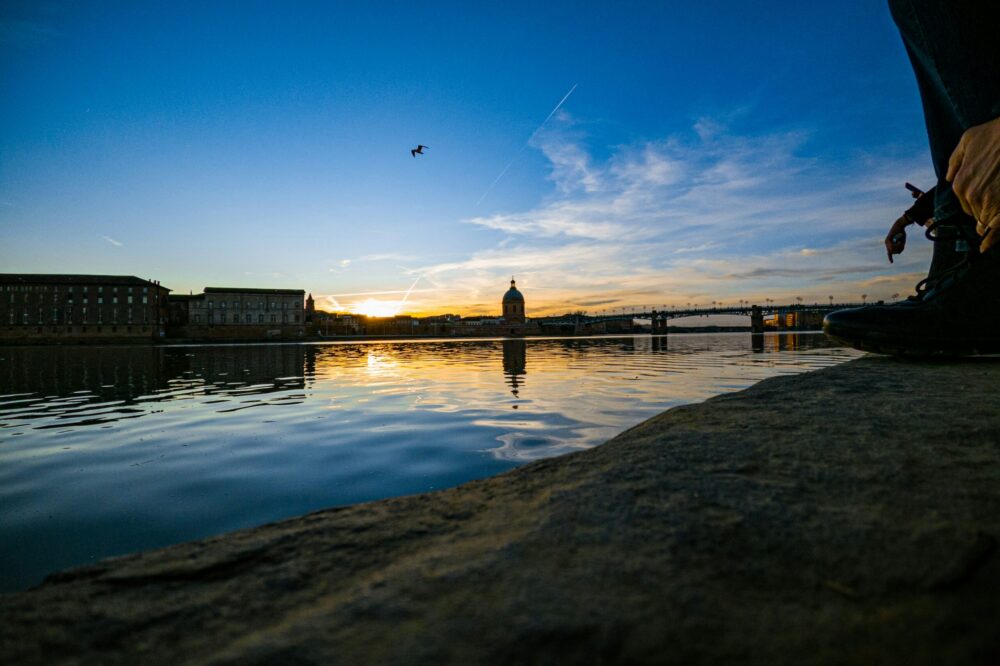
Yes, especially in the late afternoon when the low sun casts a golden-pink light on the brick facades. The effect is most striking along the Garonne River and in the Carmes and Saint-Étienne neighborhoods. Even on cloudy days, the brick retains a warm tone, giving the city a distinct character.
Why the Nickname Matters for Tourism
The “Pink City” nickname is a powerful brand. It creates a memorable image that attracts millions of tourists each year. The color pink is associated with warmth, romance, and charm, making Toulouse appealing as a destination. The nickname also helps the city stand out among other French cities like Paris, Lyon, or Marseille.
Conclusion: A City Forever Pink
So, why is Toulouse called the Pink City? The answer is simple yet fascinating: its buildings are made from locally sourced terracotta bricks that turn a distinctive pink when fired. This tradition, rooted in Roman times and perfected over centuries, gives Toulouse a unique architectural identity. The nickname “La Ville Rose” is not just a marketing gimmick; it is a reflection of the city’s history, geology, and culture. Whether you are strolling through the Capitole or admiring the Jacobins, the pink brick is a constant reminder of Toulouse’s enduring charm. Next time you see a photo of Toulouse, you’ll know exactly why it glows with that rosy hue.
Photo by TBD Traveller on Pexels