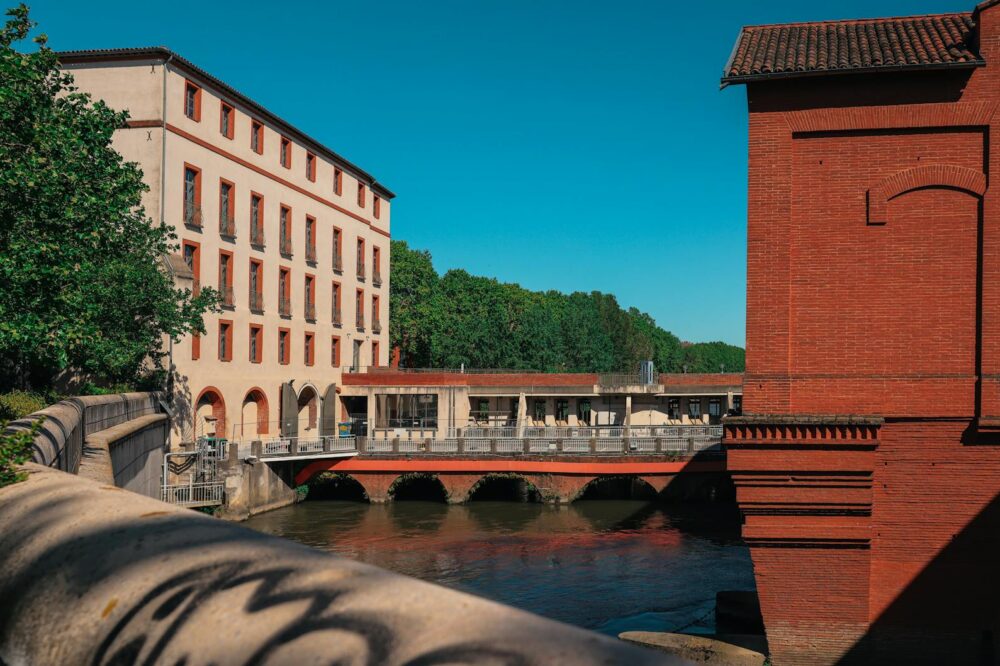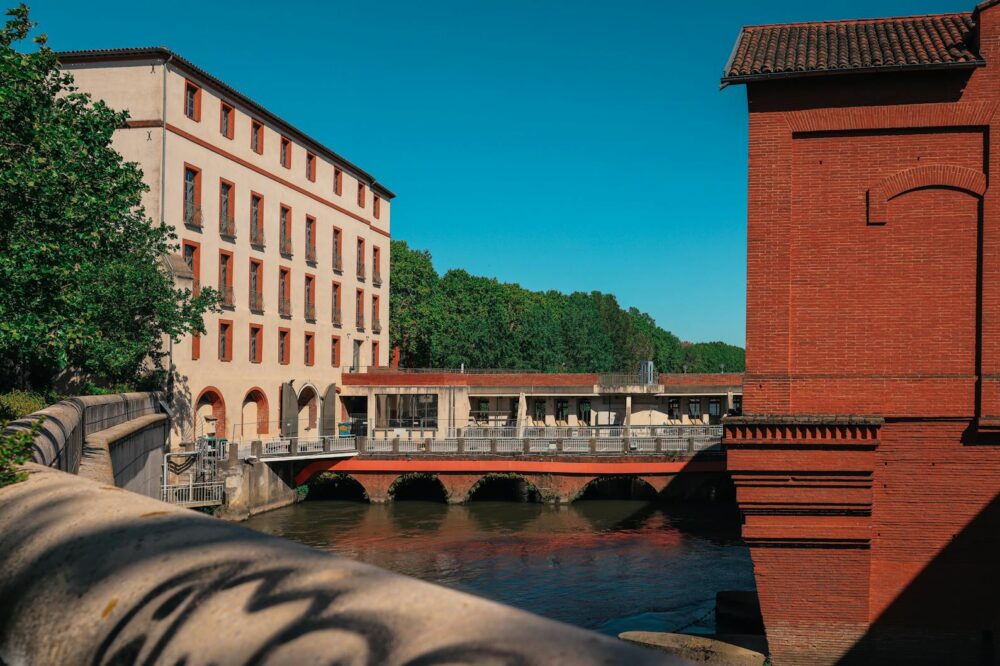
The Toulouse Marathon is one of France’s most accessible and scenic road races, held annually in the vibrant city of Toulouse. Known as the “Pink City” for its distinctive terracotta brick architecture, Toulouse offers a marathon experience that combines a flat, fast course with a rich cultural backdrop. Whether you are a first-time marathoner chasing a personal best or a seasoned runner looking for a new challenge, the Toulouse Marathon delivers a memorable event. In this guide, we will explore everything you need to know about the Toulouse Marathon, including the course profile, race day logistics, training tips, and why this race deserves a spot on your bucket list.
Table des matières:
Why Choose the Toulouse Marathon?
The Toulouse Marathon stands out for several reasons. Its pancake-flat course makes it an ideal choice for runners aiming for a Boston Qualifier or a personal record. The race takes place in late October, when temperatures are cool and pleasant. Moreover, the course winds through Toulouse’s historic center, past landmarks such as the Capitole de Toulouse, the Garonne River, and the iconic Pont Neuf. The atmosphere is electric, with enthusiastic local crowds and well-organized aid stations. For those who enjoy a smaller, more intimate race, the Toulouse Marathon caps participation at around 8,000 runners, ensuring a less crowded experience than major marathons like Paris or Berlin.
Course Overview: Flat and Fast
The Toulouse Marathon course is renowned for its minimal elevation gain. The total ascent is less than 50 meters, making it one of the flattest marathons in Europe. The route is a loop that starts and finishes at the Place du Capitole, the city’s main square. Runners will pass through diverse neighborhoods, including the historic Carmes district, the modern Compans-Caffarelli park, and the scenic banks of the Canal du Midi. The second half of the race offers long, straight stretches that allow runners to maintain a steady pace. Water stations are placed every 5 kilometers, and there are several points where spectators can easily access the course.
Elevation Profile
- Total elevation gain: ~40 meters
- Highest point: 150 meters above sea level
- Longest climb: None; the course is essentially flat
- Ideal for negative split strategies
Key Landmarks Along the Course
- Place du Capitole – Start and finish line
- Pont Neuf – Historic bridge over the Garonne
- Basilique Saint-Sernin – Largest Romanesque church in Europe
- Canal du Midi – UNESCO World Heritage site
- Jardin des Plantes – Beautiful botanical garden
Race Day Information
The Toulouse Marathon typically takes place on the last Sunday of October. The race starts at 8:00 AM for the full marathon, with the half marathon and 10K starting shortly after. The time limit for the marathon is 6 hours, which accommodates runners of all paces. Bib pickup is held at the Salon du Running, a two-day expo at the Parc des Expositions, where runners can collect their race packets, browse gear, and attend talks. The expo is open on Friday and Saturday before the race.
Registration and Fees
Registration opens several months in advance and often sells out. As of 2024, the early bird fee for the marathon is around €60, increasing to €80 closer to race day. Half marathon and 10K entries are also available. There is a charity program for those who wish to run for a cause. Registration includes a technical t-shirt, finisher medal, and access to post-race refreshments.
Weather Conditions
Late October in Toulouse typically sees temperatures between 8°C and 18°C (46°F to 64°F). Rain is possible but unlikely; average precipitation is about 50mm for the month. Runners should prepare for cool mornings that warm up quickly. A light jacket or long-sleeved shirt for the start is advisable, with arm warmers that can be discarded as the race progresses.
Training for the Toulouse Marathon
Given the flat course, training should focus on building speed and endurance on similar terrain. Long runs on flat roads or a treadmill can help simulate race conditions. Incorporating tempo runs and intervals will improve your lactate threshold. Since the race is in late October, most training plans start in June or July. A typical 16-week plan includes three to four runs per week, with a weekly long run that builds up to 32 kilometers (20 miles). Cross-training such as cycling or swimming can reduce injury risk.
Tips for a PR on the Toulouse Marathon
- Practice pacing: Use a GPS watch to maintain even splits. The flat course rewards consistent effort.
- Fuel properly: Test your nutrition strategy during long runs. Gels and sports drinks are available on course.
- Stay hydrated: Drink at every water station, even if you feel fine. Dehydration can sneak up in cooler weather.
- Arrive early: Get to the start line at least 30 minutes before the gun to warm up and find your corral.
- Enjoy the scenery: The historic landmarks can distract from fatigue. Use the crowds for motivation.
Travel and Accommodation
Toulouse is well-connected by air, rail, and road. Toulouse-Blagnac Airport is just 20 minutes from the city center, with direct flights from major European cities. The city’s train station, Toulouse-Matabiau, offers high-speed TGV service to Paris (about 4 hours) and other French cities. Accommodation ranges from budget hostels to luxury hotels. To be close to the start, book a hotel near Place du Capitole or in the historic center. Many hotels offer special rates for marathon participants, so check the official race website for partnerships.
Things to Do in Toulouse
If you are traveling to the race, consider spending a few days exploring Toulouse. The city is known for its aerospace industry (home to Airbus), its vibrant food scene (try cassoulet and foie gras), and its cultural attractions. Visit the Cité de l’Espace for a space-themed experience, or wander the streets of the Carmes district for boutique shopping. The city is also a gateway to the Pyrenees mountains, perfect for post-race hiking or skiing.
Frequently Asked Questions
Is the Toulouse Marathon suitable for beginners?
Yes, the flat course and generous time limit make it an excellent choice for first-time marathoners. The supportive atmosphere and well-marked course reduce anxiety. Many beginners use the Toulouse Marathon as their debut race.
Can I run with headphones?
Yes, headphones are allowed, but officials recommend keeping the volume low for safety. The course is closed to traffic, so you can enjoy your music without worry.
Is there a relay option?
No, the Toulouse Marathon is an individual race. However, there is a half marathon and a 10K for those who prefer shorter distances.
What is the finisher medal like?
The medal features the Capitole building and the marathon logo. It is a high-quality, heavy medal that runners proudly display. The design changes slightly each year.
Conclusion
The Toulouse Marathon offers a unique blend of speed, scenery, and southern French charm. Its flat course, ideal weather, and welcoming atmosphere make it a top choice for runners seeking a personal best or a memorable race experience. From the historic start at Place du Capitole to the finish line celebration, every mile is filled with the beauty of the Pink City. If you are looking for a marathon that is both challenging and enjoyable, the Toulouse Marathon should be on your radar. Start training, book your travel, and get ready to experience one of France’s best-kept running secrets.
Photo by TBD Traveller on Pexels