Table des matières:
Where to See Caravaggio Paintings in Rome: An Introduction to His Masterpieces
Rome is a treasure trove of art, and few artists capture the city’s dramatic spirit like Michelangelo Merisi da Caravaggio. His revolutionary use of chiaroscuro, or light and shadow, transformed Baroque painting and left an indelible mark on Rome’s cultural landscape. If you’re wondering where to see Caravaggio paintings in Rome’s churches and galleries, you’re in for a treat. This guide provides a comprehensive overview of the key locations housing his works, from intimate chapels to world-class museums. By exploring these sites, you’ll not only witness Caravaggio’s genius firsthand but also immerse yourself in the rich history of Rome.
Caravaggio’s life was as tumultuous as his art, marked by innovation, controversy, and a dramatic escape from Rome after a fatal duel. His paintings, often depicting religious scenes with raw realism, were both celebrated and criticized in his time. Today, they are revered as masterpieces that bridge the sacred and the secular. Knowing where to see Caravaggio paintings in Rome allows you to trace his artistic journey and appreciate the settings that inspired his work. Whether you’re an art enthusiast or a casual visitor, this guide will help you navigate Rome’s artistic heritage with ease.
Key Churches in Rome Featuring Caravaggio Paintings
Many of Caravaggio’s most famous works are housed in Rome’s churches, offering a unique opportunity to view them in their original religious contexts. These sites are often free to enter, though donations are appreciated, and they provide a serene atmosphere for contemplation. When planning where to see Caravaggio paintings in Rome’s churches, consider visiting during off-peak hours to avoid crowds and fully absorb the art.
San Luigi dei Francesi: Home to the St. Matthew Cycle
Located near Piazza Navona, San Luigi dei Francesi is a must-visit for anyone seeking where to see Caravaggio paintings in Rome. This French national church houses three pivotal works in the Contarelli Chapel: The Calling of St. Matthew, The Inspiration of St. Matthew, and The Martyrdom of St. Matthew. Painted between 1599 and 1602, these paintings showcase Caravaggio’s mastery of light and narrative intensity.
- The Calling of St. Matthew: This painting depicts the moment Jesus calls Matthew to discipleship, with a beam of light symbolizing divine intervention.
- The Inspiration of St. Matthew: It shows an angel guiding Matthew as he writes the Gospel, emphasizing spiritual inspiration.
- The Martyrdom of St. Matthew: A dynamic scene of Matthew’s martyrdom, filled with dramatic tension and emotional depth.
To view these works, bring coins to illuminate the chapel with a light machine, as the lighting can be dim. This church is a cornerstone for understanding where to see Caravaggio paintings in Rome, as it marks his rise to prominence.
Santa Maria del Popolo: The Cerasi Chapel Masterpieces
In the Cerasi Chapel of Santa Maria del Popolo, near Piazza del Popolo, you’ll find two of Caravaggio’s later works: The Crucifixion of St. Peter and The Conversion of St. Paul. Painted around 1601, these paintings are renowned for their psychological depth and innovative compositions. They reflect Caravaggio’s mature style, with stark contrasts and powerful human emotions.
- The Crucifixion of St. Peter: This painting portrays St. Peter being crucified upside down, with a focus on physical strain and spiritual resolve.
- The Conversion of St. Paul: It depicts Saul’s conversion on the road to Damascus, using light to symbolize divine revelation.
When visiting, take time to appreciate the chapel’s overall design, which includes works by other artists. Santa Maria del Popolo is a key stop for those determining where to see Caravaggio paintings in Rome, offering insights into his thematic evolution.
Sant’Agostino: The Madonna of Loreto
In the Cavalletti Chapel of Sant’Agostino, near Piazza Navona, Caravaggio’s Madonna of Loreto (also known as the Madonna of the Pilgrims) is displayed. Painted around 1604, this work is notable for its depiction of the Virgin Mary and Child interacting with humble pilgrims, challenging traditional iconography with its realism. It’s a quieter site compared to others, making it ideal for reflective viewing.
This painting exemplifies Caravaggio’s ability to blend the sacred with the everyday, a theme central to his art. Including Sant’Agostino in your itinerary is essential for a complete answer to where to see Caravaggio paintings in Rome, as it highlights his innovative approach to religious subjects.
Galleries and Museums in Rome with Caravaggio Collections
Beyond churches, Rome’s galleries and museums offer curated environments to explore Caravaggio’s works, often with better lighting and explanatory materials. These institutions are perfect for those looking to dive deeper into his artistic techniques and historical context. When deciding where to see Caravaggio paintings in Rome’s galleries, prioritize venues with significant collections to maximize your experience.
Galleria Borghese: A Premier Collection of Caravaggio Works
The Galleria Borghese, located in Villa Borghese park, houses one of the most impressive collections of Caravaggio paintings in Rome. This gallery requires advance booking due to its popularity, but it’s worth the effort for art lovers. Key works include Boy with a Basket of Fruit, Sick Bacchus, David with the Head of Goliath, and St. Jerome Writing.
- Boy with a Basket of Fruit: An early work showcasing Caravaggio’s skill in still life and portraiture.
- Sick Bacchus: A self-portrait that reveals his interest in realism and personal expression.
- David with the Head of Goliath: A later, somber painting thought to reflect Caravaggio’s inner turmoil.
The Galleria Borghese provides context through its Baroque art collection, making it a top destination for where to see Caravaggio paintings in Rome. Plan for at least two hours to fully appreciate the artworks and the stunning villa setting.
Palazzo Barberini: National Gallery of Ancient Art
Part of the National Gallery of Ancient Art, Palazzo Barberini features Caravaggio’s Judith Beheading Holofernes, a gripping depiction of the biblical story. Painted around 1599, this work is celebrated for its dramatic intensity and technical precision. The gallery also includes other Baroque pieces, offering a broader artistic perspective.
Visiting Palazzo Barberini complements church visits by providing a museum experience with detailed labels and controlled environments. It’s a valuable addition to any plan on where to see Caravaggio paintings in Rome, especially for those interested in his narrative power.
Pinacoteca Capitolina: A Hidden Gem
In the Capitoline Museums, the Pinacoteca Capitolina holds Caravaggio’s St. John the Baptist (Youth with a Ram), a work that blends religious symbolism with sensual realism. This lesser-known venue is often less crowded, allowing for intimate viewing. It’s an excellent choice for travelers seeking where to see Caravaggio paintings in Rome without the hustle of major tourist spots.
This painting illustrates Caravaggio’s ability to reinterpret traditional themes, making the Pinacoteca a worthwhile stop for a nuanced understanding of his art.
Tips for Viewing Caravaggio Paintings in Rome
To make the most of your search for where to see Caravaggio paintings in Rome, consider these practical tips. Rome’s art sites can be busy, so a little planning goes a long way in enhancing your experience.
- Check Opening Hours: Churches often have limited visiting times, especially during religious services. Museums may require reservations, like the Galleria Borghese.
- Bring Small Change: Many churches use coin-operated lights to illuminate chapels. Having euros on hand ensures you can see the paintings clearly.
- Visit Early or Late: To avoid crowds, aim for early mornings or late afternoons, particularly at popular sites like San Luigi dei Francesi.
- Combine Locations: Group nearby sites, such as San Luigi dei Francesi and Sant’Agostino, to save time and immerse yourself in the area’s art history.
- Respect the Settings: Remember that churches are active places of worship. Dress modestly and maintain a quiet demeanor to show respect.
By following these tips, you’ll navigate Rome’s artistic landscape smoothly and fully appreciate where to see Caravaggio paintings in Rome’s churches and galleries.
Conclusion: Embracing Caravaggio’s Legacy in Rome
Exploring where to see Caravaggio paintings in Rome’s churches and galleries is more than an art tour; it’s a journey through the heart of Baroque Rome. From the dramatic chapels of San Luigi dei Francesi to the curated halls of the Galleria Borghese, each location offers a unique window into Caravaggio’s revolutionary vision. His works continue to captivate audiences with their emotional depth and technical brilliance, making Rome a premier destination for art lovers.
As you visit these sites, you’ll not only discover masterpieces but also connect with the city’s rich cultural tapestry. Whether you’re marveling at the light in The Calling of St. Matthew or reflecting on the realism of the Madonna of Loreto, Caravaggio’s art invites contemplation and inspiration. Use this guide to plan your visits, and immerse yourself in the enduring legacy of one of history’s greatest painters. Knowing where to see Caravaggio paintings in Rome ensures an unforgettable experience that blends art, history, and spirituality.
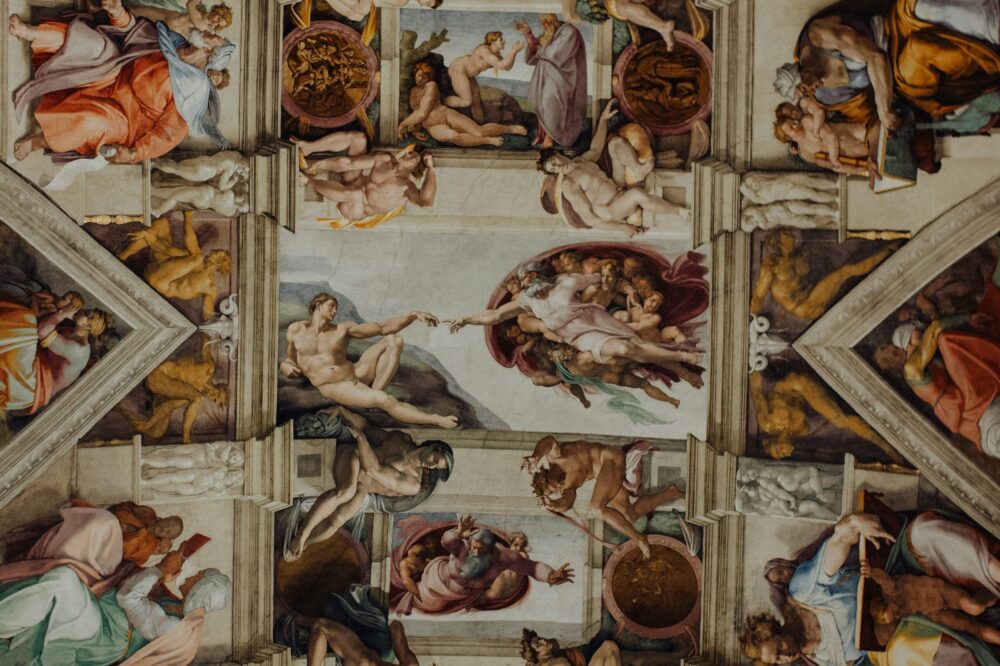
Photo by Calvin Craig on Unsplash