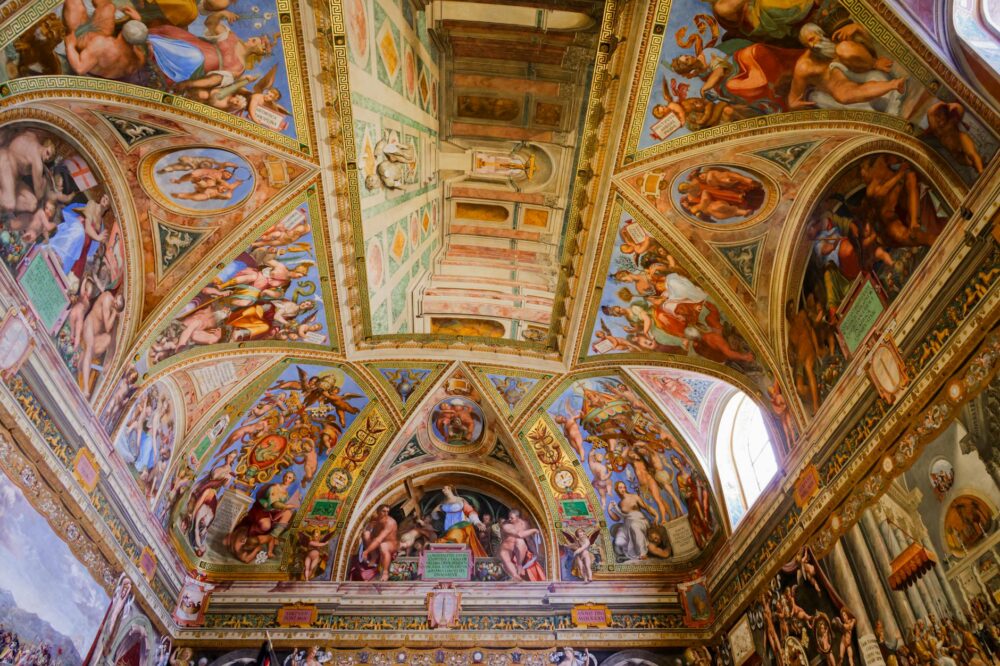
Nestled in the Trastevere district of Rome, Villa Farnesina stands as one of the finest examples of Renaissance architecture and art. Built in the early 16th century for the wealthy banker Agostino Chigi, this villa is renowned for its breathtaking frescoes by masters like Raphael, Sebastiano del Piombo, and Baldassare Peruzzi. If you’re wondering how to visit the Villa Farnesina and its Renaissance frescoes, this guide provides everything you need to know—from practical details to artistic highlights—ensuring you make the most of your experience.
Table des matières:
Why Visit Villa Farnesina?
Villa Farnesina offers a unique glimpse into the opulence and creativity of the High Renaissance. Unlike many crowded Roman attractions, it provides a more intimate setting where you can admire world-class art without the hustle. The frescoes here are not just decorations; they tell stories of mythology, love, and power, reflecting the cultural zenith of the era. Learning how to visit the Villa Farnesina and its Renaissance frescoes allows you to step back in time and appreciate a masterpiece often overshadowed by larger sites.
Planning Your Visit: Essential Information
Before you go, it’s crucial to understand the basics to ensure a smooth trip. Here’s what you need to know about how to visit the Villa Farnesina and its Renaissance frescoes.
Location and Getting There
Villa Farnesina is located at Via della Lungara, 230, in the Trastevere neighborhood of Rome. This area is known for its charming streets and vibrant atmosphere, making it a delightful place to explore. You can reach it easily by public transport:
- By Bus: Take lines 23, 280, or 780 to the Lungotevere della Farnesina stop.
- By Tram: Line 8 stops at Trastevere/Mastai, a short walk away.
- On Foot: From central Rome, it’s about a 20-30 minute walk across the Tiber River, offering scenic views.
Consider combining your visit with nearby attractions like the Botanical Garden or the Janiculum Hill for a full day of exploration.
Opening Hours and Tickets
To avoid disappointment, check the current schedule before your trip. Typically, Villa Farnesina is open:
- Monday to Saturday: 9:00 AM to 2:00 PM, with extended hours on some days for special events.
- Closed: Sundays and certain holidays; verify online for updates.
Ticket prices are reasonable, often around €10-12 for adults, with discounts for students, seniors, and children. Purchasing tickets in advance online can save time, especially during peak tourist seasons. When planning how to visit the Villa Farnesina and its Renaissance frescoes, factor in at least 1-2 hours to fully appreciate the art and architecture.
Exploring the Renaissance Frescoes
The heart of Villa Farnesina lies in its frescoes, which are among the best-preserved from the Renaissance. As you wander through the rooms, you’ll encounter works that showcase the genius of the period. Here’s a breakdown of the key highlights to look for.
Loggia of Psyche by Raphael
This loggia features Raphael’s famous fresco cycle depicting the myth of Cupid and Psyche. Completed around 1518, it illustrates scenes from the story with vibrant colors and intricate details. The ceiling is particularly stunning, with figures that seem to leap from the walls. When learning how to visit the Villa Farnesina and its Renaissance frescoes, this room is a must-see, as it represents Raphael’s mastery of narrative and beauty.
Hall of Galatea
Another masterpiece, this hall includes Raphael’s Galatea, a fresco showing the sea nymph on a shell chariot. It’s celebrated for its dynamic composition and emotional depth. Alongside, you’ll find works by other artists, creating a cohesive artistic environment. Take your time here to observe the subtle interplay of light and shadow, which enhances the three-dimensional effect.
Room of the Frieze
Decorated by Baldassare Peruzzi, this room features a frieze with mythological scenes and architectural illusions. It demonstrates the Renaissance interest in perspective and classical themes. As part of your visit to the Villa Farnesina and its Renaissance frescoes, this space offers insight into the decorative arts of the time.
Tips for an Enriching Experience
To make the most of your trip, consider these practical tips. They’ll help you navigate how to visit the Villa Farnesina and its Renaissance frescoes with ease and enjoyment.
- Guided Tours: Opt for a guided tour to gain deeper insights into the history and symbolism of the frescoes. Many tours are available in English and other languages.
- Audio Guides: If you prefer self-guided exploration, rent an audio guide for detailed explanations of each room.
- Photography: Photography is usually allowed without flash, but check current policies. Capture the beauty but also take moments to simply observe.
- Best Time to Visit: Arrive early in the morning or late in the afternoon to avoid crowds. Weekdays tend to be quieter than weekends.
- Accessibility: The villa has some stairs; contact ahead if you have mobility concerns to inquire about accommodations.
Remember, the goal is to immerse yourself in the art, so don’t rush. Reading up on Renaissance history beforehand can enhance your appreciation.
Nearby Attractions and Combining Your Visit
Villa Farnesina is part of a rich cultural tapestry in Rome. After your visit, explore the surrounding area to round out your day. Trastevere is famous for its authentic restaurants and lively piazzas—perfect for a post-tour meal. Other nearby sites include:
- Botanical Garden of Rome: A peaceful oasis with diverse plant collections.
- Janiculum Hill: Offers panoramic views of the city.
- Santa Maria in Trastevere: A beautiful basilica with medieval mosaics.
Planning how to visit the Villa Farnesina and its Renaissance frescoes as part of a broader itinerary can make your Roman adventure more fulfilling.
Conclusion: Your Guide to Villa Farnesina
Visiting Villa Farnesina is a journey into the heart of the Renaissance, offering an intimate look at some of Italy’s greatest artistic achievements. By following this guide on how to visit the Villa Farnesina and its Renaissance frescoes, you can plan a seamless and enriching experience. From practical details like tickets and hours to artistic highlights like Raphael’s frescoes, every aspect is designed to help you connect with this cultural gem. Whether you’re an art enthusiast or a curious traveler, Villa Farnesina promises a memorable escape into history and beauty. Book your tickets today and discover why this villa remains a hidden treasure in Rome.
Photo by Magda Ehlers on Pexels