
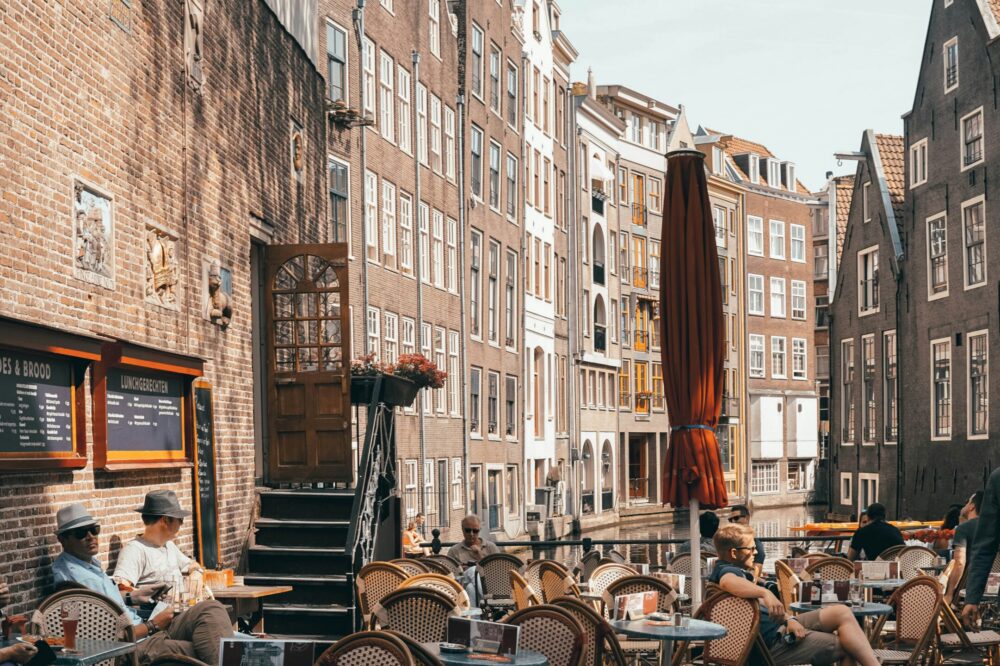
If you’re visiting Amsterdam, you might wonder where to find traditional Dutch food in Amsterdam beyond the tourist traps. The city is packed with cozy eateries serving hearty, authentic dishes passed down through generations. From savory stamppot to sweet stroopwafels, this guide will help you taste the real Netherlands. We’ll cover iconic restaurants, street food stalls, and hidden gems that locals love. Let’s dive in.
Table des matières:
What Is Traditional Dutch Food?
Traditional Dutch cuisine is simple, filling, and rooted in agricultural history. Potatoes, vegetables, and meat form the base of many dishes. Think of stamppot (mashed potatoes mixed with veggies), erwtensoep (pea soup), and haring (raw herring). For sweets, you have poffertjes (mini pancakes), appeltaart (apple pie), and oliebollen (Dutch doughnuts). These dishes are not just food—they’re comfort and culture.
Where to Find Traditional Dutch Food in Amsterdam: Top Restaurants
1. Moeders
Location: Rozengracht 251
Why go: The name means “mothers,” and the walls are covered with photos of real mothers. The menu features classic Dutch dishes like stamppot, hutspot, and meatballs. It’s a warm, homely spot to taste authentic flavors.
2. Haesje Claes
Location: Spuistraat 273-275
Why go: Housed in a 16th-century building, this restaurant serves a traditional Dutch menu including erwtensoep, zuurkoolstamppot (sauerkraut mash), and pannekoeken (pancakes). The historic ambiance adds to the experience.
3. De Silveren Spiegel
Location: Kattengat 4-6
Why go: For a fine-dining twist on Dutch classics, this Michelin Bib Gourmand restaurant offers dishes like venison stew and smoked eel. It’s perfect if you want to elevate traditional food.
Street Food and Markets
If you’re wondering where to find traditional Dutch food in Amsterdam on the go, head to the markets. They’re hubs for authentic snacks.
Albert Cuyp Market
Location: Albert Cuypstraat (De Pijp)
Must-try: Haring (herring with onions and pickles), stroopwafels (freshly made), and kibbeling (fried cod bites). The market is lively and full of locals.
Foodhallen
Location: Bellamyplein 51
Must-try: Inside this indoor food market, you’ll find stalls offering bitterballen (deep-fried meatballs), poffertjes, and Dutch cheese. It’s a modern twist on street food.
Iconic Dutch Dishes to Try
When searching for where to find traditional Dutch food in Amsterdam, keep an eye out for these must-try dishes:
- Stamppot: Mashed potatoes with kale (boerenkool) or endive, served with rookworst (smoked sausage).
- Erwtensoep (Snert): Thick pea soup with pork, celery, and rye bread. Best on a cold day.
- Haring: Raw herring fish, often eaten with onions and pickles. Hold it by the tail and take a bite!
- Poffertjes: Fluffy mini pancakes dusted with powdered sugar and butter.
- Appeltaart: Dutch apple pie with a crumbly crust, often served with whipped cream.
Hidden Gems for Traditional Dutch Food
Beyond the main streets, these spots are where locals go.
Restaurant Greetje
Location: Peperstraat 23-25
Why go: This restaurant focuses on regional Dutch dishes using seasonal ingredients. Try the Zeeuwse mosselen (mussels) or the wild boar stew.
Van Kerkwijk
Location: Nieuwezijds Voorburgwal 61
Why go: A small, family-run spot known for its bitterballen and cheese platters. It’s a cozy place to snack and drink.
De Pizzabakkers (Dutch-style pizza?)
Location: Multiple locations
Why go: While not traditional, they offer a Dutch take on pizza with toppings like rookworst and gouda. A fun fusion.
Tips for Eating Traditional Dutch Food in Amsterdam
- Go for lunch: Many Dutch restaurants serve hearty lunch portions at lower prices.
- Try local beers: Pair your meal with a Dutch beer like Grolsch or a jenever (gin).
- Don’t skip the cheese: Visit a cheese shop for samples of aged Gouda, Edam, or Leyden.
- Be adventurous: Try raw herring or pickled herring—it’s a rite of passage.
Conclusion
Knowing where to find traditional Dutch food in Amsterdam transforms your visit from a typical tourist trip into a cultural experience. Whether you sit down at Moeders for a hearty stamppot or grab a herring at the Albert Cuyp Market, each bite tells a story. Don’t be afraid to explore beyond the central canals; the best dishes are often found in neighborhood eateries. So, next time you’re in Amsterdam, make it a mission to taste the authentic flavors of the Netherlands. Eet smakelijk!
Photo by Ian Valerio on Unsplash




Great guide! I’m visiting Amsterdam next month and really want to try stamppot. Which restaurant would you recommend for a first-timer?
For a first-timer, Moeders is a fantastic choice. The atmosphere is cozy and the stamppot is classic. You can also try Haesje Claes for a historic setting.
Is the Albert Cuyp Market open every day? I want to try fresh stroopwafels.
The Albert Cuyp Market is open Monday through Saturday from 9am to 5pm. It’s closed on Sundays. The fresh stroopwafels are a must-try!
I’m vegetarian. Are there any traditional Dutch dishes I can enjoy?
Yes! Many stamppot varieties are vegetarian, especially the ones with kale or endive. Also, try poffertjes and appeltaart. Some restaurants offer veggie versions of erwtensoep.
Where can I find the best bitterballen in Amsterdam?
Van Kerkwijk is a hidden gem for bitterballen, but you can also find excellent ones at Foodhallen or any traditional bruin café.
Are there any gluten-free options for traditional Dutch food?
Some dishes like herring, kibbeling (if fried in gluten-free batter), and stamppot can be gluten-free. Always check with the restaurant. Moeders and Greetje are accommodating.
I’ve heard about ‘erwtensoep’ but I’m not sure where to get a good bowl. Any suggestions?
Haesje Claes serves a hearty erwtensoep, and many locals swear by the version at Restaurant Greetje. It’s also available at some market stalls in winter.
Is it true that you should hold the herring by the tail and eat it in one go?
Yes, that’s the traditional way! At the Albert Cuyp Market, you can buy a herring and eat it right there. Just tilt your head back and enjoy.
Do you recommend any food tours that focus on traditional Dutch cuisine?
There are several food tours, but a DIY approach using this guide works well. For a guided option, check out ‘Taste of Amsterdam’ tours that include market visits and restaurant stops.