Table des matières:
Introduction: The Magic of the Strasbourg Christmas Market
Every year, the city of Strasbourg transforms into a winter wonderland that draws millions of visitors from around the globe. But what is the Strasbourg Christmas market like? Known as the “Capital of Christmas,” Strasbourg hosts one of the oldest and largest Christmas markets in Europe, dating back to 1570. Its unique blend of Alsatian traditions, medieval architecture, and festive lights creates an unforgettable experience. In this article, we’ll explore every aspect of this magical market, from its iconic stalls and culinary delights to practical tips for first-time visitors.
The Atmosphere: A Fairytale Setting
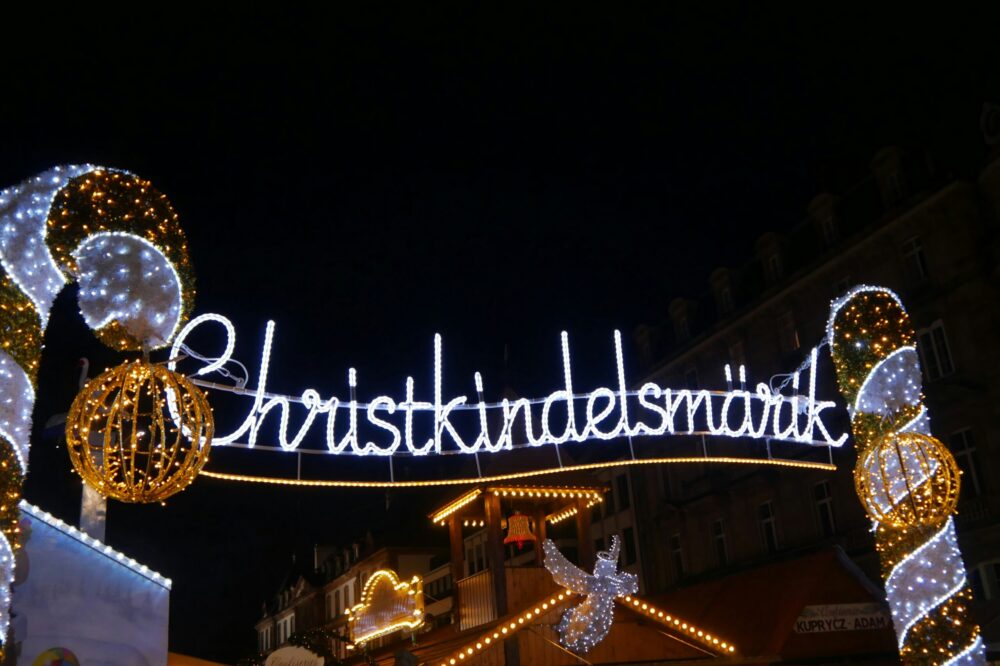
The Strasbourg Christmas market is not just a market; it’s a full immersion into a Christmas fairytale. The city’s historic center, a UNESCO World Heritage site, becomes a stage for hundreds of wooden chalets, twinkling lights, and the scent of mulled wine and gingerbread. What is the Strasbourg Christmas market like in terms of ambiance? Imagine strolling through cobblestone streets under a canopy of stars, with the majestic Strasbourg Cathedral as your backdrop. The air is filled with carols, laughter, and the sound of children’s joy. Every corner reveals a new wonder, from the giant Christmas tree on Place Kléber to the enchanting Petite France district.
Where Is the Strasbourg Christmas Market Located?
The market is spread across multiple squares and streets in the city center, each with its own theme and character. The main sites include:
- Place de la Cathédrale: The most iconic spot, with stalls selling crafts, decorations, and local specialties right at the foot of the cathedral.
- Place Kléber: Home to the city’s giant Christmas tree, a 30-meter-tall spruce adorned with lights and ornaments.
- Place Broglie: Known for its traditional Alsatian products and the Christmas market of the region.
- Place de l’Homme de Fer: A hub for international crafts and gourmet food.
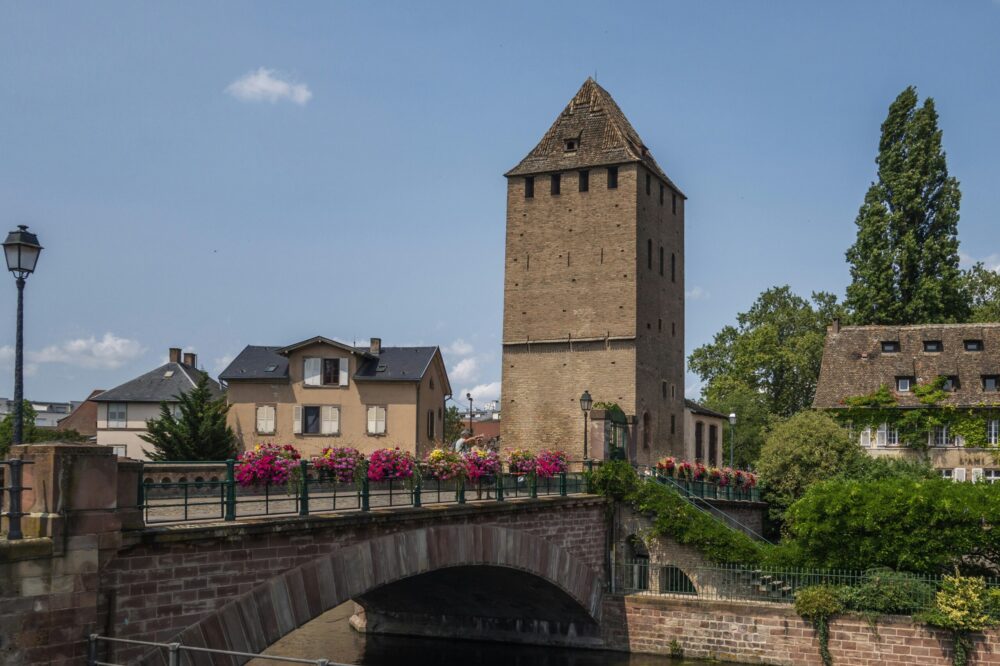
- Petite France: A romantic area with half-timbered houses and canals, offering a more intimate market experience.
What to See and Do at the Strasbourg Christmas Market
1. The Great Christmas Tree
Standing tall on Place Kléber, the grand sapin (fir tree) is a symbol of the market. Decorated with thousands of lights and ornaments, it’s a perfect photo opportunity and a meeting point for visitors.
2. The Cathedral and Its Light Show
Strasbourg Cathedral, with its stunning Gothic architecture, is illuminated every evening with a spectacular light show. The market stalls around the cathedral offer a front-row seat to this breathtaking display.
3. The Alsatian Crafts and Gifts
Over 300 chalets sell handmade gifts, including wooden toys, ceramics, glass ornaments, and traditional Alsatian textiles. It’s the perfect place to find unique Christmas presents.
4. Culinary Delights
No visit is complete without tasting local specialties. Must-try foods include:
- Bredeles: Small, buttery Christmas cookies in various shapes and flavors.
- Mulled Wine (Vin Chaud): Spiced red or white wine served in souvenir mugs.
- Choucroute: Alsatian sauerkraut with sausages and potatoes.
- Foie Gras: A regional delicacy available at many stalls.
- Pain d’Épices: Gingerbread, often decorated with icing.
5. The Christmas Village in Petite France
This area offers a more quaint and cozy market experience, with artisans demonstrating their crafts and selling handmade goods. The canals and half-timbered houses add to the charm.
When to Visit: Dates and Timing
The Strasbourg Christmas market typically runs from late November to December 24th. The exact dates vary each year, but it usually opens the last week of November. What is the Strasbourg Christmas market like at different times? Weekdays are less crowded, while weekends are bustling with locals and tourists. Evenings are magical when the lights are on, but mornings are quieter for a more relaxed stroll.
Practical Tips for Visitors
Getting There
Strasbourg is easily accessible by train from Paris (2 hours 20 minutes by TGV), by plane via Strasbourg Airport, or by car. The city center is pedestrian-friendly, and parking is available on the outskirts with shuttle services.
Accommodation
Book well in advance, as hotels fill up quickly. Consider staying in the city center or in nearby towns like Colmar for a more affordable option.
What to Wear
December temperatures in Strasbourg range from -2°C to 6°C (28°F to 43°F). Dress warmly in layers, with a good coat, scarf, gloves, and comfortable shoes for walking.
Budget
Entrance to the market is free, but you’ll want to budget for food, drinks, and souvenirs. A mug of mulled wine costs around €5, and gifts vary from a few euros to hundreds for high-end crafts.
Why Strasbourg Is Called the Capital of Christmas
Strasbourg earned this title because of its long-standing Christmas tradition, which dates back to the 16th century. The city goes all out with decorations, lights, and events. In fact, the market is so renowned that it has been named the “Capital of Christmas” by the European Parliament. What is the Strasbourg Christmas market like compared to others? It’s often considered the most authentic and atmospheric in Europe, blending history, culture, and festive spirit seamlessly.
Conclusion: An Unforgettable Experience
In summary, what is the Strasbourg Christmas market like? It’s a magical journey through centuries-old traditions, a feast for the senses, and a celebration of community and joy. Whether you’re sipping mulled wine by the cathedral, shopping for handmade ornaments, or simply soaking in the festive atmosphere, this market offers an experience that will stay with you long after the holidays. Plan your visit, embrace the Alsatian spirit, and discover why millions return year after year to the Capital of Christmas.
Photo by Alexis Brandner on Unsplash