Table des matières:
Introduction to the Strasbourg Covered Bridge
If you’ve ever wandered through the picturesque streets of Strasbourg, France, you may have stumbled upon a charming wooden structure spanning the Ill River. Known as the Strasbourg covered bridge, this historic landmark is one of the city’s most photographed attractions. But what exactly is the Strasbourg covered bridge, and why does it captivate visitors from around the world? In this article, we’ll explore its history, architecture, cultural significance, and why it remains a beloved symbol of Strasbourg’s medieval heritage.
What Is the Strasbourg Covered Bridge?
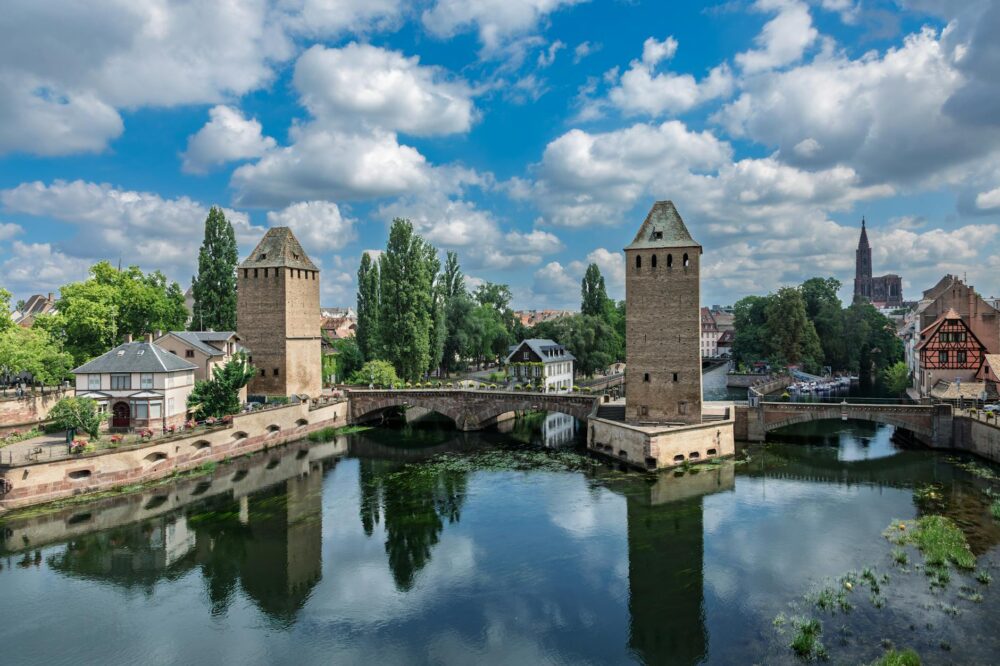
The Strasbourg covered bridge, also known as the Ponts Couverts, is a set of three bridges and four towers that date back to the 13th century. Despite its name, the bridge is no longer covered—the original wooden roofs were removed in the 18th century. However, the towers and the fortified structure remain, offering a glimpse into the city’s medieval defensive system. The covered bridge is part of the historic center of Strasbourg, a UNESCO World Heritage site, and it spans the Ill River near the Petite France district.
Historical Background
Medieval Origins
The Strasbourg covered bridge was constructed between 1230 and 1250 as part of the city’s fortifications. At that time, Strasbourg was a free imperial city within the Holy Roman Empire, and it needed strong defenses to protect its growing population and trade routes. The bridge was originally covered with a wooden roof to protect soldiers and goods from the elements, hence the name “covered bridge.” The four towers served as guard posts and storage for weapons and ammunition.
Evolution Through the Centuries
Over the centuries, the covered bridge underwent several modifications. In the 16th century, the wooden roofs were replaced with stone vaults, but the bridges remained covered until the 18th century. During the French Revolution, the bridge lost its roofs entirely, and the towers were repurposed as prisons and later as warehouses. In the 19th century, the city restored the towers and opened the area to the public. Today, the Strasbourg covered bridge is a popular tourist attraction and a testament to the city’s rich history.
Architecture and Design
The Strasbourg covered bridge consists of three stone bridges that cross the four branches of the Ill River. The bridges are flanked by four massive towers, each with a distinct architectural style. The towers are square in shape and range from 20 to 25 meters in height. They are built of sandstone and feature Gothic windows, spiral staircases, and defensive elements such as machicolations (projecting galleries). The bridges themselves are low and wide, originally designed to accommodate horse-drawn carts and pedestrians.
The Four Towers
- Tour de l’Église (Church Tower): The largest tower, located at the northern end.
- Tour du Diable (Devil’s Tower): Known for its mysterious name and legends.
- Tour des Pêcheurs (Fishermen’s Tower): Adjacent to the fishermen’s quarter.
- Tour des Tanneurs (Tanners’ Tower): Near the tanners’ district, now part of Petite France.
Each tower has a unique history and offers panoramic views of the river and the city. Visitors can climb the towers during the summer months for a small fee.
Location and How to Visit
The Strasbourg covered bridge is located in the Petite France district, a charming area known for its half-timbered houses, canals, and cobblestone streets. The bridge is easily accessible on foot from the city center. You can also take a boat tour along the Ill River to see the bridge from the water. The nearest tram stop is “Homme de Fer,” which is a 10-minute walk away.
Best Time to Visit
The covered bridge is beautiful year-round, but spring and summer offer the best weather for walking and photography. During the Christmas season, the bridge is adorned with lights, creating a magical atmosphere. Early morning or late afternoon provides the best lighting for photos, with fewer crowds.
Cultural Significance
The Strasbourg covered bridge is more than just a historical structure; it is a symbol of the city’s resilience and heritage. It has been featured in countless paintings, photographs, and films. The bridge also plays a role in local legends, such as the story of the Devil’s Tower, which is said to be haunted. For locals, the bridge represents the medieval spirit of Strasbourg and its ability to adapt through the ages.
Nearby Attractions
While visiting the Strasbourg covered bridge, you can explore other nearby landmarks:
- Petite France: A UNESCO-listed district with charming streets and canals.
- Strasbourg Cathedral: A masterpiece of Gothic architecture, just a 15-minute walk away.
- Palais Rohan: A palace housing three museums (Archaeological, Decorative Arts, and Fine Arts).
- Barrage Vauban: A 17th-century dam offering great views of the bridge.
You can easily spend a full day exploring this historic area.
Frequently Asked Questions
Is the Strasbourg covered bridge really covered?
No, the original wooden roofs were removed in the 18th century. Today, only the stone bridges and towers remain.
Can I walk across the bridge?
Yes, the bridges are open to pedestrians and cyclists. They are part of a scenic walking path along the river.
Are the towers open to the public?
Yes, the towers are open during the summer months (May to September) for a small fee. They offer great views of the city.
Is the bridge accessible for people with disabilities?
The bridges themselves are accessible, but the towers have narrow spiral staircases that may be challenging for some visitors.
Conclusion
The Strasbourg covered bridge is a must-see attraction for anyone visiting Alsace. Its rich history, stunning architecture, and scenic location make it a highlight of any trip to Strasbourg. Whether you’re a history buff, a photography enthusiast, or simply a traveler seeking beauty, the covered bridge offers a unique glimpse into the medieval past. So next time you’re in Strasbourg, take a stroll across the Ponts Couverts and imagine the centuries of stories that have passed beneath its towers. Don’t forget to bring your camera—you’ll want to capture this iconic landmark from every angle.
Photo by Travel Photographer on Pexels