Table des matières:
Introduction
Strasbourg, the capital of the Alsace region in France, is renowned for its stunning blend of French and German cultures, its picturesque canals, and its iconic Gothic cathedral. But is Strasbourg a UNESCO World Heritage site? The answer is yes, but with a specific nuance. In this article, we’ll explore what parts of Strasbourg are inscribed on the UNESCO World Heritage list, why they were chosen, and what makes this city a truly unique destination.
What Part of Strasbourg Is a UNESCO World Heritage Site?
Strasbourg’s entire historic center, known as the Grande Île, was inscribed as a UNESCO World Heritage site in 1988. The Grande Île is the historic island at the heart of Strasbourg, surrounded by the Ill River. In 2017, the UNESCO listing was expanded to include the Neustadt, or “new town,” a German-built district from the late 19th and early 20th centuries. Together, these areas form a UNESCO site that showcases the evolution of Strasbourg from a medieval city to a modern European hub.
Why Is Strasbourg a UNESCO World Heritage Site?
Strasbourg was recognized by UNESCO for its outstanding universal value. The city’s historic center is a remarkable example of a European city that has successfully integrated diverse cultural influences, particularly French and German. The Grande Île features a mix of medieval architecture, Renaissance buildings, and classic French urban planning. The Neustadt, on the other hand, represents a planned city expansion under German rule, with wide boulevards, grand buildings, and a blend of historicist and Art Nouveau styles. Together, they tell the story of Strasbourg’s strategic importance and its role as a crossroads of European cultures.
Key Landmarks Within the UNESCO Site
When exploring Strasbourg’s UNESCO-listed area, several landmarks stand out:
- Strasbourg Cathedral (Cathédrale Notre-Dame): A masterpiece of Gothic architecture, with its famous astronomical clock and a spire that was the tallest in the world until the 19th century.
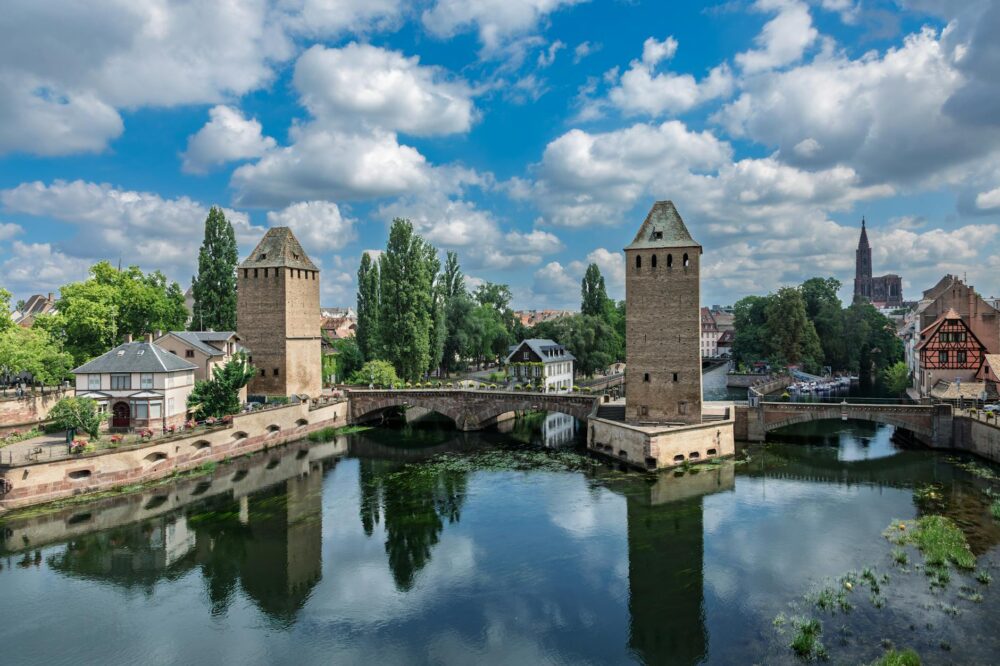
- La Petite France: A charming district of half-timbered houses, canals, and cobblestone streets, once home to tanners, millers, and fishermen.
- Palais Rohan: A grand 18th-century palace that houses three museums: the Museum of Fine Arts, the Archaeological Museum, and the Museum of Decorative Arts.
- Place Kléber: The main square of Strasbourg, surrounded by shops, cafés, and the Aubette building.
- Neustadt: The imperial German quarter, featuring wide avenues, the Palais du Rhin, and the National Theatre of Strasbourg.
How to Explore Strasbourg’s UNESCO Site
Visitors can easily explore the UNESCO-listed areas on foot. The Grande Île is compact and walkable, with most attractions within a 15-minute walk of each other. A guided tour or a boat ride on the Ill River offers a different perspective. The Neustadt is slightly larger but still accessible by foot or by using the city’s excellent tram system. To fully appreciate the site, plan at least two days to cover both the medieval and the 19th-century districts.
Tips for Visiting
- Start early to avoid crowds at the cathedral.
- Visit La Petite France in the morning when the light is best for photos.
- Take a river cruise to see the city from the water.
- Don’t miss the panoramic view from the cathedral platform (332 steps).
- Explore the Neustadt’s museums and architecture.
Is the Entire City of Strasbourg a UNESCO Site?
No, only the Grande Île and the Neustadt are inscribed as UNESCO World Heritage sites. The rest of Strasbourg, including modern neighborhoods and industrial areas, is not part of the listing. However, the UNESCO buffer zone ensures that new developments do not negatively impact the historic areas. The designation covers about 1.5 square kilometers, which is a significant portion of the city center.
What Makes Strasbourg’s UNESCO Status Unique?
Strasbourg is one of the few cities to have its UNESCO listing expanded to include a 19th-century planned city. This expansion recognized the Neustadt’s architectural and urban value, which had previously been overlooked. The site now represents a continuous urban development from the Middle Ages to the early 20th century, making it a unique case study in European city planning. Additionally, Strasbourg is home to several European institutions, such as the European Parliament, which adds a modern layer to its historical significance.
Frequently Asked Questions About Strasbourg’s UNESCO Status
When was Strasbourg added to the UNESCO list?
The Grande Île was inscribed in 1988, and the Neustadt was added in 2017.
Is Strasbourg Cathedral a UNESCO site?
Yes, the cathedral is part of the UNESCO-listed Grande Île.
Can I visit the UNESCO site for free?
Most of the outdoor areas are free to explore. Some museums and attractions have entrance fees.
How long does it take to see the UNESCO site?
A thorough visit takes at least one full day, but two days are recommended for a relaxed experience.
Conclusion
So, is Strasbourg a UNESCO World Heritage site? Absolutely. The Grande Île and the Neustadt together form a UNESCO-listed area that captures the city’s rich history and cultural fusion. From the medieval charm of La Petite France to the imperial grandeur of the Neustadt, Strasbourg offers a journey through centuries of European architecture and urbanism. Whether you’re a history buff, an architecture enthusiast, or a curious traveler, exploring Strasbourg’s UNESCO site is an unforgettable experience. Plan your visit today and discover why this city is a true gem of European heritage.
Photo by Edoardo Colombo on Pexels