
Table des matières:
Unlocking the Magic of the Canal du Midi
The Canal du Midi is a 17th-century engineering marvel that stretches 240 kilometers (150 miles) through the sun-drenched landscapes of southern France. Connecting the Garonne River near Toulouse to the Étang de Thau on the Mediterranean coast, it was built to create a shortcut between the Atlantic Ocean and the Mediterranean, bypassing the treacherous Strait of Gibraltar. Today, it is a UNESCO World Heritage site, a tranquil waterway lined with plane trees, dotted with charming villages, and beloved by travelers seeking a slow-paced adventure. But what exactly makes this canal so special, and how can you explore it in the most rewarding way? This guide answers every question you might have.
Why the Canal du Midi Is Unlike Any Other Canal
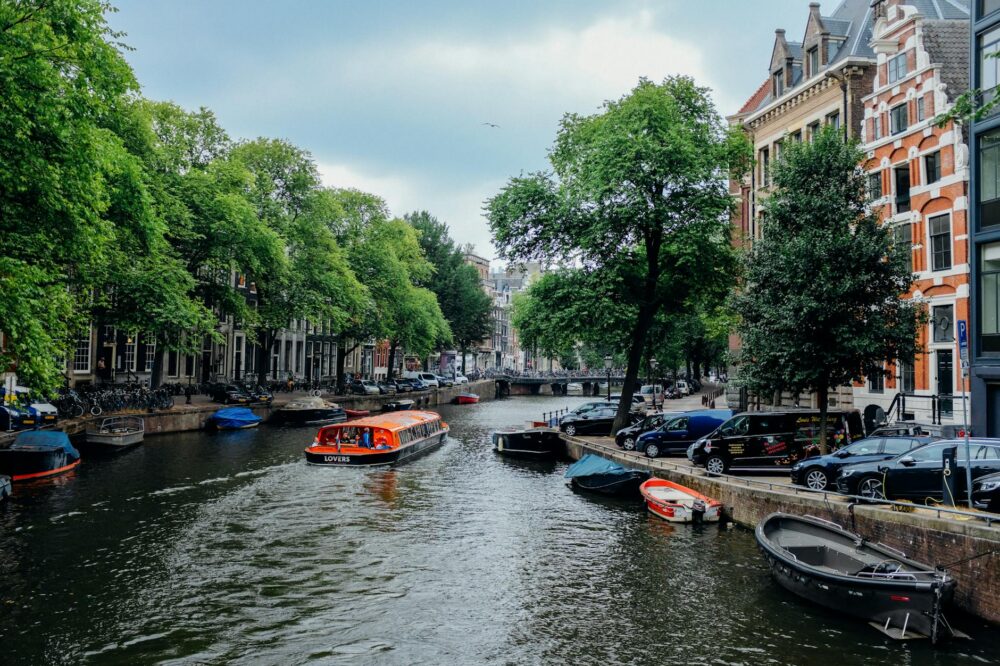
Unlike industrial canals of the north, the Canal du Midi was designed for elegance. Its creator, Pierre-Paul Riquet, envisioned a waterway that would blend seamlessly with the landscape. The result is a tree-lined corridor of shade and stillness, where ancient locks, stone bridges, and charming lock-keepers’ cottages appear around every bend. The canal’s most iconic feature is its double row of plane trees—over 40,000 of them—planted to stabilize the banks and provide shade for tow horses. Though many were lost to a fungal disease in recent years, replanting efforts are restoring this iconic canopy.
Key Facts at a Glance
| Feature | Details |
|---|---|
| Length | 240 km (150 miles) |
| Locks | 63 locks, including 9 staircase locks |
| Construction | 1666–1681 |
| UNESCO Status | World Heritage Site since 1996 |
| Best Time to Visit | April to October (peak: June–September) |
How to Explore the Canal du Midi: Top 4 Ways
Whether you prefer being on the water, cycling along the towpath, or walking through vineyards, the Canal du Midi offers multiple ways to experience its charm. Here are the most popular methods.
1. Cruising on a Houseboat or Rental Barge
The quintessential Canal du Midi experience is a self-drive boat trip. You don’t need a boating license for most rental boats, and companies provide a quick training session before you set off. You’ll navigate locks, moor in sleepy villages, and enjoy the freedom to stop wherever you like. Most rentals are available from bases in Toulouse, Carcassonne, or Castelnaudary.
Practical tips for a boat trip:
- Book well in advance, especially for summer.
- Plan for about 5–6 hours of cruising per day (locks take time).
- Pack light: cabins are compact.
- Bring a bike on board for exploring on land.
- Learn basic lock etiquette—wait your turn and help close gates.
Common Mistake to Avoid
Many first-timers underestimate how long locks take. A single lock can take 15–30 minutes, and you’ll encounter dozens. Don’t try to cover too much distance in one day; enjoy the slow pace.
2. Cycling the Towpath
The flat, shaded towpath is a cyclist’s dream. The entire canal is paralleled by a well-maintained gravel or dirt path, making it ideal for a multi-day bike tour. You can ride from Toulouse to the Mediterranean in about a week, passing through vineyards, sunflower fields, and medieval villages. E-bikes are widely available for those who want a little assistance.
Cycling checklist:
- Rent a hybrid or e-bike from local shops.
- Bring water and snacks—shops can be sparse between villages.
- Wear a helmet and use lights if cycling early or late.
- Stay on the towpath; avoid the adjacent roads.
- Plan overnight stops in advance (hotels and B&Bs fill up in summer).
3. Walking Sections of the Canal
If you prefer walking, you can tackle the towpath in segments. Many walkers choose the most scenic sections, such as the stretch from Carcassonne to Trèbes (about 7 km) or the area around the Fonserannes Lock staircase near Béziers. Walking allows you to fully absorb the tranquility, spot wildlife like herons and kingfishers, and stop for picnics under the plane trees.
Recommended short walks:
- Fonserannes Lock to Béziers: 3 km, highlights the staircase of 9 locks.
- Homps to Argens-Minervois: 5 km, through vineyards and a charming port.
- Toulouse city section: the Canal de Brienne to the Port de l’Embouchure.
4. Guided Tours and Day Trips
If you have limited time, consider a guided boat tour or a day trip from a nearby city. Many operators offer 2-hour or half-day cruises from ports like Carcassonne, Béziers, or Castelnaudary. Some include wine tasting or lunch. Alternatively, you can join a guided cycling tour that handles logistics and provides local insights.
Must-See Highlights Along the Canal
While the entire canal is beautiful, certain spots deserve special attention.
Fonserannes Lock Staircase (Écluses de Fonserannes)
Near Béziers, this staircase of 9 locks is a masterpiece of hydraulic engineering. It raises boats 21.5 meters over a distance of 300 meters. Watching a boat navigate the staircase is a popular photo opportunity. The site also has a museum and a park.
The Malpas Tunnel
This 165-meter tunnel near Béziers was cut through the Malpas hill. It was a daring solution to avoid a costly detour. Today, it is one of the oldest canal tunnels still in use. You can walk or cycle through it, but be prepared for darkness and a cool temperature.
Carcassonne and the Canal
The fortified city of Carcassonne is a UNESCO site in its own right. The canal passes just below the medieval ramparts, offering stunning views. Moor your boat or park your bike and explore the city’s narrow streets, castle, and basilica.
Castelnaudary and Cassoulet
Castelnaudary is the self-proclaimed capital of cassoulet, the hearty bean and meat stew. The port is a lively stop for boaters, with restaurants serving the local specialty. It’s also a good place to stock up on provisions.
When Is the Best Time to Explore the Canal du Midi?
The canal is open for navigation from late March to early November, but the best weather and longest days occur between May and September. July and August are peak season: expect crowds, higher prices, and busy locks. If you prefer a quieter experience, aim for May, June, or September. Spring brings blooming flowers and mild temperatures; autumn offers golden foliage and harvest festivals.
Essential Planning Tips for Your Canal du Midi Adventure
To make the most of your trip, keep these practical tips in mind.
- Book early: Boat rentals and popular accommodations fill up months in advance, especially for summer.
- Learn basic French phrases: While many tourism staff speak English, a little French goes a long way in small villages.
- Pack sun protection: The southern sun is strong; bring sunscreen, a hat, and sunglasses.
- Bring insect repellent: Mosquitoes can be pesky near the water, especially at dusk.
- Check lock schedules: Some locks are automated, but others require manual operation and may have operating hours.
- Consider a one-way trip: Many boat rental companies offer one-way itineraries, allowing you to start in one city and end in another.
Frequently Asked Questions About the Canal du Midi
Do I need a license to rent a boat on the Canal du Midi?
No, a boating license is not required for most rental boats up to a certain size (typically under 20 meters). The rental company will give you a brief training session before departure.
Is the Canal du Midi bike-friendly?
Yes, the towpath is mostly flat and well-maintained, making it excellent for cycling. It’s suitable for all fitness levels, and e-bikes are available for hire.
Can I swim in the Canal du Midi?
Swimming is not recommended due to boat traffic, lack of lifeguards, and water quality. Some areas may have signs prohibiting swimming. Stick to designated beaches or pools.
How long does it take to travel the entire canal by boat?
A full one-way trip from Toulouse to the Mediterranean takes about 7–10 days, depending on your speed and how many stops you make. Many people choose shorter sections.
Are there restaurants and shops along the canal?
Yes, larger towns and ports have restaurants, bakeries, and grocery stores. However, some rural stretches have few amenities, so it’s wise to carry food and water.
What is the best section for a first-time visitor?
For a short trip, the stretch from Carcassonne to Homps (about 30 km) offers a wonderful mix of scenery, locks, and charming villages. It’s a gentle introduction to the canal experience.
Final Thoughts: Your Canal du Midi Journey Awaits
The Canal du Midi is more than a historic waterway—it’s a gateway to the soul of southern France. Whether you glide through locks on a houseboat, pedal beneath the plane trees, or simply stroll a few kilometers with a baguette in hand, you’ll discover a world of serenity and beauty. By planning ahead and choosing the exploration style that suits you, you can create an unforgettable adventure along this UNESCO treasure. So start planning, pack your sense of wonder, and set out to explore the Canal du Midi—a journey that connects not just two seas, but also you to the timeless charm of France.
Photo by Adrien Olichon on Pexels

The article mentions that no boating license is needed for most rental boats. Is that true for all sizes of boats, or only smaller ones?
Great question! Generally, no license is required for boats up to about 15 meters in length, which covers most rental houseboats. Larger vessels may require a license, but standard tourist rentals are all under that threshold. Always confirm with the rental company when booking.
I’m planning a cycling trip along the canal. Are there places to rent bikes along the route, or should I bring my own?
There are many bike rental shops in towns along the Canal du Midi, such as Toulouse, Carcassonne, and Béziers. You can rent by the day or week, and some offer one-way rentals. Bringing your own is also fine if you prefer, but renting locally is convenient and often includes helmets and locks.
The article says the best time to visit is April to October. I’m considering a trip in early April. Will the weather be warm enough for cycling and boat trips?
Early April can be pleasant, with daytime temperatures around 15–20°C (59–68°F), but it can also be cool and rainy. Boat trips are possible, but you’ll want warm layers. Cycling is fine, but pack a rain jacket. May and June are usually more reliably warm and sunny.
I’ve heard that many plane trees along the canal have been lost to disease. Is the canopy still intact enough for a shaded journey?
Unfortunately, a fungal disease called canker stain has affected many plane trees, but significant replanting efforts are underway. In some sections, the canopy is still dense, while others have younger trees. Overall, you’ll still find plenty of shade, but don’t expect an unbroken tunnel of trees everywhere.
This is so helpful! I’ve always dreamed of a slow boat trip in France. One practical concern: are there grocery stores near the mooring spots to restock supplies?
Yes, most villages along the canal have small grocery stores or markets, especially in larger towns like Castelnaudary and Homps. It’s a good idea to stock up on essentials before setting off, as rural stretches may have limited options. Many boat rental bases also offer provisioning services.
How long does it take to cycle the entire 240 km? Is it feasible in a week?
Cycling the entire canal towpath is about 240 km (150 miles), which is doable in a week at a moderate pace of 35–40 km per day. However, most people prefer to do shorter sections to allow time for sightseeing and detours. A week gives you a wonderful taste without rushing.