Table des matières:
Introduction: Navigating Visa Requirements for Your Roman Holiday
Planning a trip to Rome, the Eternal City, is an exciting endeavor filled with dreams of ancient ruins, delicious cuisine, and vibrant culture. However, before you can stroll through the Colosseum or toss a coin into the Trevi Fountain, it’s crucial to understand the visa requirements for visiting Rome from your home country. As part of Italy and the Schengen Area, Rome follows specific entry rules that vary depending on your nationality. This comprehensive guide will break down what you need to know about visa requirements for visiting Rome from different countries, ensuring your journey starts smoothly and legally.
Understanding the Schengen Area and Its Impact on Visa Requirements for Rome
Rome is located in Italy, which is a member of the Schengen Area—a zone of 27 European countries that have abolished internal border controls. This means that a visa issued by any Schengen country, including Italy, allows you to travel freely within the entire area. When considering visa requirements for visiting Rome, it’s essential to know if your country is on the visa-exempt list or requires a Schengen visa. The Schengen visa policy categorizes countries into two main groups: those whose citizens need a visa and those who do not, based on bilateral agreements and security assessments.
Key Facts About the Schengen Visa for Rome
The Schengen visa is a short-stay visa that permits travel within the Schengen Area for up to 90 days within a 180-day period. It is typically issued for purposes such as tourism, business, or family visits. For travelers wondering about visa requirements for visiting Rome, this visa is often the key document needed if their country is not exempt. The application process involves submitting documents to an Italian consulate or visa center, and it’s recommended to apply well in advance of your trip, as processing times can vary.
Visa-Exempt Countries: Who Can Visit Rome Without a Visa?
Citizens from certain countries do not need a visa to enter Rome for short stays, thanks to visa waiver agreements. These travelers can enjoy Rome’s attractions for up to 90 days within a 180-day period without prior visa approval. It’s important to note that visa exemption does not mean unrestricted entry; you must still meet other requirements, such as having a valid passport, proof of sufficient funds, and a return ticket.
- United States: U.S. citizens can visit Rome visa-free for tourism or business for up to 90 days. A passport valid for at least three months beyond your planned departure from the Schengen Area is required.
- Canada: Canadian passport holders enjoy visa-free access to Rome for short stays. Ensure your passport is valid for the duration of your visit.
- Australia: Australians do not need a visa for Rome for stays under 90 days. However, from 2025, they will need to obtain an ETIAS (European Travel Information and Authorization System) authorization online before travel.
- United Kingdom: Post-Brexit, UK citizens can visit Rome without a visa for up to 90 days in any 180-day period. An ETIAS authorization will be required starting in 2025.
- Japan: Japanese nationals are visa-exempt for short visits to Rome, with passport validity as the main requirement.
This list includes many other countries, such as South Korea, New Zealand, and Brazil. Always check the latest updates from official sources like the Italian Ministry of Foreign Affairs or the European Commission, as policies can change.
Countries Requiring a Schengen Visa for Rome
For citizens of countries not on the visa-exempt list, obtaining a Schengen visa is necessary to visit Rome. This includes many nations in Africa, Asia, and parts of Eastern Europe. The process ensures that travelers meet security and eligibility criteria before entering the Schengen Area. Understanding these visa requirements for visiting Rome is crucial to avoid delays or denied entry.
Common Countries That Need a Visa
- India: Indian citizens must apply for a Schengen visa to visit Rome. The application requires documents like a completed form, passport photos, travel insurance, and proof of accommodation.
- China: Chinese passport holders need a Schengen visa for Rome, with additional requirements such as biometric data submission.
- Russia: Due to recent geopolitical changes, Russian citizens typically require a Schengen visa, and processing may involve extra scrutiny.
- South Africa: South Africans must obtain a Schengen visa, with applications processed through VFS Global or similar centers.
- Turkey: Turkish nationals need a visa for Rome, and they should apply at the Italian consulate well in advance.
If your country is not listed here, consult the official Schengen visa website or your local Italian embassy for specific details on visa requirements for visiting Rome.
Step-by-Step Guide to Applying for a Schengen Visa for Rome
If you need a visa to visit Rome, follow these steps to ensure a successful application. This process applies to most travelers from non-exempt countries and is designed to verify your intentions and eligibility.
Step 1: Determine Where and When to Apply
Apply at the Italian consulate or an authorized visa center in your country of residence. If Italy is your main destination or first point of entry in the Schengen Area, you should apply there. Submit your application at least 15 days before your trip, but ideally 4-6 weeks in advance to account for processing times, which can range from a few days to several weeks.
Step 2: Gather Required Documents
Prepare the following documents, which are standard for most Schengen visa applications:
- A completed and signed visa application form.
- A valid passport with at least two blank pages and validity extending three months beyond your planned departure from the Schengen Area.
- Passport-sized photos meeting Schengen specifications.
- Travel medical insurance covering at least €30,000 for emergencies and repatriation.
- Proof of accommodation in Rome, such as hotel bookings or an invitation letter.
- Evidence of sufficient financial means, typically around €50-100 per day of stay.
- A round-trip flight itinerary.
- For employed individuals: an employment letter and recent bank statements; for students: enrollment proof and parental consent if minors.
Step 3: Attend the Visa Appointment and Pay Fees
Schedule an appointment at the consulate or visa center, where you may need to provide biometric data (fingerprints and photo). Pay the visa fee, which is generally €80 for adults and €40 for children aged 6-12, with exemptions for certain categories like students or family members of EU citizens.
Step 4: Wait for Processing and Collect Your Visa
After submission, track your application online. Once approved, collect your passport with the visa sticker. If denied, you can appeal the decision within the specified timeframe.
Special Considerations and Tips for Visa Requirements for Visiting Rome
Beyond the basic rules, there are additional factors to consider when planning your trip to Rome. These tips can help you navigate visa requirements for visiting Rome more effectively and ensure a hassle-free experience.
ETIAS Authorization for Visa-Exempt Travelers
Starting in 2025, travelers from visa-exempt countries will need to obtain an ETIAS authorization before visiting Rome. This online system is not a visa but a pre-travel screening for security purposes. It will cost around €7 and be valid for three years or until passport expiration. Keep an eye on official announcements for exact implementation dates.
Long-Stay Visas and Permits
If you plan to stay in Rome for more than 90 days, such as for work, study, or family reunification, you’ll need a national long-stay visa (Type D) and possibly a residence permit. These have different requirements and processes, so contact the Italian embassy for details specific to your situation.
Traveling with Minors or Special Needs
Minors traveling to Rome may need additional documents, such as birth certificates or notarized consent letters from parents if not accompanied by both. Travelers with disabilities should check accessibility requirements and notify airlines or accommodations in advance.
Avoiding Common Mistakes
- Do not overstay your visa or visa-free period, as this can lead to fines, deportation, or future entry bans.
- Ensure all documents are accurate and up-to-date to prevent application delays.
- Check for any travel advisories or COVID-19 related restrictions that might affect entry, as these can change rapidly.
Conclusion: Preparing for Your Roman Adventure with the Right Visa
Understanding the visa requirements for visiting Rome from different countries is a critical step in planning your Italian getaway. Whether you’re from a visa-exempt nation like the United States or need a Schengen visa from countries like India, being informed ensures compliance with regulations and a smooth entry into the Eternal City. Remember to check official sources for the latest updates, apply early if a visa is required, and consider future changes like ETIAS. With proper preparation, you can focus on enjoying Rome’s rich history, art, and cuisine without legal worries. Start your journey today by verifying your specific visa requirements for visiting Rome, and get ready to create unforgettable memories in one of the world’s most captivating destinations.
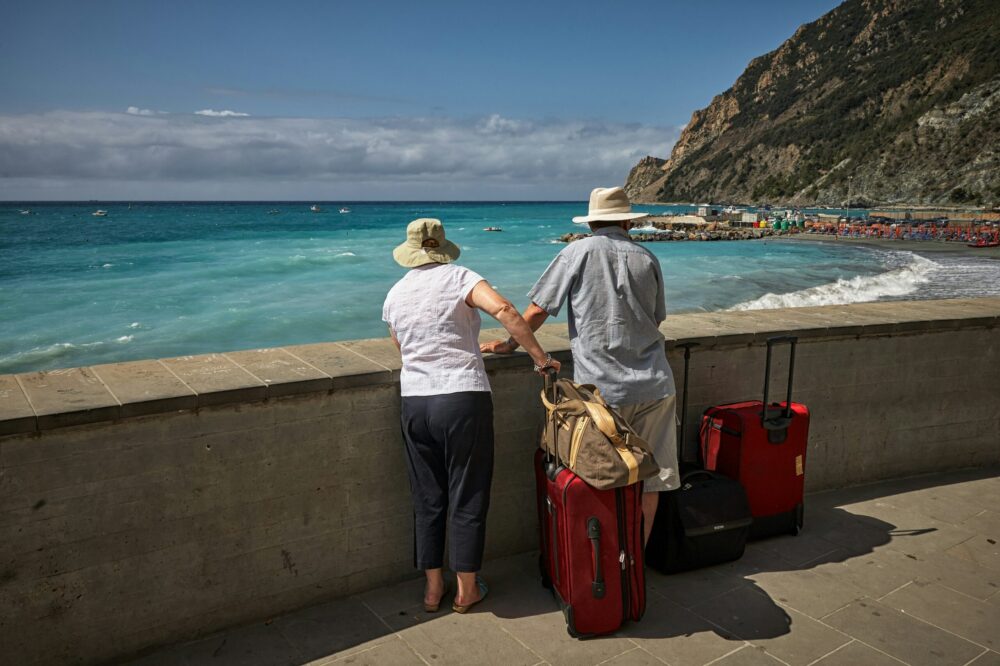
Photo by Paolo Bici on Unsplash