Table des matières:
Introduction: Exploring Paris Through Its Iconic Landmarks
Paris, the City of Light, is a treasure trove of history, art, and culture, with landmarks that tell stories spanning centuries. From medieval cathedrals to revolutionary monuments, these sites offer glimpses into the events and people that shaped France and the world. In this guide, we delve into the top historical landmarks in Paris and their stories, providing insights into their origins, significance, and the fascinating tales behind them. Whether you’re planning a visit or simply curious, understanding these landmarks enriches your appreciation of Paris’s enduring legacy.
The Eiffel Tower: A Symbol of Innovation and Controversy
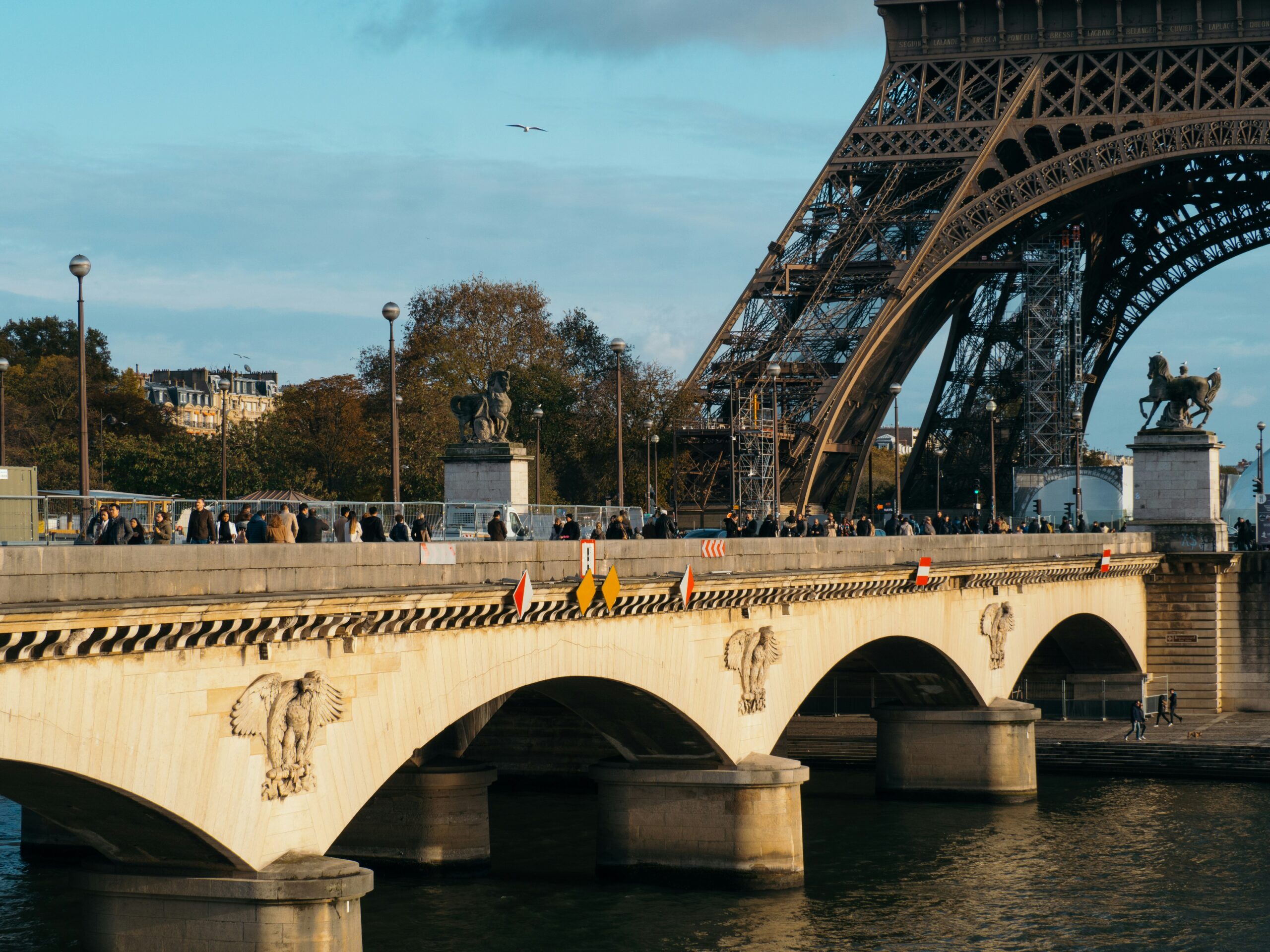
No list of historical landmarks in Paris is complete without the Eiffel Tower. Built for the 1889 World’s Fair, it was initially met with criticism from artists and intellectuals who deemed it an eyesore. Designed by Gustave Eiffel, this iron lattice tower was intended as a temporary exhibit but became a permanent fixture due to its utility in radio transmissions. Standing at 330 meters, it was the world’s tallest man-made structure until 1930. Today, it symbolizes French engineering prowess and attracts millions of visitors annually, offering panoramic views of the city.
The Construction and Design
The Eiffel Tower’s construction took just over two years, involving 300 workers and 18,038 iron pieces. Its innovative use of wrought iron allowed for a lightweight yet sturdy design, showcasing advancements in 19th-century architecture. Despite early opposition, it has become an enduring icon, featured in countless films and artworks.
Notre-Dame Cathedral: A Gothic Masterpiece and Its Resilience
Notre-Dame Cathedral, a UNESCO World Heritage site, is a prime example of French Gothic architecture and one of the most famous historical landmarks in Paris. Construction began in 1163 and took nearly 200 years to complete. The cathedral has witnessed key events in French history, including the coronation of Napoleon Bonaparte in 1804. Its stunning features include flying buttresses, rose windows, and gargoyles, which served both decorative and functional purposes.
The 2019 Fire and Restoration Efforts
In April 2019, a devastating fire caused significant damage to the roof and spire, shocking the world. However, this event highlighted the cathedral’s resilience, with global donations funding an extensive restoration project set for completion by 2024. Notre-Dame’s story is one of survival and renewal, reflecting Paris’s ability to preserve its heritage.
The Louvre Museum: From Royal Palace to World’s Largest Art Museum
The Louvre’s story begins as a medieval fortress built in the late 12th century under King Philip II. It was later transformed into a royal palace, housing French monarchs until Louis XIV moved the court to Versailles. After the French Revolution, it opened as a public museum in 1793. Today, it is the world’s largest art museum, home to masterpieces like the Mona Lisa and the Venus de Milo.
Key Artworks and Architectural Evolution
The Louvre’s collection spans over 9,000 years of history, with highlights including:
- The Mona Lisa by Leonardo da Vinci, known for its enigmatic smile.
- The Winged Victory of Samothrace, a Hellenistic sculpture.
- The Code of Hammurabi, one of the oldest legal documents.
Its glass pyramid entrance, added in 1989, blends modern design with classical architecture, symbolizing the museum’s ongoing evolution.
Arc de Triomphe: Honoring France’s Military History
Commissioned by Napoleon Bonaparte in 1806 after his victory at Austerlitz, the Arc de Triomphe stands at the western end of the Champs-Élysées. It honors those who fought and died for France in the French Revolutionary and Napoleonic Wars. The monument features intricate sculptures depicting battles and the names of generals, with the Tomb of the Unknown Soldier added in 1921 to commemorate World War I soldiers.
Symbolism and Ceremonial Significance
The Arc de Triomphe serves as a focal point for national celebrations, such as Bastille Day parades. Its design inspired similar arches worldwide, and climbing to the top offers views of Paris’s radiating avenues, designed by Baron Haussmann in the 19th century.
Sainte-Chapelle: A Hidden Gem of Stained Glass
Built in the 13th century by King Louis IX, Sainte-Chapelle is renowned for its breathtaking stained-glass windows, which depict biblical scenes in vibrant colors. It was constructed to house Christian relics, including the Crown of Thorns, and is considered a masterpiece of Rayonnant Gothic architecture. Despite damage during the French Revolution, it was restored in the 19th century.
The Relics and Architectural Details
Sainte-Chapelle’s upper chapel features 15 windows with over 1,100 scenes, creating a luminous effect that awes visitors. Its relatively small size belies its artistic impact, making it a must-see among historical landmarks in Paris for those interested in medieval art and history.
Palace of Versailles: Opulence and Revolution
Located just outside Paris, the Palace of Versailles is inextricably linked to French history. Originally a hunting lodge, it was expanded by Louis XIV into a grand palace symbolizing absolute monarchy. The Hall of Mirrors, where the Treaty of Versailles was signed in 1919, is a highlight. The palace’s lavish gardens and fountains further showcase Baroque design.
The French Revolution and Legacy
Versailles became a symbol of royal excess, contributing to the French Revolution in 1789. After the monarchy fell, it was transformed into a museum. Today, it offers insights into the lives of French royalty and the political shifts that shaped modern Europe.
Other Notable Historical Landmarks in Paris
Beyond these icons, Paris boasts numerous other sites with rich stories:
- Sacré-Cœur Basilica: Built in the late 19th century as a penance for the Franco-Prussian War, this white-domed church offers panoramic views from Montmartre.
- Les Invalides: Founded by Louis XIV as a hospital for veterans, it now houses Napoleon’s tomb and military museums.
- Panthéon: Originally a church, it became a mausoleum for distinguished French figures like Voltaire and Marie Curie.
Conclusion: The Enduring Legacy of Paris’s Landmarks
The top historical landmarks in Paris and their stories reveal a city shaped by innovation, conflict, and artistry. From the Eiffel Tower’s engineering feats to Notre-Dame’s resilience, each site offers a unique narrative that contributes to Paris’s global allure. By exploring these landmarks, visitors connect with the past while appreciating the ongoing efforts to preserve these treasures. Whether you’re marveling at Gothic architecture or reflecting on revolutionary history, Paris’s landmarks provide a profound journey through time, making them essential destinations for any traveler or history enthusiast.
Photo by Luca Dugaro on Unsplash