
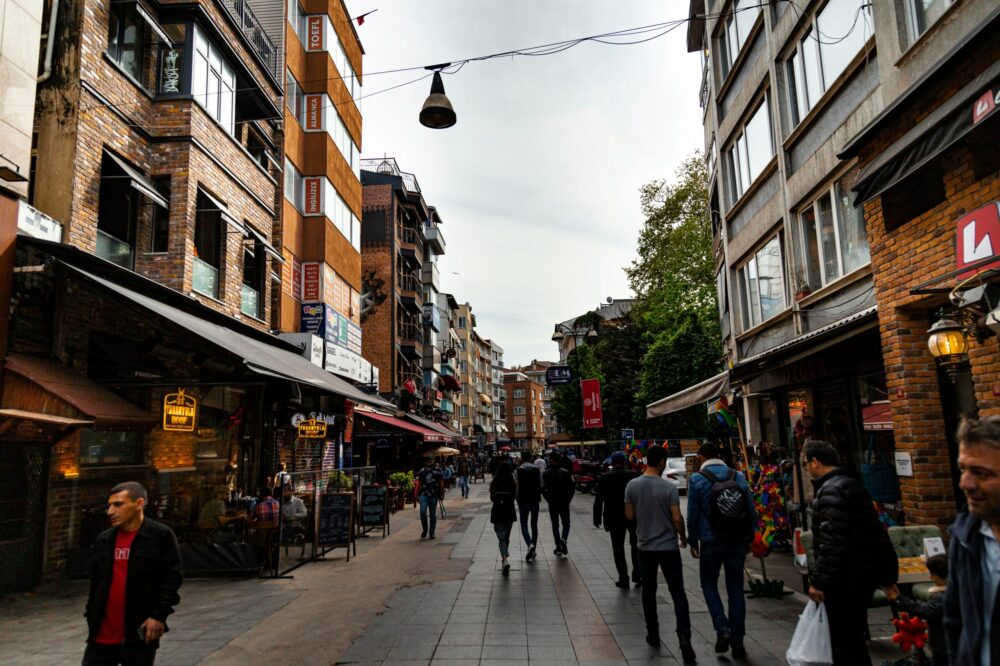
Istanbul is one of the most dynamic cities in the world, and for students, it offers a unique blend of history, culture, and modern opportunities. Whether you are considering studying at Boğaziçi University, Istanbul University, or Koç University, understanding what student life is like in Istanbul can help you prepare for an unforgettable experience. This guide covers everything from housing and costs to nightlife and transportation.
Table des matières:
Why Istanbul Attracts International Students
With over 20 million residents, Istanbul is a megacity that bridges Europe and Asia. It is home to more than 50 universities, many of which offer programs in English. The city’s rich history, from Byzantine to Ottoman empires, provides a unique backdrop for education. Students here enjoy a cosmopolitan atmosphere with a lower cost of living compared to other global cities like London or New York.
Cost of Living and Student Budgets
One of the first questions students ask is about expenses. Istanbul offers options for various budgets, but careful planning is essential.
Monthly Expenses Breakdown
| Category | Average Monthly Cost (TRY) |
|---|---|
| Rent (shared apartment) | 4,000 – 8,000 |
| Utilities (electricity, water, internet) | 1,000 – 1,500 |
| Groceries | 2,000 – 3,500 |
| Transportation (student card) | 500 – 700 |
| Entertainment & dining out | 1,500 – 3,000 |
Note: Costs vary depending on the neighborhood and lifestyle. Using a student discount card for public transport and eating at campus cafeterias can significantly reduce expenses.
Finding Accommodation in Istanbul
Housing is a major part of student life. Options include university dormitories, private hostels, and shared apartments. Dormitories are affordable but may have strict rules. Private rentals offer more freedom but require a budget for deposits and utilities. Popular student districts are Beşiktaş, Kadıköy, Şişli, and Fatih.
Tips for Renting
- Start searching 1-2 months before arrival.
- Use trusted websites like Sahibinden or consult university housing offices.
- Visit the apartment in person before signing a contract.
- Check if the rent includes utilities or maintenance fees.
Transportation and Getting Around
Istanbul’s public transport system includes metro, tram, bus, ferry, and funicular. Students can purchase an Istanbulkart (smart card) and load a monthly pass at a discounted rate. The city is huge, so plan your commute wisely. Living near your university or a metro line can save time and money.
Academic Life and Study Environment
Turkish universities often emphasize theoretical knowledge combined with practical projects. Class sizes vary: large lectures at public universities and smaller seminars at private ones. Libraries are generally well-equipped, and many campuses offer study lounges and computer labs. International students should be prepared for a mix of Turkish and English instruction, depending on the program.
Social Life, Clubs, and Activities
Student life in Istanbul extends far beyond the classroom. Universities have dozens of clubs: sports, arts, debate, entrepreneurship, and more. Joining a club is a great way to make friends and practice Turkish. The city also hosts festivals, concerts, and cultural events year-round. Popular hangout spots include Istiklal Street, Kadıköy Market, and the Bosphorus coastline.
Common Mistakes to Avoid
- Not learning basic Turkish phrases – English is not widely spoken everywhere.
- Underestimating traffic – always add extra travel time.
- Ignoring visa and residence permit deadlines – penalties can be severe.
- Staying only with international students – you miss out on local culture.
Food and Dining as a Student
Turkish cuisine is diverse and affordable. Street food like simit, döner, and balık ekmek are student staples. Many universities have subsidized cafeterias offering meals for as low as 30-50 TL. Cooking at home is also cheap if you shop at local markets (pazar). Vegetarian and vegan options are increasingly available in big cities.
Healthcare and Safety


International students must have health insurance. Public hospitals provide basic care, but private hospitals offer faster service. Istanbul is generally safe, but like any large city, be cautious in crowded areas and avoid walking alone late at night. Keep emergency numbers handy: 112 for ambulance, 155 for police.
Working While Studying
International students can work part-time with a work permit after the first year. Many students work as tutors, in cafes, or as interns. The minimum wage in 2025 is around 17,000 TL per month, but part-time jobs typically pay less. Balancing work and studies is crucial – don’t let work affect your academic performance.
Cultural Adaptation and Making Friends
Turkish people are known for their hospitality. Making local friends will enrich your experience. Learn about cultural norms: removing shoes before entering a home, using polite language, and respecting prayer times. Universities often organize orientation events and language exchange programs. Be open-minded and patient – adapting takes time.
Checklist for New Students in Istanbul
- Secure housing before arrival or book a temporary hostel.
- Apply for a student visa and residence permit.
- Get an Istanbulkart for public transport.
- Open a Turkish bank account.
- Register for university orientation.
- Download useful apps: Moovit (transport), Yemeksepeti (food delivery), Sahibinden (housing).
- Learn basic Turkish greetings and phrases.
- Explore your neighborhood and find nearby supermarkets, pharmacies, and hospitals.
Frequently Asked Questions About Student Life in Istanbul
Is it expensive to live in Istanbul as a student?
Compared to European cities, Istanbul is affordable. A student can live on 8,000-12,000 TRY per month, including rent, food, and transport.
Can I study in Istanbul without knowing Turkish?
Yes, many universities offer programs in English. However, learning Turkish will help you in daily life and social interactions.
How safe is Istanbul for international students?
Istanbul is generally safe, but students should take standard precautions: avoid isolated areas at night, keep valuables secure, and stay aware of surroundings.
What are the best student neighborhoods in Istanbul?
Beşiktaş, Kadıköy, Şişli, and Fatih are popular due to proximity to universities, transport links, and vibrant social scenes.
Can international students work part-time in Istanbul?
Yes, after the first year of study, students can apply for a work permit. Part-time jobs are available in retail, hospitality, and tutoring.
What is the nightlife like for students in Istanbul?
Istanbul has a lively nightlife with bars, clubs, and live music venues. Many places offer student discounts on certain nights. Istiklal Street and Kadıköy are nightlife hubs.
Final Recommendations for a Great Student Experience
Student life in Istanbul is what you make of it. Embrace the chaos, explore both continents, and take advantage of the city’s endless opportunities. Start your journey by connecting with other students online, planning your budget realistically, and staying curious. Istanbul will challenge you, but it will also reward you with memories and friendships that last a lifetime.
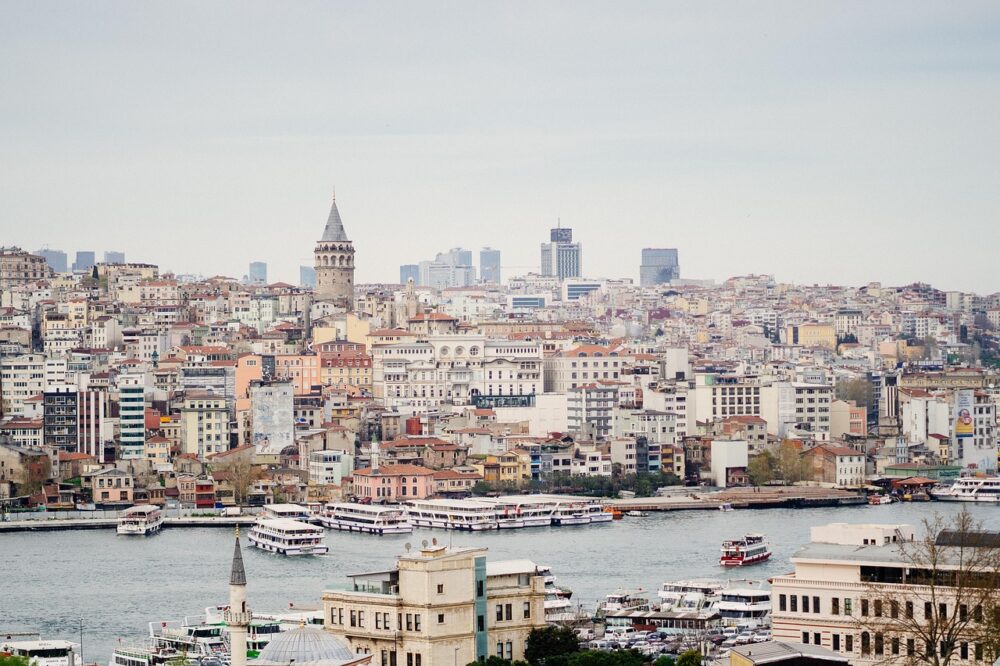
Photo by Amir Komaee on Unsplash
Thanks for the guide! One more thing: how much should I budget for health insurance?
International students must have health insurance. Private plans cost around 1,000–2,000 TRY per year, or you can use the public system for a small fee.
The cost breakdown is helpful. Can you give an example of a cheap neighborhood for students?
Fatih is one of the more affordable districts, especially near Istanbul University. Beşiktaş and Kadıköy are pricier but more central.
What about winter? Is the city still lively for students during the colder months?
Yes, Istanbul is lively year-round. Indoor activities like museums, cafes, and cultural events are abundant, and the city’s social scene continues.
The article mentions dormitories have strict rules. Can you elaborate?
Dormitories often have curfews, guest restrictions, and meal plans. They are safe and affordable, but offer less freedom compared to private rentals.
I’m worried about the language barrier. Are there many English-friendly programs?
Many universities offer full programs in English, especially at private universities like Koç and Sabancı. Public universities also have English-taught departments.
I’m considering studying at Boğaziçi University. How is the social life for international students there?
Boğaziçi has a very active international student community with clubs and events. The campus is in Bebek, close to cafes and the Bosphorus, so there’s plenty to do.
How reliable is public transport for getting to campus on time?
Istanbul’s public transport is generally reliable, but can be crowded during rush hours. Living near a metro line is recommended for punctuality.
Is it easy to find part-time work as a student in Istanbul?
International students can work up to 24 hours per week with a permit. Many find jobs in cafes, tutoring, or as research assistants.