

Table des matières:
Your Step-by-Step Guide to Applying for a Student Exchange in Istanbul
Istanbul is one of the most exciting cities for a student exchange, blending Europe and Asia, history and modernity. But how do you actually apply for a student exchange program in Istanbul? This guide walks you through every stage—from finding the right program to preparing your documents and acing the application.
Why Istanbul Stands Out for Exchange Students
Istanbul offers a unique academic and cultural experience. Home to top universities like Boğaziçi University, Koç University, and Istanbul Technical University, the city provides high-quality education in a vibrant setting. You’ll also benefit from affordable living costs compared to other major European cities, a rich history, and a dynamic social life. The city’s strategic location makes it easy to travel to other parts of Turkey and nearby countries.
Step 1: Find the Right Exchange Program
Most students participate in exchange programs through their home university’s partnerships. Check with your international office for bilateral agreements or programs like Erasmus+, Erasmus+ KA107 (for non-EU countries), or ISEP. If your university doesn’t have a direct partnership, you can explore independent exchange programs or apply directly to Turkish universities as a non-degree student.
Popular Exchange Programs for Istanbul
- Erasmus+: For EU and partner countries; covers tuition and provides a grant.
- Mevlana Exchange Program: For students from any country to study in Turkey.
- ISEP: A global network offering exchanges at Istanbul universities.
- Bilateral Agreements: Direct partnerships between your university and a Turkish institution.
Step 2: Check Eligibility and Requirements
Each program has specific criteria. Typically, you need:
- Enrollment in a degree program at your home university.
- A minimum GPA (often 2.5–3.0 on a 4.0 scale).
- Language proficiency: English (TOEFL/IELTS) or Turkish (TÖMER) depending on the program.
- Completed at least one or two semesters at your home institution.
Language Requirements: English vs. Turkish
Many Istanbul universities offer courses in English, especially at the graduate level and in engineering, business, and social sciences. For English-taught programs, you’ll need a TOEFL iBT score of around 80–90 or IELTS 6.5. If you choose Turkish-taught courses, you’ll need to provide a Turkish proficiency certificate (TÖMER) or pass a language test. Some programs offer a preparatory language year.
Step 3: Prepare Your Application Documents
Typical documents include:
- Application form (online or paper)
- Transcript of records
- Motivation letter (explain why Istanbul and your chosen field)
- Two letters of recommendation
- Language proficiency certificate
- Passport copy
- Learning Agreement (for Erasmus+ and similar programs)
How to Write a Strong Motivation Letter
Focus on your academic interests, why you chose Istanbul, and how the exchange fits your career goals. Mention specific courses or professors at the host university. Show genuine enthusiasm for the city’s culture and your adaptability. Keep it to one page, professional yet personal.
Step 4: Meet Application Deadlines
Deadlines vary by program. For Erasmus+, the internal deadline at your home university is usually in early spring (February–March) for the following academic year. For direct applications to Turkish universities, check their academic calendar; most fall semester deadlines are in April–June, spring semester in October–November. Start preparing at least six months in advance.
Important Dates Checklist
| Task | Timeline |
|---|---|
| Research programs and universities | 6–8 months before exchange |
| Take language tests | 5–7 months before |
| Prepare documents | 4–5 months before |
| Submit application | 3–4 months before |
| Apply for visa | 2–3 months before |
| Arrange housing and travel | 1–2 months before |
Step 5: Apply for a Student Visa
Once accepted, you’ll need a student visa from the Turkish embassy or consulate in your country. Requirements include:
- Valid passport (at least 6 months beyond your stay)
- Acceptance letter from the Turkish university
- Proof of sufficient funds (bank statements or scholarship letter)
- Health insurance valid in Turkey
- Completed visa application form and fee
- Biometric photos
Apply early because processing can take 4–8 weeks. After arrival, you must apply for a residence permit within 30 days.
Step 6: Arrange Housing and Logistics
Most universities offer dormitories (yurt) for exchange students, but they fill up fast. Alternatives include private apartments, shared flats, or homestays. Popular neighborhoods among students include Beşiktaş, Kadıköy, and Şişli. Budget around €200–€400 per month for rent. Also arrange travel insurance, open a Turkish bank account if needed, and get an Istanbulkart for public transport.
Common Mistakes to Avoid
- Waiting until the last minute to start the application process.
- Not checking course availability: some courses may not be offered in English.
- Underestimating visa processing times.
- Forgetting to get a residence permit upon arrival (it’s mandatory).
- Not budgeting for unexpected costs like visa fees or health checks.
Frequently Asked Questions
Can I apply for an exchange program in Istanbul if my home university has no partnership?
Yes, you can apply as a non-degree (guest) student directly to some Turkish universities, but you’ll need to secure funding yourself. Some programs like Mevlana also accept individual applications.
What is the cost of living in Istanbul for exchange students?
Monthly expenses range from €400 to €700, including rent, food, transport, and leisure. Istanbul is moderately affordable compared to Western European cities.
Do I need to speak Turkish to study in Istanbul?
Not necessarily, if your program is in English. However, learning basic Turkish will enrich your experience and help with daily life.
How competitive are exchange programs to Istanbul?
It depends on the program and university. Popular destinations like Boğaziçi can be competitive, but many universities welcome exchange students and have dedicated offices to assist.
Can I work part-time on a student visa in Turkey?
Yes, international students with a residence permit can work part-time after the first year, with a work permit from the Ministry of Labor. However, the process can be bureaucratic.
What should I do if my application is rejected?
Contact the exchange office for feedback. You may be able to reapply for the next semester or choose a different host university. Also consider alternative programs like Mevlana or direct enrollment.
Final Recommendations for a Successful Application
To apply for a student exchange program in Istanbul successfully, start early, gather strong recommendation letters, and tailor your motivation letter to the specific university. Double-check all deadlines and document requirements. Once accepted, prepare for an unforgettable experience in a city that bridges two continents. Good luck!
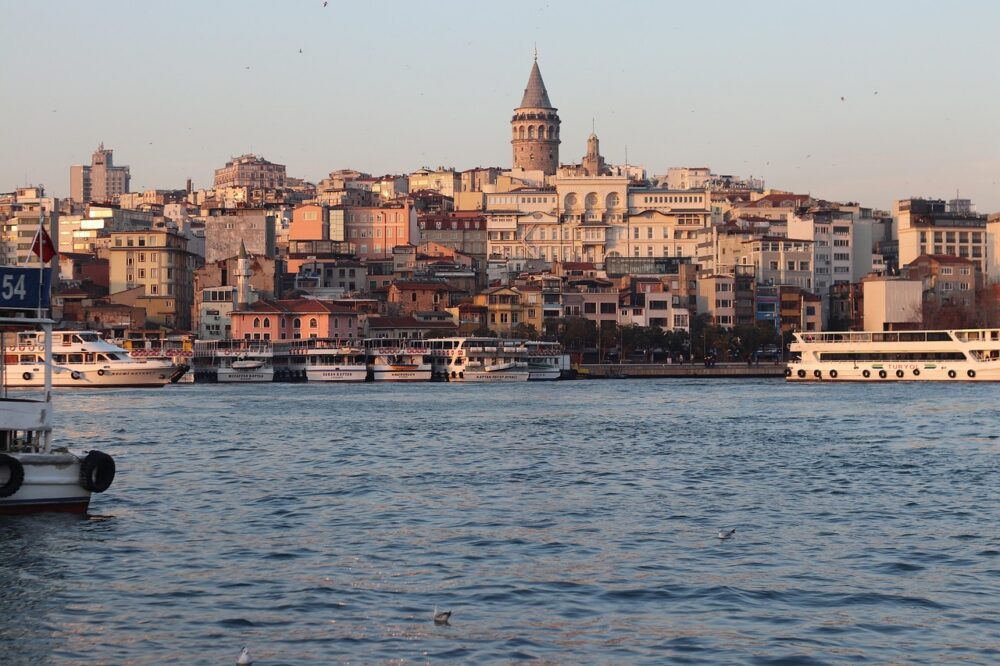
Photo by Rashed Moslem on Unsplash


Great guide! I’m applying for an exchange through Erasmus+ to Istanbul next year. For the motivation letter, how specific should I be about courses I want to take? Should I list them or just mention the field?
Thank you! For the motivation letter, it’s better to mention specific courses or professors that align with your academic goals, but you don’t need to list every course. Focus on how the exchange program’s offerings match your interests and career plans. This shows you’ve done your research and are genuinely interested.