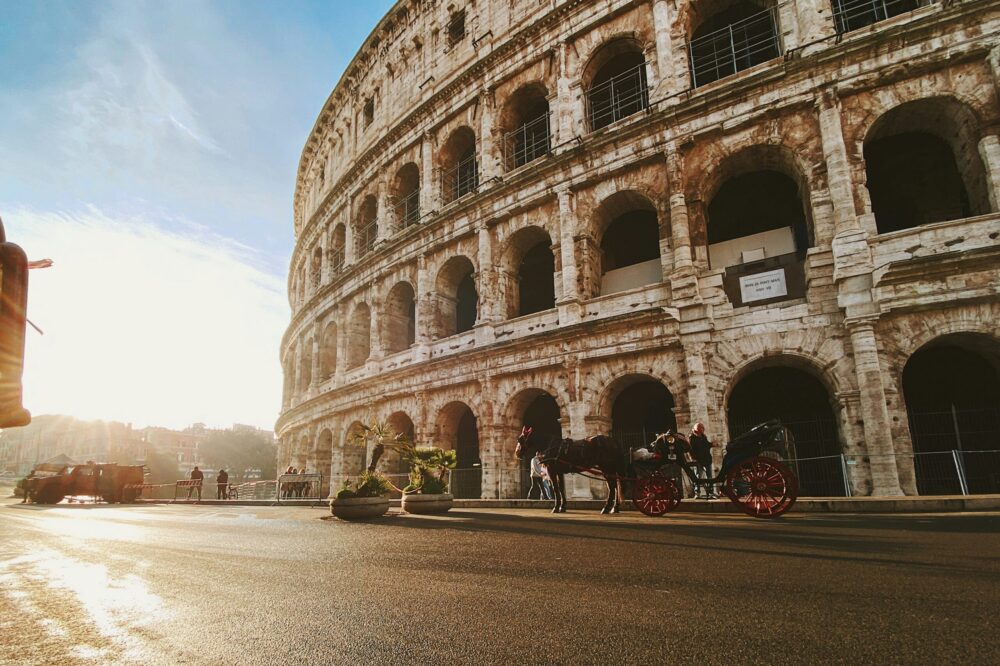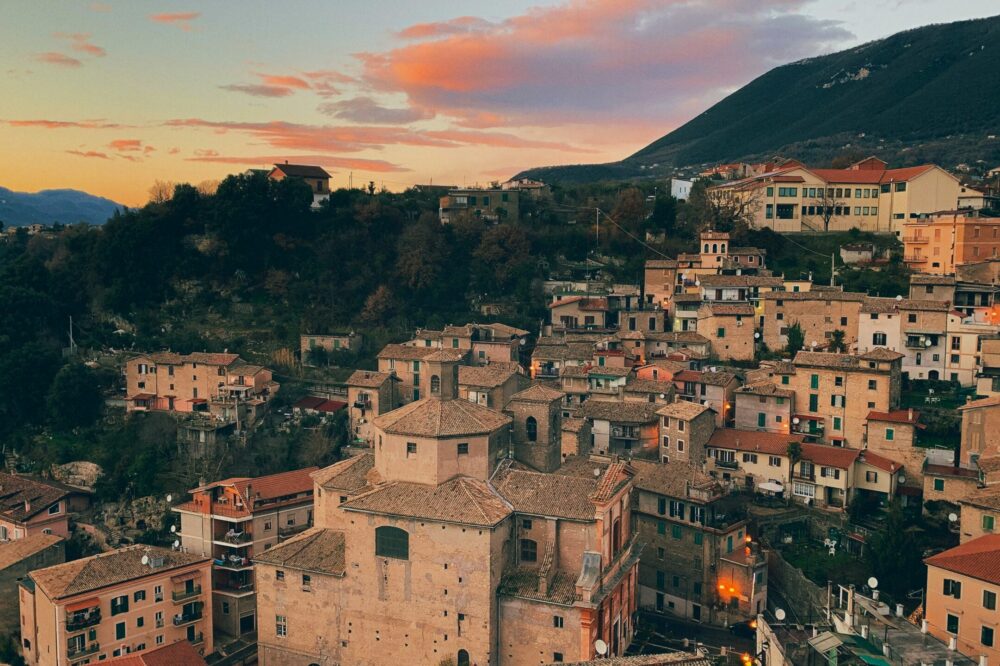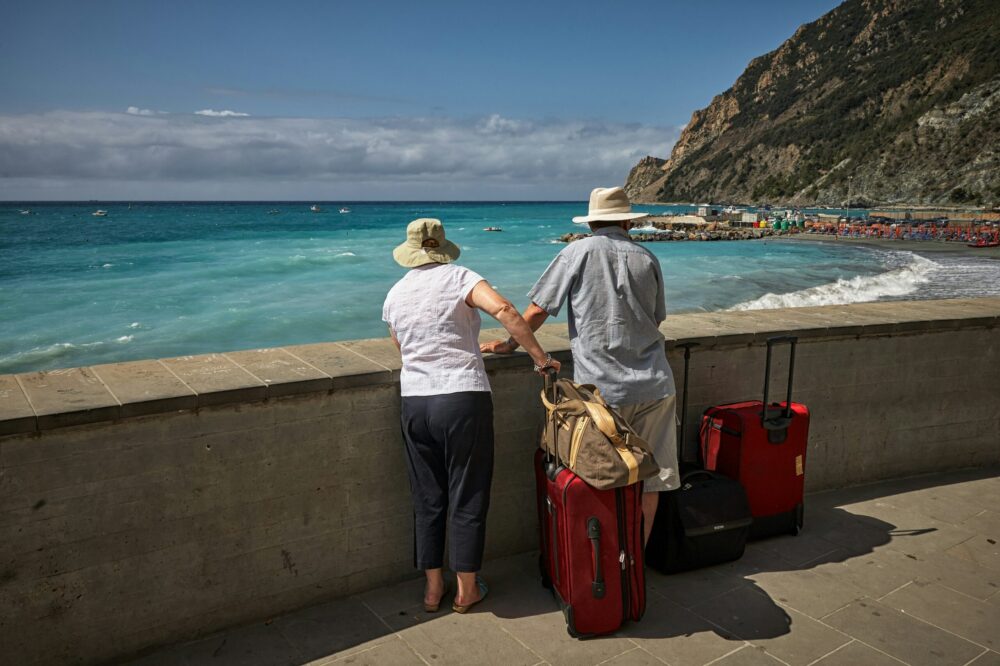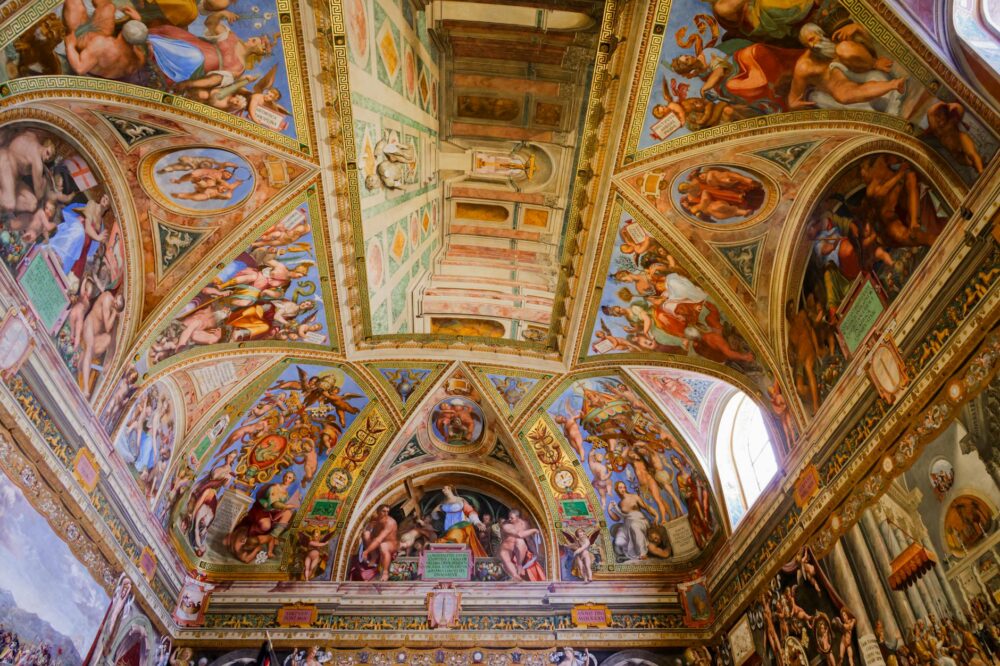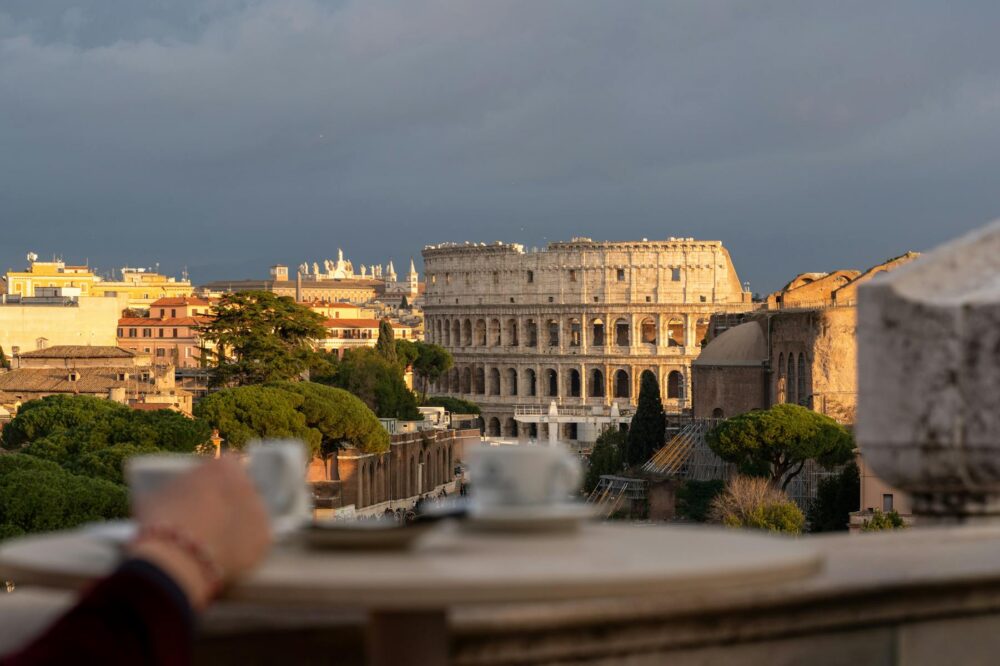
Rome, the Eternal City, captivates visitors with its ancient ruins, vibrant culture, and mouthwatering cuisine. However, exploring its top attractions and savoring authentic Italian meals can quickly add up, leaving travelers wondering how to manage their budget. Fortunately, with some strategic planning and insider knowledge, you can enjoy Rome’s wonders without overspending. In this guide, we’ll uncover the best ways to save money on attractions and dining in Rome, ensuring your trip is both memorable and affordable. From discount passes to hidden gems, these tips will help you maximize your experience while keeping costs in check.
Table des matières:
Understanding Rome’s Attraction Landscape
Rome is home to iconic sites like the Colosseum, Vatican Museums, and Roman Forum, which often come with hefty entrance fees. To save money on attractions in Rome, it’s essential to know your options. Many visitors rush to buy individual tickets, but this approach can be costly and time-consuming. Instead, consider how you can bundle visits or take advantage of special offers. By planning ahead, you can avoid long lines and high prices, making your exploration more efficient and budget-friendly.
Utilize Discount Passes and Cards
One of the most effective strategies to save money on attractions in Rome is investing in a tourist pass. These passes offer access to multiple sites at a reduced rate, often including skip-the-line privileges. Popular options include the Roma Pass and Omnia Card, which cover entry to museums, archaeological sites, and public transportation. For example, the Roma Pass provides free entry to your first two attractions and discounts on others, along with unlimited metro and bus rides. This not only cuts costs but also simplifies your itinerary, allowing you to focus on enjoying the city’s history and art.
- Roma Pass: Offers 48 or 72-hour access with free entry to select sites and transport.
- Omnia Card: Combines Vatican and Rome attractions, including St. Peter’s Basilica.
- Check validity periods and included venues to match your travel plans.
Take Advantage of Free Entry Days
Many of Rome’s state-run museums and archaeological sites offer free admission on the first Sunday of each month. This is a fantastic opportunity to save money on attractions in Rome, especially for budget-conscious travelers. Sites like the Colosseum, Palatine Hill, and Borghese Gallery participate in this initiative, though be prepared for larger crowds. To make the most of it, arrive early and prioritize must-see locations. Additionally, some attractions have reduced fees for EU citizens under 25 or over 65, so always inquire about available discounts when purchasing tickets.
Savvy Dining Strategies in Rome
Italian cuisine is a highlight of any trip to Rome, but dining out can strain your wallet if you’re not careful. To save money on dining in Rome, it’s crucial to know where and when to eat. Avoid tourist traps near major landmarks, which often charge premium prices for mediocre food. Instead, venture into local neighborhoods where authentic trattorias and pizzerias offer delicious meals at reasonable rates. By embracing local habits, such as enjoying aperitivo or opting for lunch specials, you can indulge in Rome’s culinary delights without breaking the bank.
Eat Like a Local: Trattorias and Street Food
For an authentic and affordable dining experience, seek out family-run trattorias in areas like Trastevere or Testaccio. These establishments serve hearty pasta dishes, fresh seafood, and seasonal specialties at lower prices than tourist-centric restaurants. To save money on dining in Rome, also explore street food options. Classic Roman street eats include supplì (fried rice balls), pizza al taglio (by the slice), and porchetta sandwiches, which are both delicious and budget-friendly. Grabbing a quick bite from a local vendor allows you to sample traditional flavors while keeping costs minimal.
- Look for menus in Italian and daily specials posted outside.
- Try pizza al taglio from bakeries like Antico Forno Roscioli.
- Visit local markets for fresh produce and snacks.
Leverage Aperitivo and Set Menus
Aperitivo, Italy’s pre-dinner drink tradition, is a smart way to save money on dining in Rome. Many bars offer an aperitivo hour in the early evening, where the price of a drink includes access to a buffet of snacks, such as olives, cheeses, and small pasta dishes. This can serve as a light dinner, reducing the need for a full meal later. Additionally, many restaurants provide set menus (menù fisso) for lunch, which include a starter, main course, and sometimes dessert at a fixed price. Opting for lunch instead of dinner can also lead to significant savings, as prices are often lower during the day.
Combining Attractions and Dining for Maximum Savings
To fully optimize your budget, integrate your attraction visits with dining plans. For instance, after exploring the Vatican Museums, head to the nearby Prati district for affordable lunch spots away from the crowds. Similarly, when using a discount pass for the Colosseum, plan a picnic with supplies from a local market to enjoy in a nearby park. This holistic approach not only helps you save money on attractions and dining in Rome but also enhances your cultural immersion. By blending sightseeing with culinary adventures, you’ll experience the city like a local while keeping expenses under control.
Plan Your Itinerary Wisely
Effective itinerary planning is key to saving money on attractions and dining in Rome. Group attractions by location to minimize transportation costs and time. For example, visit the Pantheon, Trevi Fountain, and Spanish Steps in one day, then dine in the surrounding Monti neighborhood. Use apps or maps to identify budget-friendly eateries near your planned stops. Booking tickets online in advance can also prevent last-minute price hikes and ensure you secure time slots for popular sites. Remember, a well-organized schedule reduces stress and allows for spontaneous discoveries without overspending.
- Cluster visits to minimize travel between sites.
- Book tickets online for discounts and skip-the-line access.
- Research restaurant reviews and prices before your trip.
Embrace Alternative Experiences
Beyond the main attractions, Rome offers numerous free or low-cost experiences that enrich your visit without straining your budget. Stroll through picturesque neighborhoods like Trastevere or the Jewish Ghetto, where you can admire architecture and soak in the atmosphere at no cost. Visit churches such as Santa Maria del Popolo or San Luigi dei Francesi, which house masterpieces by Caravaggio and are free to enter. For dining, consider cooking classes or food tours that provide value through education and tasting samples. These alternatives demonstrate that you can save money on attractions and dining in Rome while still enjoying a rich, immersive journey.
Conclusion: Enjoy Rome Affordably
Rome doesn’t have to be an expensive destination if you know how to navigate its offerings smartly. By implementing the strategies discussed, such as using discount passes, dining at local trattorias, and planning your itinerary efficiently, you can significantly reduce costs. The best ways to save money on attractions and dining in Rome involve a mix of preparation, flexibility, and a willingness to explore beyond the tourist trail. Whether you’re marveling at ancient ruins or savoring a perfect plate of pasta, these tips will help you make the most of your trip without compromising on experience. Start planning today to enjoy an unforgettable and budget-friendly adventure in the Eternal City.
Photo by Hernan Berwart on Pexels