

Toulouse, known as the aerospace capital of Europe, is also a powerhouse for academic research. With over 100,000 students and a dense network of laboratories, the city offers exceptional research opportunities across disciplines. Whether you are a prospective PhD candidate, a postdoctoral researcher, or a master’s student seeking a thesis topic, understanding what research opportunities are available at Toulouse universities is crucial. This guide covers major universities, key research areas, application processes, and practical tips to help you navigate the ecosystem.
Table des matières:
The Research Landscape in Toulouse
Toulouse hosts three major public universities—Université Toulouse 1 Capitole, Université Toulouse 2 Jean Jaurès, and Université Toulouse 3 Paul Sabatier—plus several engineering schools and institutes. The city is home to over 400 research laboratories, many affiliated with the French National Centre for Scientific Research (CNRS) and other national research organizations. The research opportunities at Toulouse universities are particularly strong in aerospace, health, artificial intelligence, and social sciences, but they extend to many other fields.
Key Research Entities
- Université Toulouse 3 Paul Sabatier (UT3): Focus on science, health, and engineering. Hosts the prestigious Laboratory of Plasma and Conversion of Energy (LAPLACE) and the Institute of Pharmacology and Structural Biology (IPBS).
- Université Toulouse 1 Capitole (UT1): Specializes in law, economics, and management. Its research centers include the Toulouse School of Economics (TSE) and the Institute of Law and Economics.
- Université Toulouse 2 Jean Jaurès (UT2): Strong in humanities, social sciences, and arts. Houses the Laboratory of Interdisciplinary Studies of Contemporary Societies (LISST) and the Centre for Anthropological Studies.
- Engineering Schools: INSA Toulouse, ENAC (civil aviation), and ISAE-SUPAERO (aeronautics) are world-renowned for applied research.
- Research Alliances: The University of Toulouse (as a federative structure) coordinates many inter-university projects and joint labs.
Top Research Fields and Opportunities
Aerospace and Aeronautics
Toulouse is a global hub for aerospace research, with strong ties to Airbus, Thales Alenia Space, and the French space agency CNES. Research opportunities include aerodynamics, propulsion, satellite systems, and space exploration. Key labs: the Institut Supérieur de l’Aéronautique et de l’Espace (ISAE-SUPAERO) and the ONERA Toulouse center. PhD positions often come with industry co-funding.
Health and Life Sciences
UT3 Paul Sabatier leads health research with its Faculty of Medicine and associated hospitals. Areas include cancer research, neuroscience, infectious diseases, and pharmacology. The Cancer Research Center of Toulouse (CRCT) and the Institute of Metabolic and Cardiovascular Diseases (I2MC) are notable. Many projects involve collaborations with the Toulouse University Hospital (CHU).
Artificial Intelligence and Data Science
The Artificial and Natural Intelligence Toulouse Institute (ANITI) is a major hub for AI research. It brings together researchers from UT3, UT1, UT2, and engineering schools. Topics include machine learning, computer vision, natural language processing, and ethical AI. ANITI offers PhD positions and visiting fellowships.
Law, Economics, and Social Sciences
UT1 Capitole’s Toulouse School of Economics (TSE) is one of the best in Europe, with research in microeconomics, game theory, and development economics. UT2 Jean Jaurès excels in sociology, anthropology, history, and linguistics. Joint projects with the CNRS are common.
Engineering and Technology
INSA Toulouse and other engineering schools offer research in materials science, civil engineering, computer science, and environmental technologies. The Laboratory for Analysis and Architecture of Systems (LAAS-CNRS) is a key player in robotics and microsystems.
How to Find Research Positions
Doctoral Programs
Most research opportunities are tied to PhD positions. Each university has its own doctoral school. For example, the École Doctorale Sciences de l’Univers (SDU2E) covers astrophysics and space sciences. Applications are typically via online portals with a research proposal and supervisor agreement. Funded positions are advertised on university websites, the CNRS job portal, and platforms like EURAXESS.
Master’s Thesis Internships
Master’s students can engage in research through internships (stage de recherche) of 4–6 months. Many labs offer projects that can lead to a PhD. Check the labs’ websites or contact professors directly.
Postdoctoral Fellowships
Postdoc opportunities are available through individual grants (e.g., Marie Skłodowska-Curie Actions, French National Research Agency) or specific lab-funded positions. The University of Toulouse also offers a postdoc program for international researchers.


Visiting Researchers
For established academics, Toulouse universities welcome visiting scholars for collaborative projects. The CNRS offers visiting positions as well.
Funding and Scholarships
Funding is available from various sources:
| Source | Type | Eligibility |
|---|---|---|
| French Ministry of Higher Education | Doctoral contracts (3 years) | All nationalities, via university selection |
| CNRS | PhD and postdoc positions | Often require French fluency for some projects |
| ANITI | AI-related PhDs | International, with English proficiency |
| European Commission (MSCA) | Postdoc fellowships | Worldwide, competitive |
| Regional grants (Occitanie) | Top-up funding | Specific to regional priorities |
Tip: Many PhD positions are fully funded (salary + benefits). Ensure you check the specific requirements for each funding scheme.
Application Process: Step-by-Step
- Identify your field and potential supervisors: Browse laboratory websites and recent publications.
- Prepare your research proposal: Align it with the lab’s ongoing projects.
- Contact professors: Send a concise email with your CV and proposal. Be persistent but polite.
- Apply to the doctoral school: Each school has specific deadlines (usually spring for a start in October).
- Secure funding: If applying for a competitive grant, follow the instructions carefully.
- Prepare for interviews: Some programs require an interview with a selection committee.
Practical Tips for International Researchers
- Language: While many labs use English, knowing French is a big plus for daily life and some administrative tasks.
- Visa: Non-EU researchers need a long-stay visa. The university’s international office usually assists.
- Housing: The CROUS offers affordable student housing, but apply early. Private rentals are available but competitive.
- Networking: Attend seminars and conferences at the Maison de la Recherche or the Université de Toulouse.
- Health insurance: Register with the French social security system; top-up insurance (mutuelle) is recommended.
Common Mistakes to Avoid
- Not researching the lab thoroughly: Tailor your application to the lab’s specific expertise.
- Ignoring deadlines: Doctoral school deadlines are strict; missing them may mean waiting a year.
- Underestimating the competition: Toulouse attracts top talent; ensure your proposal is strong.
- Neglecting soft skills: Collaboration and communication are highly valued.
Frequently Asked Questions (FAQ)
Can I do research in English at Toulouse universities?
Yes, many labs, especially in science and engineering, operate in English. However, some administrative interactions may require French. It’s advisable to learn basic French.
What research opportunities are available at Toulouse universities for international students?
International students can apply for PhD positions, master’s internships, and postdoc fellowships. Funding is available through French government scholarships, the Erasmus+ program, and specific lab grants. The University of Toulouse also has a Welcome Desk for international researchers.
How long does a PhD take in Toulouse?
A standard PhD takes 3 years, but can be extended to 4 years in some cases (e.g., interdisciplinary projects or part-time). The doctoral school monitors progress annually.
Are there research opportunities in the humanities?
Absolutely. UT2 Jean Jaurès is strong in humanities and social sciences. Labs like LISST and FRAMESPA cover history, geography, sociology, and more. Funding is available but may be more competitive.
How do I find a supervisor?
Browse lab websites, read recent publications, and attend virtual seminars. Contact potential supervisors directly with a clear research idea. Many labs also advertise open PhD positions on their sites.
What is the cost of living in Toulouse for researchers?
Toulouse is more affordable than Paris. A single person needs around €800–€1,000 per month for rent, food, and transport. Student housing (CROUS) costs €200–€400 per month. PhD salaries (net) are about €1,500–€1,800 per month, which is sufficient.
Next Steps for Aspiring Researchers
Start by exploring the websites of the universities and labs that match your interests. Prepare a strong research proposal and reach out to potential supervisors. Take advantage of the open days and online information sessions. Toulouse offers a vibrant research environment with excellent infrastructure and international collaborations. By understanding what research opportunities are available at Toulouse universities and how to access them, you can take the first step toward a rewarding academic career in one of Europe’s most dynamic cities.
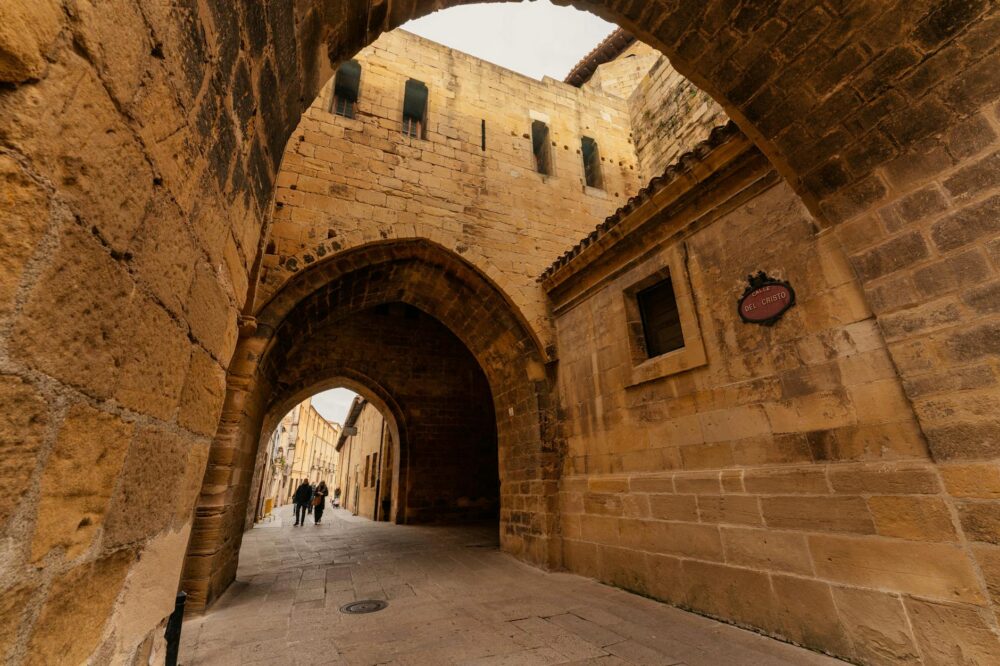
Photo by Newman Photographs on Pexels



I’m a master’s student in mechanical engineering and very interested in aerospace research. Could you elaborate on how to find PhD positions in that field at Toulouse universities?
Great question! For aerospace PhDs, start by exploring the websites of ISAE-SUPAERO, ENAC, and UT3 Paul Sabatier. They often list funded projects. Also check the French national PhD portal (ADUM) and the University of Toulouse’s job board. Many positions are co-funded by industry, so reaching out to labs like ONERA or companies like Airbus can yield opportunities.
This is very helpful, thank you. I was wondering if there are any interdisciplinary research programs that combine social sciences with aerospace, maybe at UT2?
Yes, there are! UT2 Jean Jaurès has a strong focus on humanities and social sciences, and they collaborate with aerospace entities on topics like human factors in aviation, space policy, and the societal impact of space technologies. The LISST lab and the Centre for Anthropological Studies sometimes have such projects. Also, the University of Toulouse federative structure promotes inter-university initiatives, so keep an eye on joint calls.