
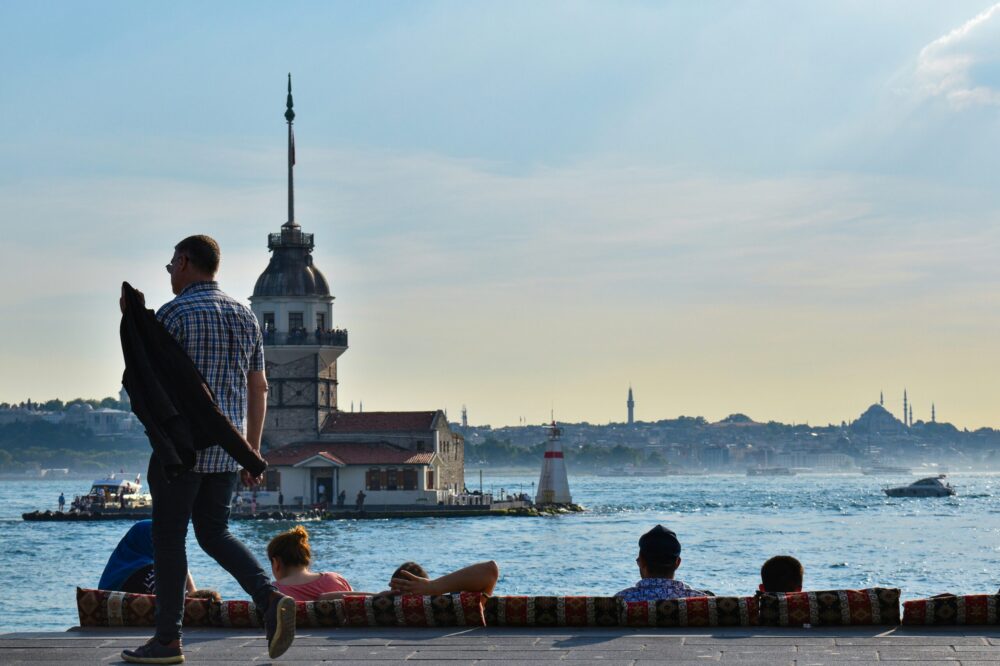
Istanbul, straddling Europe and Asia, hosts some of Turkey’s most prestigious universities. For international students considering a PhD in this vibrant metropolis, understanding the specific requirements is crucial. This guide details the doctorate admission criteria at Istanbul universities, covering general prerequisites, language proficiency, application documents, and deadlines. Whether you aim for a state university like Istanbul University or a foundation (private) institution like Koç University, the core requirements share common elements, but nuances exist.
Table des matières:
General PhD Admission Requirements in Istanbul
While each university sets its own rules, the Turkish Council of Higher Education (YÖK) mandates certain minimums. Typically, you need:
- A master’s degree (or integrated master’s for some programs) from an accredited institution.
- A minimum GPA of 3.0/4.0 or 2.5/4.0 for some programs, but competitive universities expect higher.
- A valid ALES score (Academic Personnel and Postgraduate Education Entrance Exam) for Turkish applicants; international students may substitute with GRE or GMAT, depending on the university.
- Proof of English proficiency (TOEFL, PTE, or IELTS) if the program is in English.
- For Turkish-taught programs, a valid TÖMER certificate or equivalent Turkish proficiency (usually C1 level).
- Strong letters of recommendation, a statement of purpose, and a research proposal.
ALES, GRE, or GMAT: Which Exam Do You Need?
The ALES exam is required for domestic applicants, but many Istanbul universities waive it for international students if they provide GRE (Quantitative section) or GMAT scores. Typical minimums: GRE Quantitative ≥ 155, GMAT ≥ 500, but top universities may set higher thresholds. Check specific program pages—some departments accept only ALES or require a combination.
Language Proficiency Requirements
Istanbul universities offer PhD programs in Turkish, English, or both. Language requirements vary accordingly.
| Program Language | Accepted Tests | Typical Minimum Score |
|---|---|---|
| English | TOEFL iBT, PTE Academic, IELTS Academic | TOEFL 79-100, IELTS 6.5-7.0, PTE 55-65 |
| Turkish | TÖMER or university-administered exam | C1 level (80-90/100) |
| Mixed | Both English and Turkish proficiency required | As above |
Some universities accept a medium of instruction certificate if your previous degree was taught in English. Always verify with the graduate school.
Application Documents Checklist
Prepare these documents in advance:
- Online application form (filled on the university’s portal)
- Bachelor’s and master’s degree diplomas (translated and notarized, if not in Turkish or English)
- Official transcripts
- Valid ALES/GRE/GMAT score report
- Language proficiency certificate
- Passport copy
- Statement of purpose (1-2 pages explaining research interests)
- Research proposal (2-5 pages, including objectives, methodology, and references)
- Two or three letters of recommendation from academic referees
- CV/resume highlighting academic achievements and publications
- Application fee receipt (if applicable)
Research Proposal: A Critical Component
Your research proposal is often the deciding factor. It should align with the expertise of potential supervisors. Identify faculty members whose work matches your interests and contact them before applying. A well-crafted proposal demonstrates your readiness for doctoral research.
Application Deadlines and Timeline
Istanbul universities typically have two intakes: Fall (September-October) and Spring (February-March). Deadlines vary:
- Fall intake: Applications usually open in May-June and close in July-August.
- Spring intake: Applications open in November-December and close in January.
- Some programs have rolling admissions or a third summer intake. Check specific program pages.
International students should start the process 6-8 months early to allow time for document legalization, visa application, and accommodation.
Admission Process: Step by Step
- Research programs and supervisors: Identify 2-3 options that fit your research interests.
- Prepare documents: Gather and translate all required materials.
- Take required exams: Complete language and aptitude tests well before deadlines.
- Submit online application: Fill the form and upload documents.
- Pay application fee: Usually between 100-500 TL (or waived for some).
- Interview (if required): Some departments conduct oral exams via video call.
- Receive acceptance letter: If admitted, you’ll get a conditional or unconditional offer.
- Apply for student visa: With the acceptance letter, apply at the Turkish consulate.
- Register at the university: Complete enrollment in person or online.
Top Istanbul Universities and Their PhD Requirements
Here’s a snapshot of requirements at leading institutions:
| University | Type | Key Requirements |
|---|---|---|
| Boğaziçi University | Public | GRE (Quant ≥ 155), TOEFL iBT ≥ 80, GPA ≥ 3.0, ALES for Turkish applicants |
| Koç University | Private | GRE/GMAT, TOEFL iBT ≥ 80, GPA ≥ 3.0, research proposal, interview |
| Istanbul University | Public | ALES or GRE, TOEFL iBT ≥ 79, GPA ≥ 2.5, proficiency in Turkish for Turkish programs |
| Sabancı University | Private | GRE (Quant ≥ 155), TOEFL iBT ≥ 80, GPA ≥ 3.0, statement of purpose |
| İstanbul Technical University | Public | ALES or GRE (Quant ≥ 155), TOEFL iBT ≥ 80, GPA ≥ 2.5, research proposal |
Public vs. Private Universities: What’s Different?
Public universities (e.g., Boğaziçi, Istanbul University) have lower tuition fees but may require ALES even for international students in some cases. Private universities (e.g., Koç, Sabancı) have higher fees but often offer generous scholarships and more flexible requirements. Both are equally respected.
Scholarships and Funding Opportunities
International PhD students in Istanbul can apply for:
- Türkiye Scholarships: Government-funded covering tuition, accommodation, health insurance, and monthly stipend. Requires excellent academic record.
- University scholarships: Many private universities offer merit-based full or partial scholarships. Koç University, for example, provides full tuition plus stipend for PhD students.
- Research assistantships: Some departments offer teaching or research assistant positions that cover tuition and provide a salary.
- External funding: TÜBİTAK (Scientific and Technological Research Council of Turkey) supports international researchers.
Common Mistakes to Avoid When Applying
- Ignoring the research proposal: A generic or poorly aligned proposal is a red flag. Tailor it to each university.
- Missing deadlines: Late applications are usually rejected. Use a calendar with reminders.
- Not contacting supervisors: Securing a faculty member’s support before applying greatly increases your chances.
- Overlooking language requirements: Some programs require a higher score than the minimum. Aim for the 75th percentile.
- Submitting incomplete documents: Double-check the checklist. Missing transcripts or recommendation letters can delay your application.
Frequently Asked Questions
1. Is ALES required for international PhD applicants?
Not always. Many Istanbul universities accept GRE or GMAT instead. Some programs may waive the exam entirely if you have relevant research experience. Check the specific department’s policy.
2. Can I apply for a PhD without a master’s degree?
Generally, no. A master’s degree is mandatory. However, integrated PhD programs (combined master’s and doctorate) exist for outstanding bachelor’s graduates, but they are rare and highly competitive.
3. How long does a PhD in Istanbul take?
Typically 4 years (8 semesters) for full-time students. This includes coursework, qualifying exams, thesis proposal, and dissertation defense. Extensions up to 2 additional years are possible.
4. Do I need to know Turkish to study a PhD in English?
Not for admission, but learning basic Turkish is highly recommended for daily life. Some programs require a Turkish language course during the first year.
5. Can I work while doing a PhD in Istanbul?
International students with a residence permit can work part-time (up to 24 hours per week) after the first year, but it’s not advisable during intensive coursework. Research assistantships are a better option.
6. What is the cost of a PhD in Istanbul?
Public university tuition ranges from 200 to 1,000 USD per year for international students. Private universities charge 10,000-25,000 USD per year, but scholarships often cover full tuition. Living expenses are around 400-600 USD per month.
Practical Advice for a Successful Application
Start early—ideally a year before your intended intake. Research potential supervisors, read their publications, and craft a compelling research proposal. Prepare for interviews by practicing answers about your research interests and motivation. Ensure all documents are translated into English or Turkish by a sworn translator. After acceptance, apply for a student visa immediately, as processing can take 8-12 weeks. Join online forums or social media groups for international PhD students in Istanbul to get real-life tips. Finally, be patient and persistent—the PhD journey is demanding, but Istanbul offers a unique academic and cultural experience that makes it worthwhile.
Photo by Batu Gezer on Unsplash



I am an international student with a master’s degree in engineering. I noticed that some Istanbul universities require ALES for Turkish applicants but accept GRE for internationals. Do you know if the GRE subject test is required or just the general test?
Most Istanbul universities ask for the general GRE test, specifically the Quantitative section. Subject tests are rarely required for engineering PhDs, but it’s best to check the specific program page. Some competitive programs may recommend a subject test, but it’s not standard.
I see that a research proposal is required. Is there a specific format or length expected by Istanbul universities? I want to make sure mine is appropriate before submitting.
Most Istanbul universities expect a research proposal of 2-5 pages, including objectives, methodology, and references. Some provide a template on their website. It’s best to follow the specific guidelines of your target program. Keep it focused and realistic, showing your understanding of the field.
Thanks for the detailed guide! I’m planning to apply to Boğaziçi University. Their website says TOEFL minimum 79, but my score is 78. Is there any flexibility, or should I retake the test?
Universities typically enforce minimum scores strictly, so retaking the test is advisable. However, you could contact the graduate school to ask about conditional acceptance or if they accept other proof of English proficiency, but don’t count on exceptions. Aim for at least 80 to be safe.