
Table des matières:
Understanding Homesickness as an International Student in Amsterdam
Moving to Amsterdam for your studies is an exciting adventure, but it’s normal to feel waves of homesickness. You’re not alone—many international students experience this mix of longing and loneliness. Homesickness isn’t a sign of weakness; it’s a natural response to leaving your familiar environment. The key is to acknowledge it and take proactive steps to build a new sense of belonging.
Homesickness often manifests as sadness, anxiety, or a persistent focus on what you’ve left behind. In Amsterdam, the cultural differences, language barrier, and academic pressure can amplify these feelings. But with the right strategies, you can transform your experience and even grow from it.
Why Does Homesickness Hit So Hard in Amsterdam?
Amsterdam is a vibrant, international city, but it can also feel overwhelming. The Dutch directness, the bike-centric culture, and the rainy weather might add to your discomfort. Common triggers include:
- Cultural differences: Dutch directness can feel blunt if you’re from a more indirect culture.
- Language barrier: Even though many Dutch speak English, not understanding local conversations can isolate you.
- Academic pressure: New grading systems, group work styles, and expectations can stress you out.
- Social isolation: Making friends from scratch takes time, especially in a transient student population.
- Weather and daylight: Grey skies and short winter days can affect your mood.
Recognizing these triggers is the first step to managing homesickness. Instead of fighting it, you can adapt with practical tools.
Immediate Actions to Ease Homesickness
1. Create a Comfort Routine
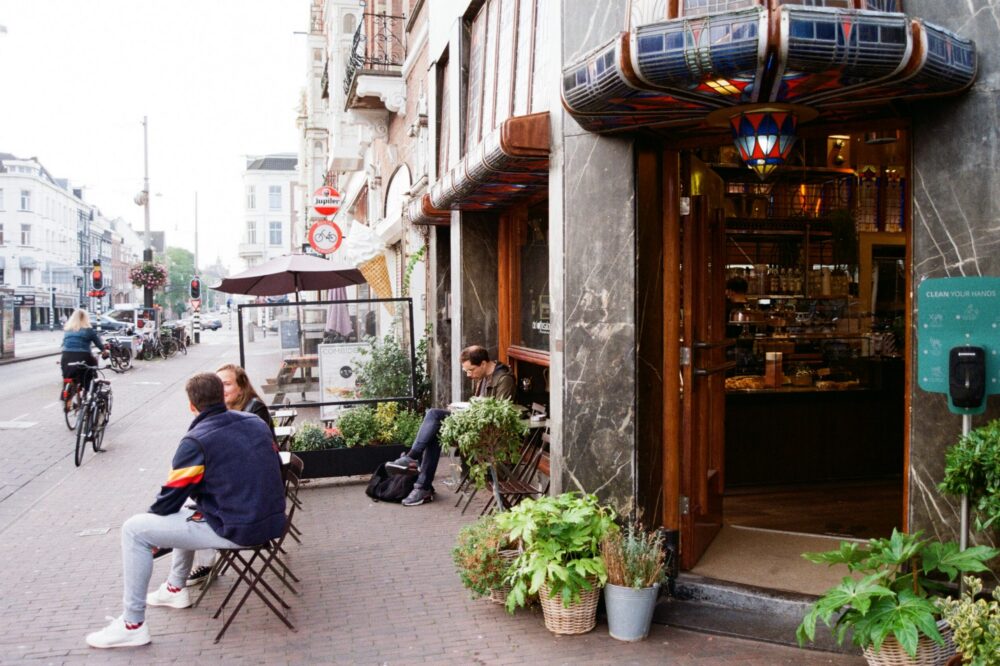
Small rituals can ground you. Make your room cozy with familiar items like photos, a favorite blanket, or a scented candle. Establish a daily routine that includes self-care: a morning coffee at a local café, a walk along the canals, or a call home at a set time. Routine provides stability when everything else feels new.
2. Stay Connected—But Set Boundaries
Regular contact with family and friends back home is important, but too much can delay your adjustment. Schedule video calls once or twice a week instead of daily. This allows you to be present in Amsterdam while still nurturing those bonds. Use apps like WhatsApp or Zoom, but also explore local ways to connect.
3. Get Out of Your Room
Isolation worsens homesickness. Force yourself to explore your neighborhood. Visit a park like Vondelpark, grab a stroopwafel at a market, or join a free walking tour. Even 20 minutes outside can lift your spirits. Amsterdam is walkable and bike-friendly—use that to your advantage.
Building a New Social Circle in Amsterdam
One of the best antidotes to homesickness is forming new connections. Here’s how to meet people:
- Join student organizations: Your university likely has clubs for sports, arts, or international students. Check the ESN (Erasmus Student Network) for events.
- Attend meetups: Websites like Meetup.com list groups for hiking, board games, photography, or language exchange. You’ll find people with similar interests.
- Use apps: Bumble BFF or Facebook groups for international students in Amsterdam can help you find friends.
- Volunteer: Volunteering at a local food bank or animal shelter connects you with Dutch locals and other expats.
- Study in common areas: Instead of staying in your room, study at the university library or a coffee shop. You might meet classmates.
Remember, friendships take time. Be patient and keep showing up.
Practical Checklist: Settling into Amsterdam Life
| Task | Why It Helps | Tip |
|---|---|---|
| Register with the municipality (BRP) | Gives you legal status and access to services | Make an appointment at the Stadsloket |
| Open a Dutch bank account | Makes daily life easier (e.g., paying rent) | Try bunq or ING for English support |
| Get a local SIM card | Stay connected without high roaming fees | Providers like Lebara or T-Mobile offer student plans |
| Learn basic Dutch phrases | Shows respect and helps in daily interactions | Use Duolingo or take a free course at your university |
| Explore your neighborhood | Builds familiarity and confidence | Find your nearest supermarket, pharmacy, and park |
| Join a sports club or gym | Boosts mood and social connections | Check Student Sports Amsterdam for affordable options |
Mistakes to Avoid When Dealing with Homesickness
Many students inadvertently prolong their homesickness by falling into these traps:
- Comparing your experience to others: Everyone adjusts at their own pace. Social media highlight reels aren’t reality.
- Isolating yourself: Staying in your room watching Netflix from home might feel safe, but it delays adaptation.
- Relying too much on comfort from home: Constant calls or care packages can make you focus on what you’re missing.
- Ignoring your physical health: Poor sleep, junk food, and lack of exercise worsen mood.
- Not seeking help: If homesickness becomes overwhelming, talk to a counselor. Universities offer free mental health services.
When Homesickness Becomes More: Recognizing Depression



It’s important to distinguish between normal homesickness and clinical depression. Signs that you may need professional support include:
- Persistent sadness for more than two weeks
- Loss of interest in activities you once enjoyed
- Changes in appetite or sleep
- Difficulty concentrating on studies
- Thoughts of self-harm or hopelessness
If you experience these, contact your university’s student psychologist or a general practitioner (huisarts). In Amsterdam, you can visit the GGD or Mind Korrelatie for online support.
How to Make Amsterdam Feel Like Home
Transforming a foreign city into your home takes intentional effort. Here are long-term strategies:
- Create traditions: Establish a weekly ritual, like Friday night borrel (Dutch drinks) with friends or Sunday morning market visits.
- Explore beyond the tourist spots: Discover hidden courtyards (hofjes), local festivals, or neighborhood cafes. The more you explore, the more ownership you feel.
- Learn about Dutch culture: Understanding why the Dutch do things a certain way reduces frustration. Read about their history, try bitterballen, and celebrate Sinterklaas.
- Set personal goals: Whether it’s biking without crashing, speaking a Dutch sentence, or visiting all the museums, goals give you purpose.
- Embrace the weather: Invest in a good raincoat and waterproof shoes. The Dutch say, “Er is geen slecht weer, alleen slechte kleding” (There’s no bad weather, only bad clothing).
Resources for International Students in Amsterdam
You don’t have to navigate homesickness alone. These resources are here to help:
- University support services: Most universities have international student offices, counseling, and workshops on culture shock.
- Erasmus Student Network (ESN) Amsterdam: Organizes social events, trips, and buddy programs.
- IAmsterdam Student Portal: Offers practical guides on housing, health, and student life.
- Expat Center Amsterdam: Helps with visas, registration, and settling in.
- Online communities: Facebook groups like “International Students in Amsterdam” or “Amsterdam Expats” are great for advice and meetups.
Frequently Asked Questions About Homesickness in Amsterdam
How long does homesickness typically last for students in Amsterdam?
For most students, homesickness peaks during the first month and gradually fades within 3-6 months. However, it can return during holidays or stressful periods. If it persists beyond six months, consider seeking support.
Can I visit home during the semester to ease homesickness?
Short visits can help, but they may also disrupt your adjustment. If you go, plan return activities to look forward to in Amsterdam. Many students find that staying put and building local connections is more effective in the long run.
What should I do if I feel lonely despite being surrounded by people?
Loneliness is about quality, not quantity of connections. Try deeper conversations with classmates or join a smaller club. Volunteering or a hobby group can foster meaningful bonds.
Is it normal to feel homesick even if I love Amsterdam?
Absolutely. You can love the city and still miss home. Homesickness is about missing familiarity, not disliking your new environment. Give yourself permission to feel both.
How can I handle homesickness during Dutch holidays when everything is closed?
Plan ahead. Create your own celebration with friends, cook a traditional meal from home, or explore the quiet city. Many museums and parks remain open on holidays.
When should I see a professional about homesickness?
If your feelings interfere with daily life—like skipping classes, avoiding social contact, or feeling hopeless—reach out to a counselor. It’s a sign of strength, not failure.
Your Next Steps: Embrace the Journey
Homesickness is a natural part of studying abroad, but it doesn’t define your experience. By taking small, consistent actions—connecting with others, exploring your surroundings, and caring for your well-being—you can turn Amsterdam into a place that feels like home. Remember, every international student has walked this path. You have the resilience to thrive here. Start with one step today: join that club, say yes to that invitation, or simply take a deep breath and smile at the canals. You’ve got this.
Photo by Maryna Nikolaieva on Unsplash

Thanks for mentioning the ESN—I joined their events and it made a huge difference. Also, the tip about creating a comfort routine with familiar items really works. I brought my favorite mug and it feels like home.
That’s wonderful to hear! Little things like a familiar mug can be surprisingly powerful. And ESN events are great for meeting other internationals who are in the same boat. Keep building those small rituals—they really do ground you.
I’m from a culture where people are very indirect. The Dutch directness has made me feel really awkward. How do I get used to it?
It takes time! Remember that Dutch directness isn’t meant to be rude—it’s just efficient. Try to see it as honest communication. You can also politely say something like, ‘In my culture, we might phrase it differently, but I appreciate your honesty.’ Over time, you’ll adapt.
This article really helped me understand why I’ve been feeling so down. The tip about setting boundaries with calls home is something I hadn’t considered. I was calling every day and it made me miss home more. Thanks!
Glad it helped! Daily calls can actually prolong homesickness because you stay mentally ‘at home.’ Limiting to once or twice a week lets you engage more with your new life in Amsterdam.
I’m struggling with the academic pressure on top of homesickness. Any advice on managing both?
It’s a lot to handle. First, talk to your study advisor or student counselor—they can offer support. Break tasks into smaller steps and set a daily schedule that includes time for self-care. Also, consider joining a study group; it helps with both academics and social connection.
This guide is spot on. The part about exploring your neighborhood even for 20 minutes really helped me. I started walking to a different café each morning and now I feel more at home.
That’s a perfect example of how small actions add up. Those daily walks not only lift your mood but also help you discover hidden gems in Amsterdam. Before you know it, you’ll have your own favorite spots and a sense of belonging.
The weather here really gets to me. Any suggestions for coping with the lack of sun?
You’re not alone—many students struggle with the grey skies. Try light therapy lamps (available at drugstores) or take vitamin D supplements. Also, make an effort to get outside during daylight hours, even if it’s cloudy. A brisk walk can boost your mood.
I’ve been here for two months and still feel lonely. Is that normal? I thought I’d be over it by now.
Absolutely normal. Homesickness doesn’t have a set timeline—some people feel it for months. The key is to keep taking small steps: explore a new neighborhood each week, or try a hobby you enjoyed back home. It gets easier as you build routines and connections.
What if you’re an introvert and find it really hard to join student organizations? Any tips for making friends without forcing myself into big groups?
Great question! Start small: visit a local library or join a study group at your faculty. Apps like Meetup can help you find low-pressure events, like board game nights or book clubs. Even a regular coffee shop where you chat with the barista can build a sense of belonging.