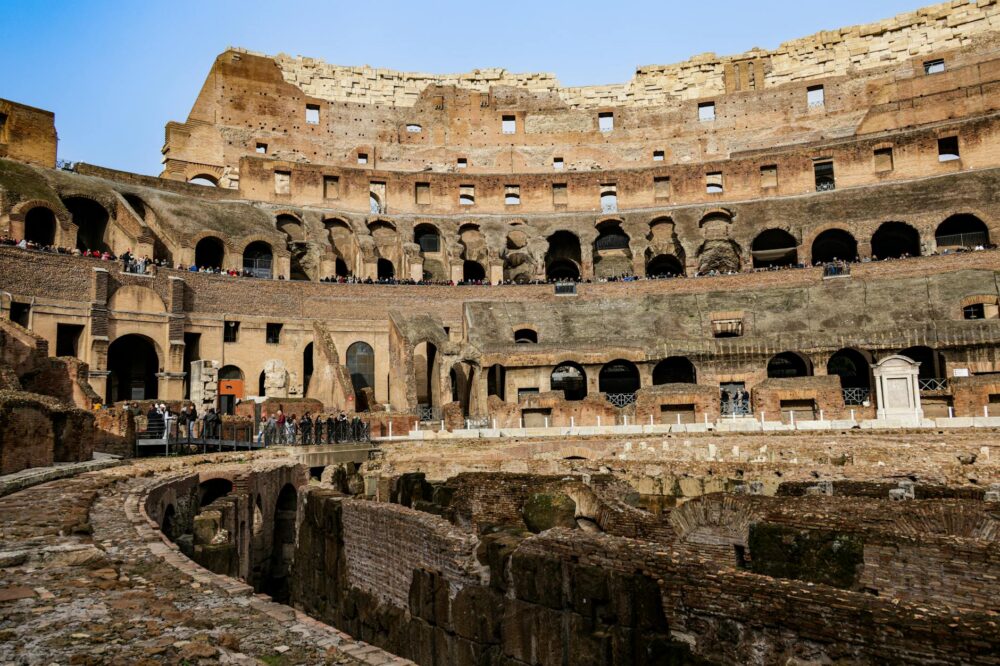
When planning a trip to Rome, the Colosseum inevitably tops every visitor’s list. This iconic amphitheater, with its gladiatorial history and architectural grandeur, rightfully captures the imagination. However, focusing solely on the Colosseum means missing out on the rich tapestry of ancient Roman civilization that extends far beyond this single monument. For travelers and history enthusiasts wondering what are the must-see ancient Roman sites besides the Colosseum, Italy and beyond offer a wealth of archaeological treasures that provide deeper insights into Roman life, engineering, and culture. From sprawling forums to remarkably preserved cities, these sites reveal the complexity and reach of the Roman Empire.
Table des matières:
Why Explore Ancient Roman Sites Beyond the Colosseum?
The Colosseum represents one aspect of Roman society—public entertainment and imperial power. To truly understand ancient Rome, you need to explore sites that showcase daily life, governance, religion, and innovation. Visiting these additional locations offers a more comprehensive view of how Romans lived, worked, and worshipped. It also helps avoid the crowds often found at the Colosseum, allowing for a more immersive experience. Whether you’re in Rome itself or venturing to other parts of Italy, these sites answer the question of what are the must-see ancient Roman sites besides the Colosseum with historical depth and visual splendor.
Essential Ancient Roman Sites in Rome
Rome itself is an open-air museum, with ruins integrated into the modern cityscape. Beyond the Colosseum, these sites are easily accessible and fundamental to any Roman itinerary.
The Roman Forum: The Heart of Ancient Rome
Adjacent to the Colosseum, the Roman Forum was the center of political, religious, and social life in ancient Rome. Walking through its ruins, you can envision the bustling activity that once defined the empire’s capital. Key highlights include:
- The Temple of Saturn, one of the oldest sacred structures.
- The Arch of Titus, commemorating military victories.
- The Curia Julia, where the Senate met to govern.
This site is a must-see for understanding the administrative and ceremonial core of Rome, making it a top answer to what are the must-see ancient Roman sites besides the Colosseum.
Palatine Hill: Where Rome Began
Overlooking the Roman Forum, Palatine Hill is steeped in mythology as the birthplace of Rome, where Romulus and Remus were said to be found. It later became the preferred residential area for emperors and aristocrats. Visitors can explore:
- The Flavian Palace, an imperial residence with panoramic views.
- The House of Augustus, featuring well-preserved frescoes.
- Extensive gardens and archaeological layers.
Palatine Hill offers a glimpse into the luxurious lifestyles of Rome’s elite, complementing the public spectacle of the Colosseum.
The Pantheon: A Marvel of Engineering
Although later converted into a church, the Pantheon remains one of the best-preserved ancient Roman buildings. Its massive dome, with an oculus that allows light to flood the interior, demonstrates advanced architectural techniques. Originally a temple to all gods, it highlights Roman religious practices and engineering prowess. Its continuous use over centuries makes it a unique site among ancient Roman ruins.
Baths of Caracalla: Ancient Roman Leisure
These public baths, built in the 3rd century AD, were more than just places for bathing; they were social hubs with libraries, gardens, and gymnasiums. The sprawling ruins give a sense of the scale and opulence of Roman public works. Exploring the Baths of Caracalla reveals how Romans valued leisure and community, adding another dimension to the question of what are the must-see ancient Roman sites besides the Colosseum.
Ancient Roman Sites Outside Rome
Venturing beyond Rome uncovers sites that showcase the empire’s expansion and regional diversity. These destinations are perfect for day trips or longer excursions.
Pompeii and Herculaneum: Frozen in Time
The eruption of Mount Vesuvius in 79 AD preserved these cities under ash, offering an unparalleled snapshot of daily Roman life. Pompeii is larger, with streets, homes, and public buildings intact, while Herculaneum features better-preserved organic materials like wood and food. Key attractions include:
- The Villa of the Mysteries in Pompeii, with vivid frescoes.
- Herculaneum’s waterfront, where skeletons were found.
- Ancient bakeries, baths, and theaters in both sites.
These cities provide a tangible connection to Roman citizens, making them essential for anyone exploring ancient Roman sites beyond the Colosseum.
Ostia Antica: Rome’s Ancient Port
Located near Rome, Ostia Antica was the harbor city that supplied the capital with goods. Its well-preserved ruins include apartment blocks, warehouses, temples, and a theater, illustrating urban life in a commercial hub. Unlike the grand monuments in Rome, Ostia Antica feels like a lived-in city, offering insights into trade and everyday activities. It’s a less crowded alternative that enriches understanding of Roman infrastructure.
Hadrian’s Villa in Tivoli: An Imperial Retreat
Emperor Hadrian’s sprawling villa complex in Tivoli is a masterpiece of Roman architecture and landscape design. It features replicas of buildings from across the empire, reflecting Hadrian’s travels and eclectic tastes. Highlights include the Maritime Theatre and Canopus, showcasing innovative water features and artistic styles. This site demonstrates personal imperial expression beyond public monuments like the Colosseum.
Lesser-Known Gems for Ancient Roman History
For those seeking off-the-beaten-path experiences, these sites offer unique perspectives on Roman history without the crowds.
The Appian Way: Ancient Rome’s Highway
The Appian Way, one of the earliest and most important Roman roads, is lined with tombs, catacombs, and ruins. Walking or cycling along its original stones allows you to trace the route used by armies and traders. Nearby catacombs, such as those of San Callisto, reveal early Christian history intertwined with Roman times. It’s a serene way to explore Roman engineering and funerary practices.
Aqueduct Park: Engineering Mastery
This park in Rome features the remains of ancient aqueducts that supplied water to the city. The towering arches, such as those of the Aqua Claudia, highlight Roman hydraulic innovation. It’s a peaceful spot to appreciate the technical skills that sustained urban life, answering what are the must-see ancient Roman sites besides the Colosseum with a focus on utility and design.
Paestum: Greek and Roman Fusion
While originally a Greek colony, Paestum in southern Italy was later incorporated into the Roman Republic. Its well-preserved temples, like those of Hera and Athena, show Greek architectural influence, while Roman additions include a forum and amphitheater. This site illustrates cultural blending in the ancient world, offering a broader historical context beyond purely Roman sites.
Tips for Visiting Ancient Roman Sites
To make the most of your exploration of ancient Roman sites beyond the Colosseum, consider these practical suggestions:
- Plan ahead: Check opening hours and ticket availability, especially for popular sites like Pompeii.
- Use guided tours or audio guides to gain deeper historical insights.
- Wear comfortable shoes, as many sites involve walking on uneven terrain.
- Combine visits: For example, pair the Roman Forum with Palatine Hill for a full day in Rome.
- Respect the ruins by not touching fragile structures and following site rules.
These tips ensure a safe and enriching experience as you discover what are the must-see ancient Roman sites besides the Colosseum.
Conclusion: Expanding Your Roman Adventure
The Colosseum is undeniably a cornerstone of Roman history, but it’s just the beginning of a journey into the ancient world. By exploring sites like the Roman Forum, Pompeii, and Hadrian’s Villa, you gain a fuller appreciation of Roman civilization—from its political centers and engineering feats to daily life and cultural exchanges. These destinations answer the question of what are the must-see ancient Roman sites besides the Colosseum with diversity and depth, offering something for every type of traveler. Whether you’re a history buff or a casual visitor, venturing beyond the iconic amphitheater will enrich your understanding and leave you with lasting memories of Rome’s enduring legacy. Start planning your trip today to uncover these hidden treasures and experience the full scope of ancient Roman heritage.
Photo by Magda Ehlers on Pexels