Rome, the Eternal City, is a treasure trove of ancient history, stunning art, and vibrant culture, attracting millions of visitors each year. With so much to see, from iconic landmarks like the Colosseum to hidden gems in charming neighborhoods, planning your trip can feel overwhelming. A common question travelers ask is: how many days do you need to see the main attractions in Rome? The answer depends on your interests, pace, and travel style, but with careful planning, you can experience the highlights efficiently. In this guide, we’ll break down the essential sights and provide detailed itineraries to help you decide the perfect duration for your Roman adventure, ensuring you make the most of your time without feeling rushed.
Table des matières:
Understanding Rome’s Main Attractions
Before determining how many days you need, it’s crucial to identify what constitutes the main attractions in Rome. These are the must-see sites that define the city’s rich heritage and are often top priorities for first-time visitors. They include ancient ruins, religious landmarks, and artistic masterpieces that span centuries of history. By focusing on these key spots, you can create a balanced itinerary that covers the essentials while leaving room for spontaneous discoveries.
Key Ancient Sites
Rome’s ancient history is showcased in its well-preserved ruins, which offer a glimpse into the glory of the Roman Empire. The Colosseum, an iconic amphitheater that hosted gladiatorial contests, is a top attraction that requires advance booking to avoid long lines. Nearby, the Roman Forum and Palatine Hill provide insights into daily life and politics in ancient Rome, with sprawling archaeological sites to explore. These areas are interconnected, so visiting them together in one day is efficient. Other notable ancient sites include the Pantheon, a marvel of engineering with its massive dome, and the Spanish Steps, though more modern, are steeped in history. When planning how many days you need to see the main attractions in Rome, allocate at least a full day for these ancient wonders to appreciate their scale and significance.
Vatican City Highlights
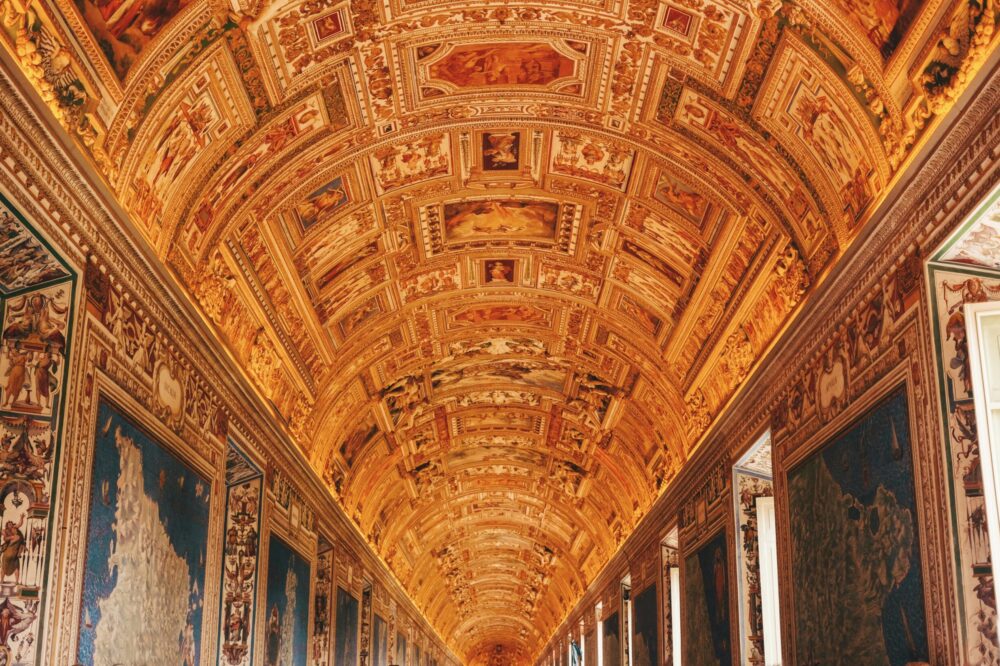
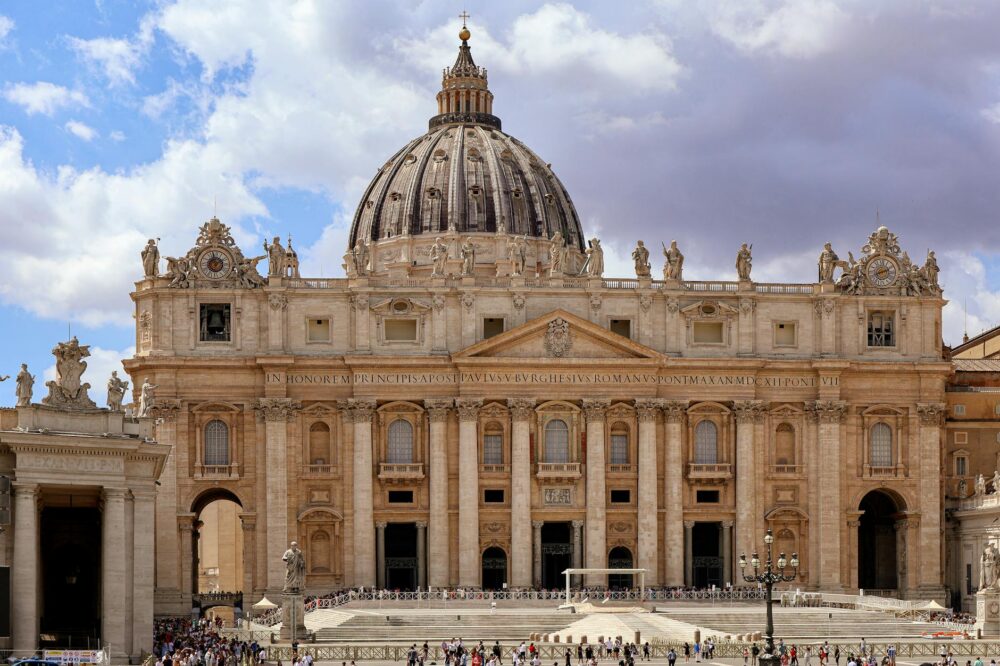
As an independent city-state within Rome, Vatican City is home to some of the world’s most renowned artistic and religious sites. St. Peter’s Basilica, with its breathtaking architecture and Michelangelo’s Pietà, is a must-visit, and climbing to the dome offers panoramic views of the city. The Vatican Museums house an immense collection, including the Sistine Chapel, famous for Michelangelo’s ceiling frescoes. Due to the crowds and extensive exhibits, exploring Vatican City thoroughly requires a dedicated day. Many visitors wonder how many days they need to see the main attractions in Rome, and including Vatican City in your itinerary adds at least one full day to cover its highlights without rushing.
Other Essential Attractions
Beyond ancient ruins and Vatican City, Rome boasts other key attractions that enrich your experience. The Trevi Fountain, a Baroque masterpiece, is a popular spot for tossing a coin and making a wish. The Piazza Navona, with its elegant fountains and vibrant atmosphere, is perfect for a leisurely stroll. For art lovers, the Borghese Gallery offers a stunning collection of sculptures and paintings in a beautiful villa setting. These sites are often more accessible and can be combined in a day of exploring Rome’s historic center. When calculating how many days you need to see the main attractions in Rome, consider these as part of a broader cultural immersion.
Recommended Itineraries Based on Time
To help you plan effectively, we’ve outlined sample itineraries for different durations, from a short visit to a more extended stay. Each itinerary is designed to answer the question of how many days you need to see the main attractions in Rome by prioritizing key sites while allowing for flexibility. Adjust based on your preferences, such as adding more time for museums or leisurely meals.
3-Day Itinerary: A Whirlwind Tour
If you have only three days, you can cover the absolute essentials, though it will be fast-paced. This itinerary is ideal for those with limited time who want a taste of Rome’s highlights. Start with Day 1 focusing on ancient Rome: visit the Colosseum, Roman Forum, and Palatine Hill in the morning, then explore the Pantheon and Trevi Fountain in the afternoon. On Day 2, dedicate it to Vatican City: tour St. Peter’s Basilica and the Vatican Museums, including the Sistine Chapel. Day 3 can cover the historic center: see the Spanish Steps, Piazza Navona, and Castel Sant’Angelo, with time for a gelato break. While three days answer how many days you need to see the main attractions in Rome minimally, it requires efficient scheduling and early starts to avoid crowds.
- Day 1: Colosseum, Roman Forum, Palatine Hill, Pantheon, Trevi Fountain
- Day 2: St. Peter’s Basilica, Vatican Museums, Sistine Chapel
- Day 3: Spanish Steps, Piazza Navona, Castel Sant’Angelo, local cuisine sampling
5-Day Itinerary: A Balanced Experience
With five days, you can explore Rome’s main attractions more thoroughly and at a relaxed pace. This duration is often recommended for first-time visitors, as it allows deeper immersion without feeling overwhelmed. Days 1-3 can follow the 3-day itinerary, but with more time at each site. Add Day 4 for additional ancient sites like the Baths of Caracalla or a trip to the Appian Way for a glimpse of Roman engineering. Day 5 can be reserved for the Borghese Gallery and a stroll through Trastevere, a charming neighborhood known for its authentic atmosphere. This plan shows how many days you need to see the main attractions in Rome comfortably, with room for unexpected discoveries.
- Day 4: Baths of Caracalla, Appian Way, catacombs tour
- Day 5: Borghese Gallery (book in advance), Trastevere exploration, evening food tour
7-Day Itinerary: An In-Depth Exploration
For those who want to delve deeper into Rome’s culture and history, seven days is ideal. This extended stay answers how many days you need to see the main attractions in Rome comprehensively, including lesser-known gems. Follow the 5-day itinerary, then use Days 6 and 7 for day trips or specialized interests. Visit Ostia Antica, an ancient port city, or Tivoli for its stunning villas and gardens. Alternatively, spend time in neighborhoods like Testaccio for food markets or attend a cooking class to learn Roman cuisine. With a week, you can balance iconic sights with local experiences, making your trip unforgettable.
- Day 6: Day trip to Ostia Antica or Tivoli
- Day 7: Neighborhood exploration (e.g., Testaccio), cooking class, souvenir shopping
Factors Influencing Your Ideal Duration
When deciding how many days you need to see the main attractions in Rome, consider these factors to tailor your trip. Your travel style, interests, and logistical aspects all play a role in determining the perfect length. By assessing these elements, you can create a personalized itinerary that maximizes enjoyment and minimizes stress.
Travel Pace and Interests
Your preferred pace greatly affects how many days you need. Fast travelers who enjoy packed schedules might cover highlights in three days, while leisurely visitors who savor each site could spend a week or more. Art enthusiasts may want extra time at museums like the Borghese Gallery, whereas history buffs might prioritize ancient ruins. Also, consider if you enjoy walking tours, which can efficiently cover multiple attractions, or prefer self-guided exploration at a slower rhythm. Reflecting on these aspects helps answer how many days you need to see the main attractions in Rome based on your unique preferences.
Season and Crowds
The time of year impacts your visit duration due to crowd levels and weather. Peak seasons like summer bring larger crowds, meaning longer wait times at popular sites, so you might need an extra day to accommodate delays. In contrast, off-peak seasons like winter offer shorter lines but shorter daylight hours, potentially requiring more days to see everything. Check opening hours and book tickets in advance to optimize your time. This consideration is key when planning how many days you need to see the main attractions in Rome, as it affects efficiency and comfort.
Practical Tips for Efficient Visiting
To make the most of your time, regardless of how many days you have, follow these practical tips. Book tickets online for major attractions like the Colosseum and Vatican Museums to skip lines. Use public transportation or walking to navigate between sites, as Rome’s historic center is compact. Start early in the morning to avoid peak crowds and heat. Incorporate breaks for Italian coffee or gelato to stay energized. By planning ahead, you can efficiently see the main attractions in Rome, whether you’re on a tight schedule or have more flexibility.
Conclusion: Finding Your Perfect Rome Itinerary
In summary, the question of how many days you need to see the main attractions in Rome has no one-size-fits-all answer, but with careful planning, you can design an itinerary that suits your needs. For a quick overview, three days can cover the essentials, while five days offers a more balanced experience, and seven days allows for in-depth exploration. Remember to factor in your interests, travel pace, and seasonal conditions when deciding. By prioritizing key sites like the Colosseum, Vatican City, and historic piazzas, you’ll create lasting memories in this magnificent city. Start planning today to ensure your Roman holiday is as enriching and enjoyable as possible, and you’ll soon discover why Rome continues to captivate visitors from around the world.
Photo by C1 Superstar on Pexels