
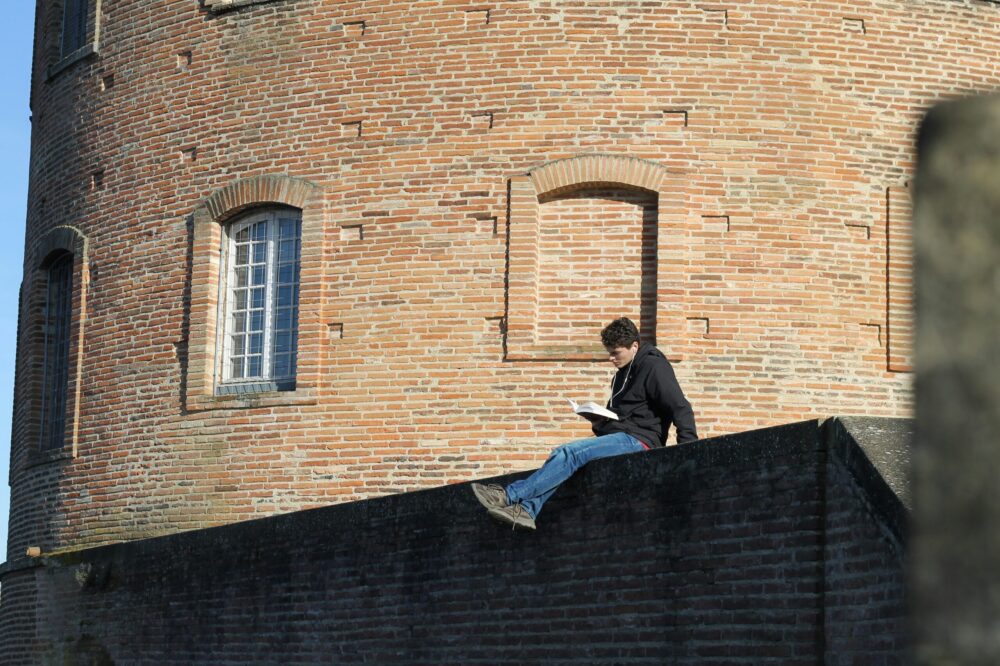
Toulouse, known as La Ville Rose for its distinctive terracotta brick architecture, is a city that invites exploration on foot. But is Toulouse truly a walkable city for visitors and residents alike? The short answer is yes, especially in its compact historic core. With pedestrian-friendly streets, well-connected public transport for longer distances, and a layout that rewards strolling, Toulouse is one of France’s most accessible cities for walkers. This guide breaks down everything you need to know about walking in Toulouse, from the best neighborhoods to explore on foot to practical tips for navigating the city without a car.
Table des matières:
Why Toulouse Is Considered a Walkable City
Toulouse’s city center is remarkably compact. The historic core, bounded by the Garonne River and the Canal du Midi, is dense with narrow, winding streets that are often closed to cars. Most major attractions—from the Capitole to the Basilica of Saint-Sernin—are within a 20-minute walk of each other. The city’s flat terrain also makes walking easy and pleasant, without the steep hills found in cities like Lyon or Marseille.
According to walkability metrics, Toulouse scores highly for pedestrian infrastructure. The city has invested heavily in pedestrian zones, bike lanes, and public squares. In 2023, the city center was further pedestrianized, creating more space for walkers and reducing traffic in key areas. For a city of its size (population around 500,000 in the city proper), Toulouse offers a walkable experience comparable to smaller European towns.
Key Walkable Neighborhoods in Toulouse
Capitole to Esquirol: The Historic Heart
Start at Place du Capitole, the central square surrounded by the iconic Capitole building. From here, pedestrian streets like Rue d’Alsace-Lorraine and Rue Saint-Rome lead south toward Place Esquirol. This area is packed with shops, cafes, and historic buildings. Walking from Capitole to Esquirol takes about 10 minutes, but you’ll likely spend much longer exploring side streets.
Tip: Rue Saint-Rome is one of the oldest streets in Toulouse and is entirely pedestrian. Don’t miss the covered market at Marché Victor Hugo (a 5-minute walk from Capitole) for local produce and snacks.
Saint-Cyprien: The Left Bank Charm
Cross the Pont Neuf to reach the Saint-Cyprien district on the west bank of the Garonne. This neighborhood offers a more residential feel with local markets, the Abattoirs Museum, and the Prairie des Filtres park along the river. Saint-Cyprien is less crowded than the center but still well-connected by foot via the bridges. Walking from Capitole to Saint-Cyprien takes about 15 minutes.
Carmes and the Latin Quarter
South of Esquirol lies the Carmes district, known for its narrow streets, independent boutiques, and the Marché des Carmes (a lively covered market). This area is a joy to explore on foot, with hidden courtyards and quiet squares. The nearby Latin Quarter, home to the University of Toulouse, adds a youthful energy with affordable eateries and bookshops.
Saint-Étienne and the Cathedral Quarter
East of Capitole, the Saint-Étienne neighborhood centers around the Cathedral of Saint-Étienne. This area is quieter but charming, with elegant townhouses and small gardens. Walking from Capitole to the cathedral takes about 10 minutes.
How Walkable Are the Main Attractions?
Most of Toulouse’s top sights are within a comfortable walking radius. Here’s a quick overview:
| Attraction | Walking Time from Capitole | Notes |
|---|---|---|
| Basilica of Saint-Sernin | 10 minutes | UNESCO World Heritage site |
| Musée des Augustins | 8 minutes | Fine arts museum |
| Pont Neuf | 5 minutes | Bridge with river views |
| Canal du Midi | 15 minutes | Scenic walking path along the canal |
| Jardin des Plantes | 20 minutes | Botanical garden |
| Cité de l’Espace | Not walkable (30 min by metro) | Space theme park, requires transport |
As the table shows, nearly all central attractions are within a 20-minute walk. The main exception is the Cité de l’Espace, located in the eastern suburbs, which is best reached by metro (line A) or bus.
Pedestrian Infrastructure and Safety
Toulouse has invested significantly in pedestrian-friendly infrastructure. The city center features extensive pedestrian zones, especially around Rue d’Alsace-Lorraine, Rue Saint-Rome, and Place du Capitole. Crosswalks are well-marked, and traffic lights give pedestrians ample time to cross. The city is also relatively flat, with no major hills to contend with.
Safety is generally excellent. The historic center is well-lit at night, and police patrol regularly. However, as in any city, be mindful of pickpockets in crowded areas like markets and tourist spots. Stick to main streets if walking late at night, though the center remains lively until late evening.
Walking vs. Public Transport: When to Use Each
While walking is the best way to explore the core, Toulouse’s public transport network complements walking perfectly. The metro (two lines, A and B) is efficient for covering longer distances, such as from the city center to the suburbs or to the Cité de l’Espace. The tram and buses fill gaps, and all are wheelchair accessible.
When to walk: For any destination within 2 km (about 25 minutes on foot), walking is usually faster than waiting for public transport, especially during peak hours when metro stations can be crowded.
When to use public transport: For destinations beyond the city center, such as the Airbus plant (Blagnac) or the Saint-Cyprien outskirts, take the metro or tram. Also, if you’re tired or carrying heavy bags, the metro is a welcome alternative.
Walking Tours and Self-Guided Routes
To make the most of walking in Toulouse, consider a guided walking tour or follow a self-guided route. Many locals recommend starting at Place du Capitole, then heading to the Basilica of Saint-Sernin, continuing to the Musée des Augustins, and finishing along the Garonne River at the Pont Neuf. This loop takes about 2 hours without stops, but plan for a half-day if you want to explore museums and markets.



Self-guided route checklist:
- Start: Place du Capitole (take photos)
- Walk: Rue Saint-Rome to Place Esquirol (shopping)
- Detour: Marché Victor Hugo (taste local specialties)
- Visit: Basilica of Saint-Sernin (10-min walk north)
- Walk: Through the Latin Quarter to the Garonne
- End: Pont Neuf and Prairie des Filtres park
Another popular route is the Canal du Midi walk, starting near the Port de la Daurade. The canal’s tree-lined banks offer a peaceful stroll away from traffic, with benches and cafes along the way.
Practical Tips for Walking in Toulouse
- Wear comfortable shoes: The streets are paved with cobblestones in some areas, so sturdy footwear is essential.
- Stay hydrated: Toulouse can get hot in summer (30°C+), so carry water. Public fountains are available in parks and squares.
- Use a map or app: While the center is easy to navigate, a smartphone map helps with side streets. Download offline maps to avoid data charges.
- Be weather-aware: Rain is common in spring and fall. Pack a compact umbrella or rain jacket.
- Take breaks: Toulouse has many squares with outdoor seating. Stop for a coffee or a glass of wine at a café terrace.
- Watch for bikes: Toulouse has extensive bike lanes, and cyclists can be fast. Stay on sidewalks and look both ways before crossing bike paths.
Common Mistakes to Avoid When Walking in Toulouse
Even though Toulouse is walkable, visitors sometimes make errors that reduce their enjoyment. Here are pitfalls to avoid:
- Underestimating distances: While the center is compact, walking from the train station (Matabiau) to the Capitole takes about 20 minutes. If you have luggage, consider the metro one stop.
- Skipping the side streets: Main thoroughfares are fine, but the charm of Toulouse lies in its hidden courtyards and quiet lanes. Don’t stick only to the big roads.
- Ignoring the riverbanks: The Garonne riverbanks offer some of the best walking paths, especially at sunset. Many visitors miss them.
- Not using pedestrian crossings: Jaywalking is common but risky. Always cross at designated crosswalks, as drivers may not expect pedestrians in the middle of the block.
- Overplanning: The best walks are spontaneous. Leave room to explore without a strict itinerary.
Walkability for Different Travelers
Solo Travelers
Toulouse is safe and easy to navigate alone. The city’s compact size means you can cover a lot on foot without feeling overwhelmed. Solo walkers will enjoy the vibrant street life and numerous cafes perfect for people-watching.
Families with Children
Walking with kids is manageable, but be prepared for tired legs. The Jardin des Plantes and Prairie des Filtres have playgrounds where children can run. Strollers are fine on main streets but can be tricky on cobblestones. Consider using the metro for longer distances if needed.
Seniors and Visitors with Mobility Issues
The city center is mostly flat, but cobblestones and uneven pavements can be challenging. Public transport is wheelchair accessible, and many buses have ramps. The metro has elevators at most stations. For a less strenuous visit, focus on the area around Place du Capitole, which has smooth surfaces and plenty of benches.
Frequently Asked Questions
Is Toulouse a walkable city for tourists?
Yes, Toulouse is highly walkable for tourists. The main attractions are clustered within a small area, and the pedestrian-friendly streets make exploring on foot enjoyable and efficient.
How long does it take to walk across Toulouse city center?
Walking from the northern edge of the historic center (near Saint-Sernin) to the southern edge (near the Jardin des Plantes) takes about 30 minutes. East to west (from the Canal du Midi to the Garonne) takes about 20 minutes.
What is the best walking route in Toulouse?
A popular route starts at Place du Capitole, goes through Rue Saint-Rome to Esquirol, then to the Basilica of Saint-Sernin, and ends along the Garonne riverbanks at Pont Neuf. This covers the main sights and offers variety.
Is Toulouse safe to walk at night?
Yes, the city center is generally safe at night, with well-lit streets and active nightlife. However, exercise caution in quieter areas and avoid poorly lit alleys. Stay in main streets and squares.
Do I need a car in Toulouse?
No, you do not need a car in Toulouse. The city center is walkable, and public transport connects to outlying areas. Parking is expensive and scarce, so walking or using the metro/tram is recommended.
What are the best walkable neighborhoods in Toulouse?
The best walkable neighborhoods include the Capitole area, Saint-Cyprien, Carmes, and Saint-Étienne. Each has its own character and is easily explored on foot.
Final Thoughts on Walking in Toulouse
Toulouse is undeniably a walkable city, especially its historic center. With its compact layout, pedestrianized streets, and flat terrain, it rewards those who explore on foot. Whether you’re visiting for a weekend or staying longer, walking is the best way to discover the pink city’s charm, from its grand squares to its hidden courtyards. While some attractions require public transport, the core experience of Toulouse is best enjoyed at a walking pace. So lace up your walking shoes, grab a map, and let the streets of La Ville Rose guide you.

I’m planning a trip to Toulouse and wondering about the walkability for someone with limited mobility. Are the pedestrian streets and sidewalks generally accessible for wheelchair users?
Toulouse has made efforts to improve accessibility, but some historic streets have uneven cobblestones. The main pedestrian zones around Capitole and Esquirol are mostly flat and have curb cuts. For longer distances, the metro and buses are wheelchair accessible. I’d recommend checking specific routes and attractions in advance for any barriers.
Great article! I walked from Capitole to Saint-Cyprien last year and loved the river views. One thing I noticed is that some crosswalks near the Pont Neuf can be a bit tricky with traffic. Do you have any tips for crossing safely?
Thank you! Yes, the Pont Neuf can be busy. Always use the marked crosswalks and wait for the pedestrian signal. The city has been adding more pedestrian islands and countdown timers. Also, consider using the nearby footbridge at Passerelle de la Daurade for a quieter crossing with great views.