
Table des matières:
Your Culinary Compass to Toulouse
Toulouse, known as La Ville Rose for its terracotta brick architecture, is a paradise for food lovers. The city’s gastronomy is deeply rooted in the rich agricultural traditions of the Occitanie region. If you’re wondering what are the must-see locations in Toulouse for foodies, this guide will take you from the iconic covered market to the cozy wine bars where locals unwind. Prepare to taste cassoulet, duck confit, and violets in every imaginable form.
Why Toulouse is a Foodie Haven
The culinary scene here is a blend of rustic peasant dishes and refined French techniques. The key ingredients—duck, goose, beans, tomatoes, and garlic—are celebrated in signature dishes like cassoulet, a slow-cooked bean stew with duck confit and Toulouse sausage. But beyond the classics, a new generation of chefs is reinventing Occitan cuisine with modern twists. The city’s vibrant markets, artisanal producers, and passionate restaurateurs make it a top destination for culinary travelers.
Must-See Foodie Locations in Toulouse
1. Marché Victor Hugo: The Heart of Toulouse’s Food Scene
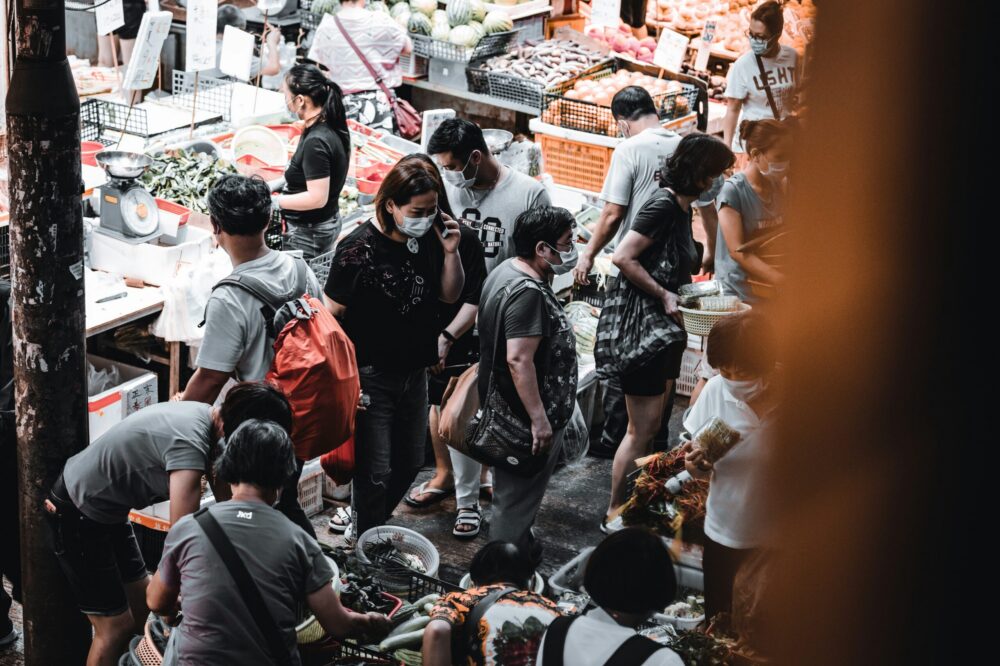
No visit to Toulouse is complete without exploring Marché Victor Hugo. This covered market, dating back to the 19th century, is a feast for the senses. Stalls overflow with fresh produce, cheeses, olives, and charcuterie. Upstairs, you’ll find several restaurants where you can sample local specialties. Try the cassoulet at Chez Émile or the duck confit at Le Genty Magre. The market is open Tuesday to Sunday mornings; arrive early to avoid crowds and get the best picks.
2. Rue des Filatiers: A Street of Gastronomic Delights
This narrow street in the historic center is lined with restaurants, from traditional cassoulet houses to innovative bistros. Don’t miss Le Bibent, a Belle Époque brasserie with a stunning interior and a menu that celebrates local produce. For a lighter bite, Frenchie offers a daily changing menu based on market ingredients. Rue des Filatiers is also where you’ll find some of the best foie gras and duck confit in town.
3. Les Abattoirs: Museum and Market
The former slaughterhouse now houses the Musée d’Art Moderne et Contemporain, but on weekends, its courtyard transforms into a food market. Here, you can taste organic produce, craft beer, and street food from local vendors. The atmosphere is lively, with live music and cooking demonstrations. It’s a perfect spot for a Sunday brunch or an afternoon snack.
4. The Canal du Midi: Picnic Perfection
For a scenic food experience, head to the banks of the Canal du Midi. Pick up supplies from Marché Victor Hugo or a local bakery, and enjoy a picnic under the plane trees. The canal is ideal for a leisurely stroll or bike ride, and you’ll find several guinguettes (riverside cafes) serving wine and small plates. Don’t forget to try a fougasse, a traditional Provencal bread, or a gâteau à la broche, a spit cake that’s a local specialty.
5. The Violets of Toulouse: A Unique Sweet Treat
Toulouse is famous for its violets, which are used in candies, syrups, and even ice cream. Visit La Maison de la Violette for a tasting, or stop by Pâtisserie Conté for violet macarons and chocolate. The violet flavor is delicate and floral, and it’s a must-try for anyone with a sweet tooth.
Practical Tips for Foodie Explorations
- Timing: Markets are best visited in the morning. Lunch is typically served from 12:00 to 14:00, and dinner from 19:30 onwards. Many restaurants close on Sundays and Mondays.
- Reservations: Popular spots like Chez Émile and Le Bibent require reservations, especially on weekends.
- Budget: A three-course meal at a mid-range restaurant costs around €30–€40 per person. Market snacks can be as low as €5–€10.
- Language: While many menus are in French, staff in tourist areas often speak English. Learning a few French phrases like “Je voudrais…” (I would like…) can enhance your experience.
Common Mistakes to Avoid
Overplanning: Don’t try to visit every market in one day. Focus on Marché Victor Hugo and one other location per day. Skipping the specialties: Cassoulet and duck confit are heavy, but they define Toulouse cuisine. Share a dish if needed. Ignoring local wines: Pair your meal with a Fronton or Gaillac wine—they’re excellent and affordable.


Where to Eat: A Quick Comparison
| Restaurant | Specialty | Price Range | Atmosphere |
|---|---|---|---|
| Chez Émile | Cassoulet | €€€ | Traditional, busy |
| Le Genty Magre | Duck confit | €€ | Cozy, rustic |
| Le Bibent | Fine dining | €€€€ | Elegant, historic |
| Frenchie | Market-fresh | €€ | Trendy, small |
Beyond the Plate: Foodie Experiences
For a hands-on experience, join a cooking class. L’Atelier des Chefs offers classes in English where you can learn to make cassoulet or duck confit. Alternatively, take a food tour with Toulouse Food Tours to discover hidden gems and hear stories behind the dishes. Don’t miss the Marché des Carmes on Saturdays—it’s smaller but full of organic and artisanal products.
Frequently Asked Questions
What is the best time to visit Toulouse for foodies?
Spring (April–June) and fall (September–October) offer mild weather and seasonal produce. Summer is lively but crowded; winter is ideal for hearty cassoulet.
Are there vegetarian options in Toulouse?
Yes, many restaurants offer vegetarian versions of traditional dishes. Marché Victor Hugo has plenty of fresh produce, and places like Le Bistrot d’à Côté have vegetarian menus.
Can I visit the markets on a Sunday?
Marché Victor Hugo is closed on Monday and Sunday afternoons, but open Sunday mornings. Les Abattoirs market is only on Sundays. Check individual schedules.
What is the typical cost of a meal in Toulouse?
A budget meal (market snack or fast food) costs €10–€15. A mid-range restaurant meal is €20–€40 per person. Fine dining can exceed €60.
Is it necessary to speak French to enjoy the food scene?
Not necessary, but helpful. Many restaurant staff speak English, and menus often have English translations. Knowing basic French phrases can enhance your experience.
What local wines should I try?
Fronton (red, fruity) and Gaillac (white, crisp) are local favorites. Also try the sparkling Gaillac mousseux or the sweet Muscat de Fronton.
Final Thoughts
Toulouse offers an unforgettable culinary journey. From the bustling Marché Victor Hugo to the charming Rue des Filatiers, each location reveals a piece of the city’s soul through its food. Whether you’re savoring a classic cassoulet, nibbling on violet macarons, or picnicking by the Canal du Midi, these must-see locations in Toulouse for foodies will leave you satisfied and inspired. Bon appétit!
Photo by drown_ in_city on Unsplash

I’m planning a trip to Toulouse next spring. Is Marché Victor Hugo open every day?
Marché Victor Hugo is open Tuesday through Sunday mornings. It’s closed on Mondays and typically wraps up by early afternoon, so plan to go early for the best selection.
Great guide! I’m vegetarian—are there good options at these foodie spots?
Absolutely. While Toulouse is known for duck and cassoulet, many places offer vegetarian dishes. At Marché Victor Hugo, you’ll find fresh produce and cheese. Rue des Filatiers has bistros like Frenchie with seasonal veggie options. Les Abattoirs market also features plenty of plant-based street food.
Thanks for the tips. Any recommendations for a good wine bar near Rue des Filatiers?
Yes, try Le Wine Bar de la Rue des Filatiers or Le Bar à Vins. They offer excellent local wines from the Gaillac and Fronton regions, often paired with charcuterie and cheese boards.