Table des matières:
Is the Paris Metro Safe for Tourists? Navigating the City of Light Underground
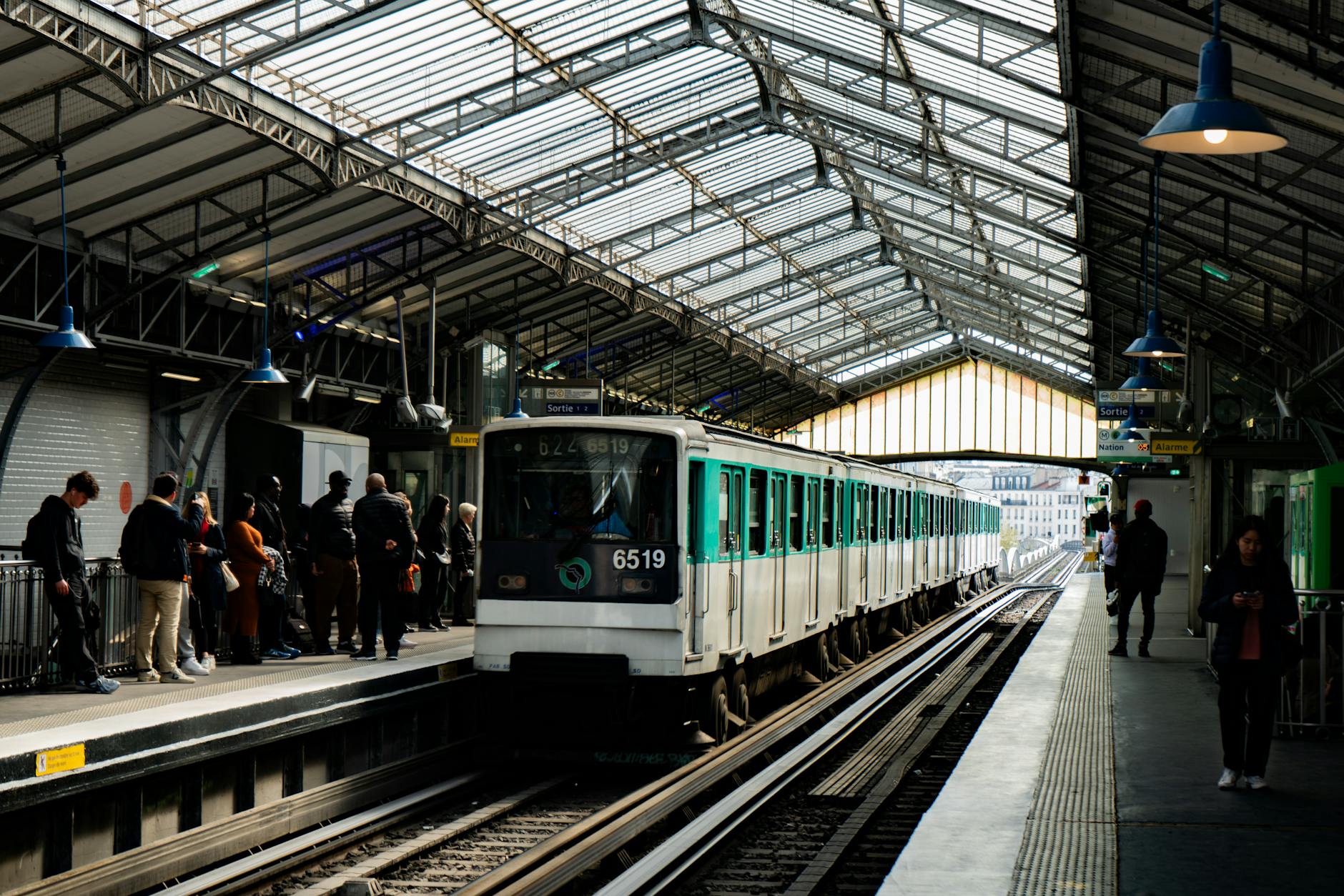
For millions of visitors each year, the Paris Metro is the lifeline of their Parisian adventure. As you descend into its iconic Art Nouveau entrances, a practical question often surfaces: is the Paris Metro safe for tourists? The short answer is yes, the Metro is generally safe and is used daily by millions of Parisians and visitors without incident. However, as with any major metropolitan public transportation system spanning over 300 stations, situational awareness and knowledge of local dynamics are your most valuable travel companions. This comprehensive guide will equip you with the practical information, safety strategies, and cultural insights needed to navigate the Paris underground with confidence, transforming potential anxiety into the freedom to explore one of the world’s most beautiful cities.
The RATP-operated Paris Metro is one of the densest and most used subway systems globally. Its efficiency is legendary, connecting iconic landmarks from the Louvre to Montmartre with remarkable speed. For tourists, it represents unparalleled convenience and an authentic slice of Parisian life. Yet, its very popularity and vastness also attract petty crime, especially in stations and lines frequented by tourists carrying valuables. Understanding the system’s safety landscape—knowing when to be extra vigilant, which scams to recognize, and how to blend in—is the key to a secure experience. Let’s delve into the realities, from statistical safety to street-smart tactics, ensuring your Metro journeys are remembered for the sights, not the frights.
Understanding the Safety Landscape of the Paris Metro
Objectively, violent crime on the Paris Metro is rare. The system is heavily monitored by surveillance cameras and regularly patrolled by both RATP security agents and national police (Police Nationale). The primary risks tourists face are non-violent and opportunistic: pickpocketing and common scams. These incidents are concentrated in specific areas and times but are largely preventable with preparation.
Statistical Safety vs. Perceived Safety
French authorities report that the Metro remains a safe mode of transport. Serious incidents are low relative to the over 4 million daily passengers. However, perception can differ. The dense crowds, especially during rush hour (7:30-9:30 AM and 5:00-7:30 PM), the labyrinthine corridors of major interchange stations, and the presence of beggars or individuals behaving erratically can create an atmosphere of unease for first-time visitors. It’s crucial to distinguish between genuine threat and urban bustle. The system’s real danger often lies not in malice but in distraction—the moment you are fumbling with a map, struggling with a ticket machine, or gazing up at a station sign is the moment you become a target for pickpockets.
High-Traffic vs. Quieter Lines and Stations
Safety can vary by line and station. Lines that serve major tourist hubs typically see higher concentrations of petty crime.
- Lines 1, 2, 4, 6, 9, and 14: These serve central tourist areas (Louvre-Rivoli, Châtelet, Gare du Nord, Montparnasse, Saint-Michel, Trocadéro). They are generally safe but require high vigilance due to crowds.
- Major Interchange Hubs (Châtelet, Gare du Nord, Gare de Lyon, Montparnasse-Bienvenüe): These are the system’s busiest points. Their size and chaos are perfect camouflage for pickpockets. Stay alert, keep bags closed and in front, and move purposefully.
- Peripheral Stations on Lines 2, 4, 5, 7, 13: Some stations in the northern and northeastern suburbs (e.g., on Line 13 towards Saint-Denis) have reputations for being less secure, especially late at night. For tourists, these are less commonly used, but it’s wise to research your specific route.
Essential Safety Tips for Tourists Using the Paris Metro
Adopting a few simple habits can dramatically reduce your risk and increase your comfort. Think of it as urban street-smarts adapted for the underground.
Before You Travel: Preparation is Key
Start your journey safely before you even enter a station. Purchase tickets or passes in advance from official sources to avoid scammers at ticket machines. The Navigo Découverte pass or a carnet of 10 paper tickets are excellent options. Download the official RATP app (Bonjour RATP) or Citymapper for real-time maps and routing, eliminating the need to conspicuously study large station maps. Dress comfortably but avoid flashy jewelry or designer labels that might draw unwanted attention. Most importantly, use a secure bag—a crossbody bag with a zipper closed by a clasp, or an anti-theft backpack with locking zippers—and wear it in front of you in crowded areas.
On the Platform and Boarding the Train
On the platform, stand away from the edge and be mindful of your surroundings. While waiting, keep your bag securely held. When the train arrives, beware of the “crowding” scam, where a group will create a bottleneck at the doors, jostling you while an accomplice picks your pocket. Let the crowd surge pass, or enter through a different door. If the metro car feels uncomfortable—excessively empty late at night or has an unsettling atmosphere—trust your instinct and move to the next car. The first car, often near the conductor, can feel safer.
Inside the Metro Carriage
Once aboard, stay alert, especially if seated near the doors, where most snatch-and-run thefts occur. Keep your bag on your lap or between your feet, never on an empty seat beside you. Be wary of distractions: someone spilling something on you, asking for directions, or creating a commotion. This is often a team effort to divert your attention. A polite but firm “Non, merci” and turning away is the best response. Avoid displaying expensive phones or cameras, and never leave your belongings unattended, even for a moment.
Exiting Stations and Navigating at Night
Exiting can be just as critical. Have your ticket or pass ready to avoid fumbling at the turnstile. Know your exit route in advance to appear confident. At night, stick to well-lit, busier exits and consider using main thoroughfares. If you feel uneasy, don’t hesitate to travel with other passengers exiting the same station. For late-night returns, especially if you’re alone, consider using a licensed taxi or a ride-sharing app like Bolt or Uber, which can be a worthwhile investment for peace of mind after a certain hour.
Common Scams and How to Avoid Them
Forewarned is forearmed. Recognizing these common ploys is your best defense.
- The “Found Ring” Scam: A person picks up a “gold” ring near you and asks if you dropped it. When you say no, they insist you take it as a gift, then demand money for it, becoming aggressive. Solution: Immediately say “Non” firmly, don’t touch the ring, and walk away.
- The Petition/Distraction Scam: Often performed by groups of young people, they approach with a clipboard petition for a “deaf charity.” While you are distracted reading or signing, their accomplices pick your pockets. Solution: Do not engage. A clear “No, thank you” and keep walking.
- Fake Ticket Inspectors: While rare, unofficial “inspectors” may demand to see your ticket and then impose a fake “fine.” Real RATP controllers always wear official uniforms with badges and carry handheld ticket validation machines. They will never demand cash on the spot; fines are issued officially. Solution: Only show your ticket to clearly identified officials.
- Overly Helpful Strangers at Ticket Machines: Someone offers to help you buy a ticket, then either steals your cash/credit card or configures the machine to buy the cheapest ticket with your money and pockets the change. Solution: Politely refuse help and use ticket offices or pre-purchased passes.
Accessibility, Family Travel, and Special Considerations
The Paris Metro, being over a century old, presents challenges for travelers with reduced mobility or those with strollers. Only Line 14 and newer stations are fully accessible. The RATP website has detailed accessibility guides. For families, keep children close in crowds and consider avoiding rush hour. Teach older children what to do if separated (find an RATP agent in a blue uniform or a police officer). For solo female travelers, the Metro is generally safe, but the same rules apply: trust your instincts, avoid empty carriages late at night, and consider sitting in the first car near the conductor.
What to Do If Something Goes Wrong
Despite precautions, incidents can happen. If you are pickpocketed or scammed, your first step is to stay calm. Immediately check if you can still see the perpetrator; if so, alert people around you by shouting “Au voleur!” (Thief!). However, do not physically confront them. Find an RATP agent or go to the station’s Poste de Commandement (command post). File a police report (dépot de plainte) at the nearest police station (commissariat), which is essential for insurance claims and canceling credit cards. For urgent help, dial 112 (EU emergency number) or 17 for police.
Conclusion: Embracing the Metro with Confidence
So, is the Paris Metro safe for tourists? The resounding answer is yes, provided you travel with awareness and preparation. It is an integral, efficient, and often charming part of the Paris experience. The vast majority of journeys are completed without a hitch. By treating the Metro not as a threat but as a system to be understood—by securing your belongings, learning the common scams, avoiding peak-risk times in chaotic stations, and moving with purpose—you reclaim your power as a traveler. Your vigilance is the price of admission to the incredible freedom the Metro offers: the freedom to dart from the Marais to the Eiffel Tower, from a café in Saint-Germain to the steps of Sacré-Cœur, all with the ease and affordability that defines smart travel. Descend the steps with knowledge, and you’ll find not danger, but the pulsing heart of Paris, waiting to take you on your next adventure.
Frequently Asked Questions (FAQ)
What is the safest time to use the Paris Metro?
The Metro is safest during standard daytime operating hours (roughly 5:30 AM to 9:00 PM), when it is busiest with regular commuters and families. Increased vigilance is advised during peak rush hours due to extreme crowding, which facilitates pickpocketing. Late-night travel (after midnight, especially on weekends) requires more caution, particularly for solo travelers.
Which Metro lines should I be most careful on?
Exercise high vigilance on Lines 1 and 14, as they serve the most concentrated tourist landmarks (Louvre, Champs-Élysées, etc.). Also be alert at major interchange stations like Châtelet–Les Halles, Gare du Nord, and Gare de Lyon, where the complexity and crowds are exploited by pickpockets.
Are Metro tickets a target for theft?
The tickets themselves have little value. The primary target is your wallet, phone, passport, and camera. However, scammers may target your credit card at ticket machines. Always buy tickets from official offices, machines, or apps, and never accept “help” from strangers at the machine.
Is it safe to use my phone on the Metro?
Using your phone is generally safe, but be discreet. Avoid flashing an expensive phone in a crowded carriage, especially near the doors. Snatch thefts from distracted users near closing doors do occur. Be aware of your surroundings before engaging with your device.
What’s the best way to carry money and documents?
Use a money belt or a hidden pouch under your clothing for your passport, backup credit card, and large bills. In your secure day bag, carry only the cash you need for the day (using the “divide and conceal” method) and one credit card. Never keep all your valuables in one place.
Photo via Pexels