Table des matières:
Eiffel Tower vs. Montparnasse Tower: An Introduction to Two Parisian Perspectives
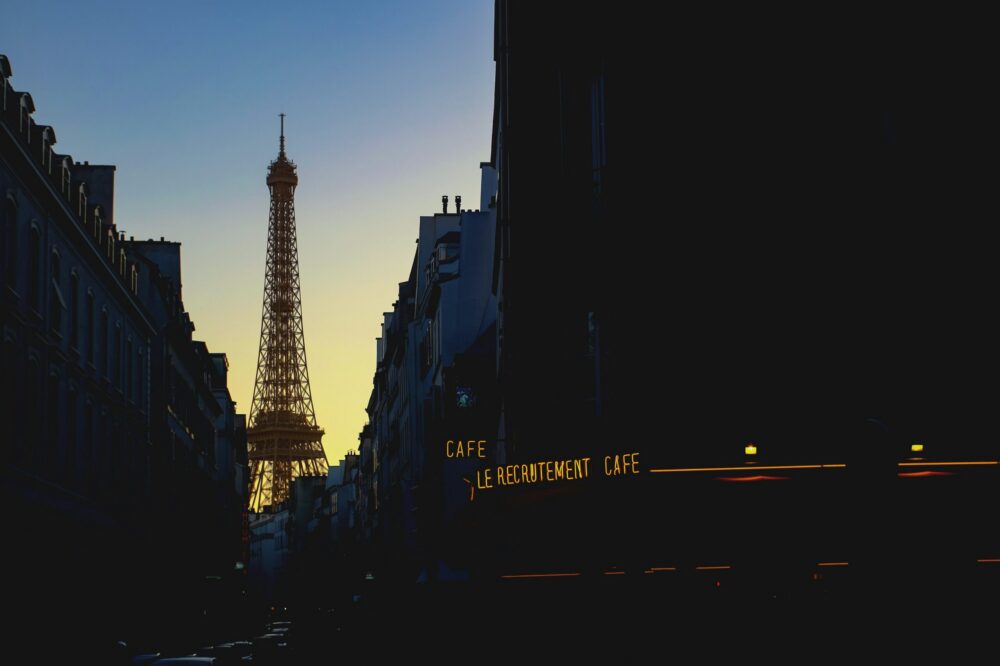
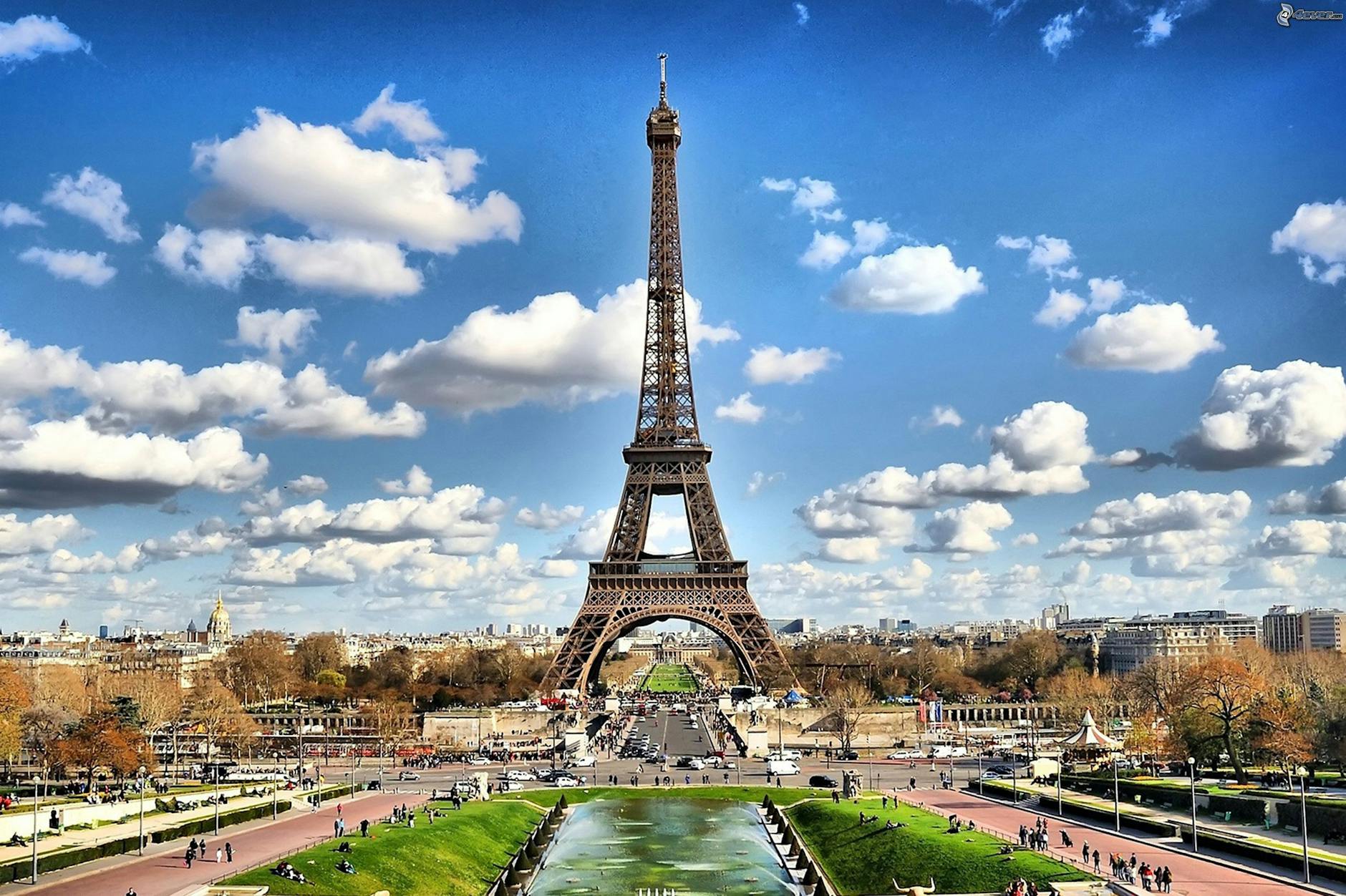
Paris, the City of Light, is defined by its iconic skyline, and two structures offer the most famous viewpoints: the historic Eiffel Tower and the modern Tour Montparnasse. While both promise breathtaking panoramas, they embody completely different eras, architectural philosophies, and visitor experiences. The Eiffel Tower, or La Tour Eiffel, is the ultimate symbol of Paris, a lace-like iron lattice recognized worldwide. In stark contrast, the Montparnasse Tower is a sleek, 59-story black office skyscraper, often criticized but offering a unique claim: the only Parisian viewpoint from which the Eiffel Tower itself is not in sight. Understanding their differences is key to choosing the right experience for your visit, whether you seek historical immersion or the ultimate panoramic photo op.
A Tale of Two Eras: History and Conception
The stories behind these towers are as different as their appearances.
The Eiffel Tower: A Temporary Marvel for the World’s Fair
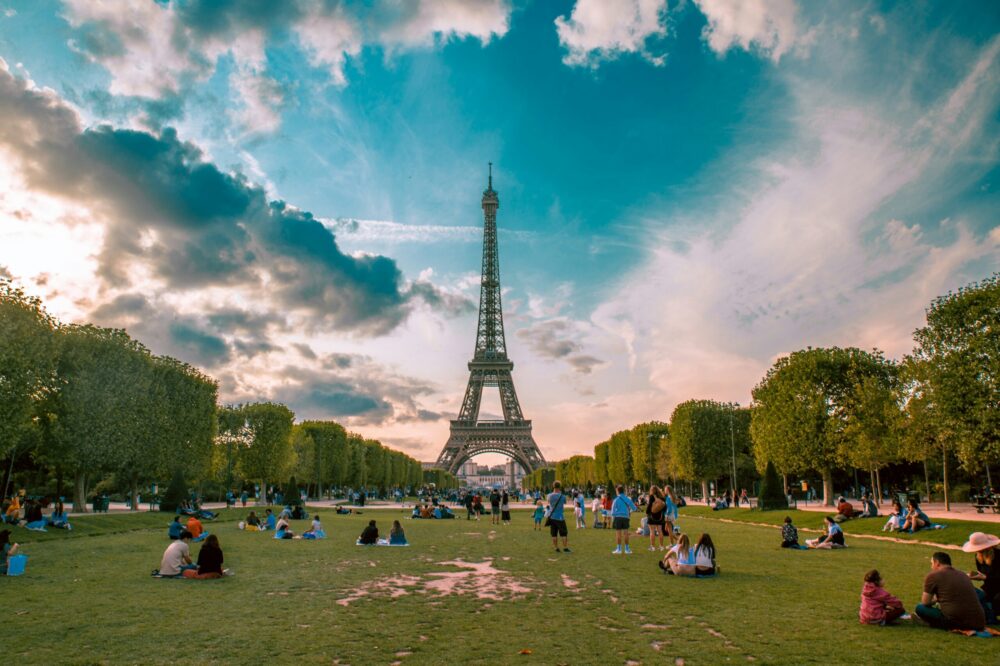
Built between 1887 and 1889 as the centerpiece for the 1889 World’s Fair, the Eiffel Tower was designed by engineer Gustave Eiffel. Initially, it was met with fierce criticism from many Parisian artists and intellectuals who deemed the iron structure an eyesore. It was intended to stand for only 20 years before being dismantled. However, its value as a radiotelegraphy station saved it, and it gradually won the hearts of the public and the world. Today, it stands not just as a monument, but as the most-visited paid monument globally.
The Montparnasse Tower: The Rise of Modernism
The Montparnasse Tower’s history is more contentious. Completed in 1973, it was built during a period of rapid modernization in Paris. Its construction on the site of the former Montparnasse railway station was part of a major redevelopment of the area. The 210-meter (689 ft) skyscraper’s stark, monolithic design was immediately controversial. Its impact was so profound that it led to a change in Parisian urban planning law, effectively banning the construction of new skyscrapers in the city center for decades. Where the Eiffel Tower fought for acceptance, the Montparnasse Tower was imposed, forever changing the Parisian skyline and sparking debate.
Architectural Philosophy: Iron Lace vs. Glass Monolith
The visual contrast between the two structures could not be more extreme.
The Eiffel Tower’s Exposed Engineering
The Eiffel Tower is a masterpiece of 19th-century engineering. Its open-lattice, puddled iron structure is fully visible, showcasing the beauty of its form and function. Weighing approximately 10,100 tonnes, it is a complex assembly of 18,038 metal parts held together by 2.5 million rivets. Its curved design was mathematically calculated to withstand wind forces. The architecture is transparent, intricate, and celebratory of its own construction.
The Montparnasse Tower’s Corporate Modernism
The Montparnasse Tower is a classic example of International Style modernism. It is a simple, rectangular prism sheathed in dark glass and steel. Its design prioritizes function and office space efficiency over ornamentation. The uniform, reflective facade presents a solid, imposing presence. While not adorned like its older counterpart, its clean lines and sheer scale represent a different kind of architectural ambition—that of corporate power and post-war economic progress.
The Viewing Experience: What You Actually See
This is the core of the comparison: the panorama itself.
The Eiffel Tower View: Iconic, But With a Missing Piece
From the Eiffel Tower’s three levels (57m, 115m, and 276m), you enjoy a magnificent 360-degree view of Paris. You can spot landmarks like the Arc de Triomphe, Sacré-Cœur, the Louvre, and the Seine River winding through the city. The perspective from within the iconic structure itself is part of the magic. However, there is one famous landmark conspicuously absent from the view: the Eiffel Tower itself. You are standing on it.
The Montparnasse Tower View: The Uninterrupted Panorama
This is the Montparnasse Tower’s greatest advantage. From its 56th-floor indoor observatory (200m) and the open-air rooftop terrace (210m), you get arguably the best uninterrupted panoramic view in Paris. Crucially, this includes a breathtaking, unobstructed view of the Eiffel Tower in its full glory, integrated into the cityscape. You see the historic layout of Paris, with the Eiffel Tower as the star, set against a backdrop of uniform Haussmannian buildings. The view is often described as “the most beautiful in Paris because it’s the only place from which you can’t see the Montparnasse Tower.”
Practical Visitor Information: Tickets, Crowds, and Accessibility
Your experience will be heavily influenced by logistics.
Visiting the Eiffel Tower
Tickets & Cost: Tickets are tiered based on access (stairs to second floor, lift to second floor, lift to the summit). Prices are significantly higher than Montparnasse. Advance online booking is absolutely essential to avoid extremely long queues, often spanning hours.
Crowds: It is perpetually crowded. The experience can feel rushed and busy, especially on the lower levels.
Accessibility: Fully accessible via elevators.
Extra Experience: Includes restaurants (like the Michelin-starred Jules Verne), champagne bars, and historical exhibits on its construction.
Visiting the Montparnasse Tower
Tickets & Cost: Tickets are generally less expensive and easier to obtain. You can often purchase them on-site without a prohibitive wait, though online purchase is still recommended.
Crowds: Noticeably less crowded. The observatory allows for a more relaxed, contemplative experience with space to linger at the windows.
Accessibility: Fully accessible via high-speed elevators (one of the fastest in Europe).
Extra Experience: The 56th floor features an interactive multimedia exhibit on Paris. The rooftop terrace is a major highlight, especially at sunset.
Which Should You Choose? A Decision Guide
The choice depends entirely on your priorities.
Choose the Eiffel Tower if: You are a first-time visitor and seeing/ascending this global icon is a non-negotiable bucket-list item. You are fascinated by 19th-century history and engineering. You don’t mind crowds and planning far in advance (booking tickets months ahead for peak season). You want the classic “I was there” experience.
Choose the Montparnasse Tower if: Your primary goal is to get the best overall photographic view of Paris, including the Eiffel Tower. You prefer a less crowded, more modern, and efficient visitor experience. You are working with a tighter budget or more spontaneous schedule. You appreciate the irony of viewing Paris from its most controversial building.
The Ideal Combo: Many seasoned travelers recommend doing both: experience the magic and history of being on the Eiffel Tower, then visit the Montparnasse Tower later to appreciate the scale of the city and capture the iconic photo of the Eiffel Tower itself.
Conclusion: Two Sides of the Parisian Coin
The Eiffel Tower and the Montparnasse Tower are not true rivals, but complementary opposites that define Paris’s architectural dialogue between past and future. The Eiffel Tower is the soul of Paris—romantic, historical, and artistic. Visiting it is about participating in a global cultural ritual. The Montparnasse Tower is the pragmatic, modern vantage point that offers the definitive postcard view, forcing you to see the city as a whole. One is an experience of being inside a symbol; the other is an experience of observing that symbol within its urban context. Together, they provide a full, nuanced understanding of Paris’s ever-evolving identity.
Frequently Asked Questions (FAQ)
Which tower has the better view?
The Montparnasse Tower is generally agreed to have the superior, uninterrupted panoramic view because it is the only high vantage point in central Paris from which you can see the Eiffel Tower clearly as part of the skyline. The Eiffel Tower view is iconic but lacks its own famous silhouette.
Is it worth going up both towers?
For dedicated sightseers or photography enthusiasts, yes. They offer fundamentally different perspectives. For most visitors with limited time or budget, choosing one based on the priorities outlined above is sufficient.
Which is cheaper, the Eiffel Tower or Montparnasse Tower?
The Montparnasse Tower is consistently less expensive for a standard adult ticket to its observatory compared to a lift ticket to the summit of the Eiffel Tower.
Which tower is less crowded?
The Montparnasse Tower is significantly less crowded year-round. The Eiffel Tower is one of the world’s busiest monuments, with queues that are legendary.
Can you see the Montparnasse Tower from the Eiffel Tower?
Yes, the dark glass skyscraper is easily visible to the south from the Eiffel Tower, standing out distinctly from the classic Parisian rooftops.
What is the best time to visit for photos?
For the Eiffel Tower, early morning light is beautiful. For the Montparnasse Tower, the hour before sunset through to blue hour is unparalleled, as you can watch the city lights, including the Eiffel Tower’s hourly sparkle, come to life.
Photo via Pexels