Table des matières:
Introduction: The Allure of Rome’s Public Fountains
Rome, the Eternal City, is renowned for its ancient history, stunning architecture, and vibrant culture. Among its many iconic features are the public fountains, known as “nasoni” or “fontanelle,” which dot the streets and piazzas. These fountains provide free, flowing water to locals and tourists alike, offering a refreshing respite during hot Italian summers. But a common question arises for visitors: Is it safe to drink tap water from Rome’s public fountains? This article delves into the safety, quality, and practical aspects of drinking from these historic sources, providing you with reliable information to enjoy Rome’s water with confidence.
Understanding Rome’s Public Fountains: A Historical and Modern Perspective
Rome’s public fountains have a rich history dating back to ancient times when aqueducts supplied water to the city. Today, they are maintained by ACEA, the local water utility, and are an integral part of Rome’s infrastructure. There are over 2,500 nasoni in the city, characterized by their simple, curved spouts. These fountains are designed for drinking, and many Romans rely on them daily. The water comes from the same sources that supply Rome’s tap water, primarily from springs in the surrounding regions like the Apennine Mountains. This connection means that the safety of drinking from public fountains is closely tied to the overall quality of Rome’s tap water system.
Water Sources and Treatment Processes
The water in Rome’s public fountains originates from natural springs and is treated to meet strict safety standards. ACEA monitors and manages the water supply, ensuring it complies with European Union and Italian regulations. Key sources include:
- Springs in the Bracciano and Martignano areas
- Aquifers in the Sabatini Mountains
- Protected reservoirs that minimize contamination risks
Treatment involves filtration and disinfection, typically using chlorine, to eliminate bacteria and other pathogens. Regular testing is conducted to check for contaminants like heavy metals, nitrates, and microorganisms. This rigorous process helps ensure that the water is potable and safe for consumption, whether from a fountain or a home tap.
Is It Safe to Drink Tap Water from Rome’s Public Fountains? Assessing the Risks
In general, yes, it is safe to drink tap water from Rome’s public fountains. The water quality is high, and incidents of waterborne illnesses are rare. However, safety can depend on several factors, including the fountain’s maintenance, environmental conditions, and individual health considerations. For most people, drinking from these fountains poses minimal risk, but it’s essential to be aware of potential concerns.
Potential Health Concerns and How to Mitigate Them
While the water itself is safe, there are a few considerations to keep in mind:
- Bacterial Contamination: In rare cases, fountains that are not properly maintained might harbor bacteria. ACEA conducts regular cleaning, but if a fountain looks dirty or damaged, it’s best to avoid it.
- Chlorine Levels: The disinfection process uses chlorine, which can affect taste and, in sensitive individuals, cause minor digestive issues. Most people adapt quickly, but those with allergies or sensitivities might prefer bottled water.
- Environmental Factors: Pollution or debris near a fountain could introduce contaminants. Always check the area around the fountain for cleanliness.
To minimize risks, drink from fountains that are actively flowing, as stagnant water is more likely to harbor microbes. Additionally, consider using a reusable bottle to collect water, which reduces plastic waste and allows you to control your intake.
Benefits of Drinking from Rome’s Public Fountains
Choosing to drink from Rome’s public fountains offers numerous advantages, both personal and environmental. Understanding these benefits can enhance your experience in the city.
Health and Environmental Advantages
Rome’s tap water is rich in minerals like calcium and magnesium, which can contribute to overall health. Drinking it is a cost-effective and sustainable alternative to bottled water, helping reduce plastic pollution. Key benefits include:
- Cost Savings: It’s free, saving money compared to purchasing bottled water daily.
- Eco-Friendly: Reduces plastic bottle usage, supporting Rome’s efforts toward sustainability.
- Convenience: With fountains widely available, you can stay hydrated while exploring the city.
Moreover, participating in this local tradition connects you to Roman culture, as many residents view the nasoni as a symbol of community and heritage.
Practical Tips for Drinking from Rome’s Public Fountains
To make the most of Rome’s public fountains, follow these practical tips to ensure a safe and enjoyable experience. Whether you’re a first-time visitor or a seasoned traveler, these guidelines will help you navigate the city’s water sources with ease.
How to Identify Safe Fountains
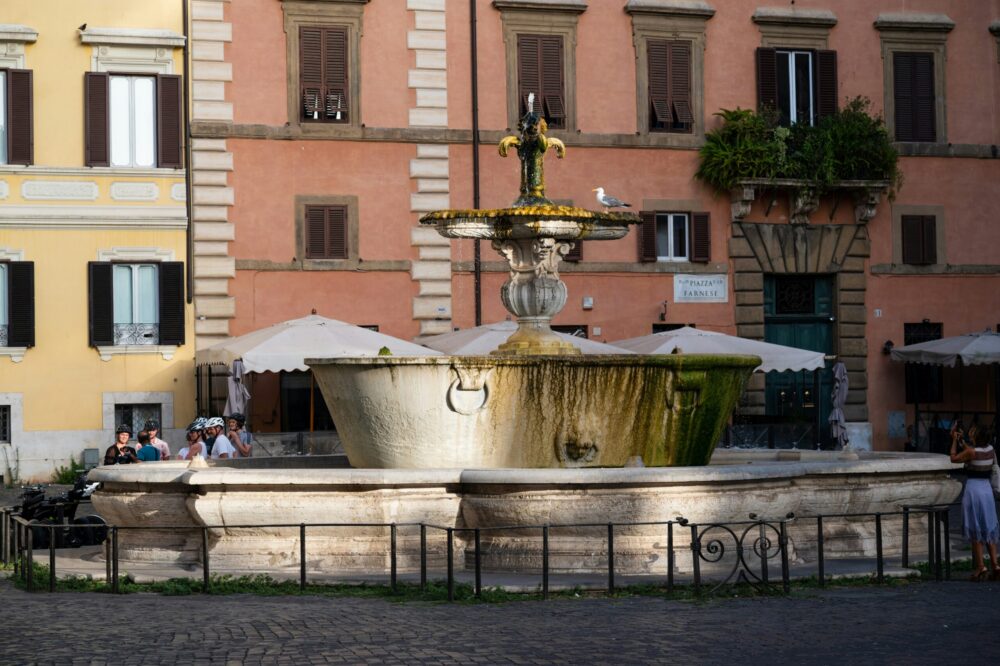
Not all fountains in Rome are designed for drinking. Look for nasoni, which are typically made of cast iron or stone and have a continuous flow of water. Avoid decorative fountains or those in ponds, as they may not be potable. Signs indicating “acqua non potabile” mean the water is not safe to drink. When in doubt, observe locals or ask for advice.
Best Practices for Hydration
To stay healthy while drinking from public fountains:
- Carry a reusable water bottle to refill throughout the day.
- Drink directly from the spout or use your hands to cup the water, avoiding contact with the fountain surface.
- If you have a compromised immune system, consult a doctor before drinking tap water abroad.
Remember, Rome’s climate can be hot, especially in summer, so regular hydration is key. The fountains provide a reliable source of cool, refreshing water to keep you energized during your adventures.
Comparing Rome’s Tap Water to Other European Cities
Rome’s tap water quality is comparable to that of many other European capitals. Cities like Paris, Berlin, and Vienna also have safe public drinking water systems. However, Rome stands out due to its extensive network of historic fountains, making access particularly convenient. While taste preferences may vary—some find Rome’s water slightly chlorinated or mineral-rich—it generally meets high safety standards. This makes it a viable option for tourists looking to avoid the expense and environmental impact of bottled water.
Conclusion: Enjoying Rome’s Water with Confidence
In summary, it is generally safe to drink tap water from Rome’s public fountains. The water undergoes strict treatment and monitoring, aligning with European safety regulations. By following simple precautions, such as choosing well-maintained fountains and staying aware of your surroundings, you can enjoy this free and sustainable resource without worry. So, next time you’re in Rome, don’t hesitate to take a sip from a nasone—it’s a refreshing way to connect with the city’s history and culture. Embrace the experience, stay hydrated, and explore the Eternal City with confidence, knowing that the answer to “Is it safe to drink tap water from Rome’s public fountains?” is a resounding yes for most visitors.
Photo by Herry Sutanto on Unsplash