Rome, the Eternal City, is a treasure trove of ancient history, stunning architecture, and vibrant culture. With iconic landmarks like the Colosseum, Vatican City, and Trevi Fountain scattered across its sprawling urban landscape, getting around efficiently is key to making the most of your visit. For travelers, understanding the public transportation system can transform a chaotic trip into a smooth adventure. In this comprehensive guide, we’ll explore the best way to get around Rome using public transportation, covering everything from metro lines and bus routes to ticketing tips and insider advice. Whether you’re a first-time visitor or a seasoned explorer, mastering Rome’s transit network will help you save time, money, and energy while immersing yourself in this magnificent city.
Table des matières:
Understanding Rome’s Public Transportation Network
Rome’s public transportation system is operated by ATAC (Azienda per la Mobilità) and includes a mix of metro lines, buses, trams, and regional trains. While it may not be as extensive as some other European capitals, it’s well-suited for reaching major tourist sites and navigating central areas. The key to success lies in knowing how these modes connect and complement each other. For instance, the metro is ideal for covering long distances quickly, while buses and trams offer more flexibility for exploring neighborhoods. By combining these options, you can find the best way to get around Rome using public transportation without relying on expensive taxis or rental cars.
The Metro: Fast and Efficient for Key Routes
Rome’s metro system consists of three lines: Line A (orange), Line B (blue), and Line C (green). Lines A and B are the most useful for tourists, as they connect major hubs like Termini Station (the main railway station) with attractions such as the Vatican (via Ottaviano station on Line A) and the Colosseum (via Colosseo station on Line B). Line C is newer and serves southeastern suburbs, but it’s less relevant for typical sightseeing. The metro runs from about 5:30 AM to 11:30 PM daily, with extended hours on weekends. It’s a reliable choice for avoiding Rome’s notorious traffic, especially during peak hours. However, coverage is limited compared to cities like Paris or London, so you’ll often need to transfer to buses or walk to reach specific destinations.
Buses and Trams: Flexible Coverage Across the City
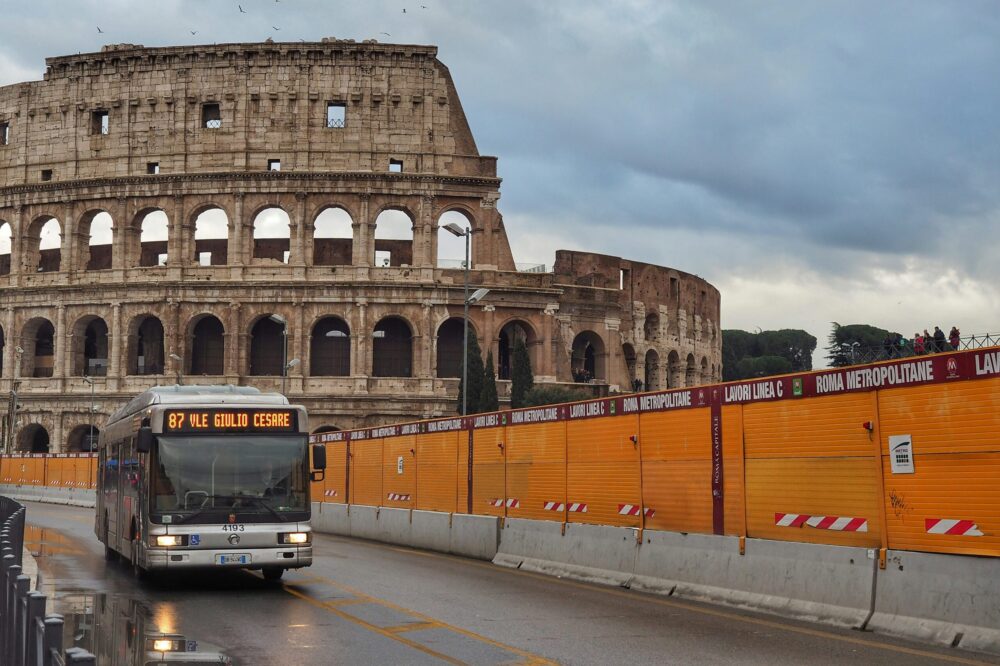
Buses and trams form the backbone of Rome’s public transportation, offering extensive routes that fill in the gaps left by the metro. With over 350 bus lines and 6 tram lines, they provide access to nearly every corner of the city, including areas like Trastevere, Testaccio, and the Appian Way. Buses run from early morning until midnight, with night buses (designated with an “N” prefix) operating after hours. Trams, such as Line 8 that connects Trastevere to Piazza Venezia, are particularly scenic and efficient for shorter trips. When using buses, be prepared for potential delays due to traffic, and always validate your ticket upon boarding. This network is essential for discovering hidden gems and experiencing local life, making it a vital part of the best way to get around Rome using public transportation.
Ticket Options and Fares for Rome’s Public Transportation
To use Rome’s public transportation, you’ll need a valid ticket, which can be purchased at metro stations, tobacco shops (tabaccherie), newsstands, or via mobile apps like MyCicero or TicketAppy. Tickets are integrated across all modes (metro, bus, tram, and some regional trains within the city), allowing for seamless transfers. Here are the main options:
- BIT (Biglietto Integrato a Tempo): A single ticket valid for 100 minutes from validation, with unlimited transfers. Cost: €1.50.
- 24-Hour Ticket: Unlimited travel for 24 hours from validation. Cost: €7.
- 48-Hour Ticket: Unlimited travel for 48 hours from validation. Cost: €12.50.
- 72-Hour Ticket: Unlimited travel for 72 hours from validation. Cost: €18.
- CIS (Carta Integrata Settimanale): A weekly ticket for unlimited travel. Cost: €24.
For most tourists, the 24-hour or 72-hour tickets offer the best value, especially if you plan multiple trips in a day. Remember to validate your ticket at metro turnstiles or on bus/tram validators to avoid fines. Investing in the right ticket is a smart step in mastering the best way to get around Rome using public transportation.
Tips for Efficient and Stress-Free Travel
Navigating Rome’s public transportation can be straightforward with a few practical tips. First, download apps like Moovit or Google Maps for real-time route planning and schedules—they’re invaluable for finding the best connections. Second, avoid rush hours (7-9 AM and 5-7 PM) when buses and metros are crowded, and traffic slows down journeys. Third, keep an eye on your belongings, as pickpocketing can occur in busy stations like Termini or on packed buses. Fourth, consider walking for short distances; Rome’s historic center is compact and pedestrian-friendly, often making it faster to stroll between sites like the Pantheon and Piazza Navona. Finally, if you’re staying longer, look into Roma Pass, which includes transportation and museum discounts. By following these suggestions, you’ll enhance your experience and solidify the best way to get around Rome using public transportation.
Accessibility and Special Considerations
Rome’s public transportation is gradually improving in accessibility, but it may pose challenges for travelers with mobility issues. Most metro stations on Lines A and B have elevators or escalators, but older stations and buses can be less accommodating. Trams and newer buses are generally more accessible. For detailed information, check ATAC’s website or inquire at stations. Additionally, families with strollers should opt for less crowded times and use metro lines where possible. If accessibility is a concern, taxis or ride-sharing services like Uber might supplement your transit plan. Despite these limitations, with careful planning, public transportation remains a viable and economical choice for many visitors seeking the best way to get around Rome.
Comparing Public Transportation to Other Modes of Transport
While public transportation is often the best way to get around Rome, it’s worth comparing it to alternatives like taxis, rental cars, and walking. Taxis are convenient for direct trips or late-night travel but can be expensive and subject to traffic delays. Rental cars are generally discouraged due to limited parking, ZTL (restricted traffic zones), and chaotic driving conditions. Walking, on the other hand, is free and ideal for exploring central areas, but it’s not practical for longer distances. Public transportation strikes a balance by offering affordability, coverage, and efficiency, especially when combined with walking for last-mile connections. For most tourists, a hybrid approach—using the metro for long stretches and buses or trams for specific routes, supplemented by walking—proves most effective.
Conclusion: Mastering Rome’s Public Transportation for an Unforgettable Visit
In summary, the best way to get around Rome using public transportation involves a strategic blend of metro, buses, and trams, supported by smart ticketing and practical tips. By understanding the network’s strengths—such as the metro’s speed for major attractions and buses’ flexibility for neighborhoods—you can navigate the city with confidence and ease. Remember to validate tickets, use apps for planning, and embrace walking where feasible. Whether you’re marveling at ancient ruins or savoring Italian cuisine, efficient transit will free up more time for enjoyment. With this guide, you’re equipped to explore Rome like a local, making your journey through the Eternal City both seamless and memorable. Start planning your routes today and discover how public transportation can enhance your Roman adventure.
Photo by Sung Jin Cho on Unsplash