
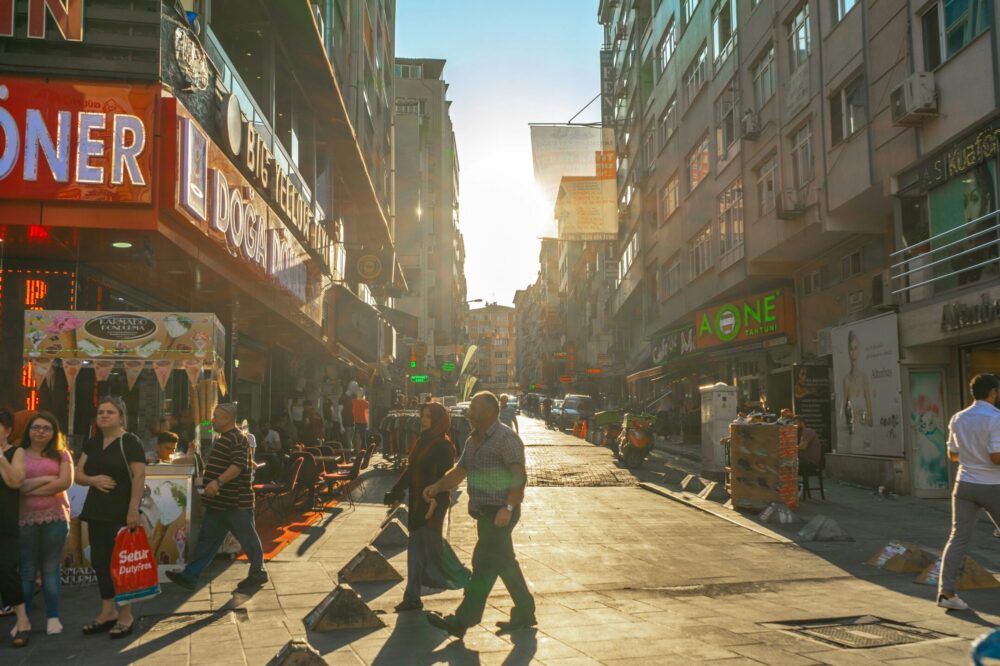
Table des matières:
Why International Students Are Choosing Istanbul
Istanbul has become one of the most popular study abroad destinations in recent years, attracting students from over 150 countries. But is Istanbul a good city for international students? The short answer is yes, for many reasons: world-class universities, affordable tuition compared to Europe or North America, a vibrant cultural scene, and a strategic location bridging Europe and Asia. However, like any big city, it has challenges. This guide covers everything you need to know to make an informed decision.
Top Universities in Istanbul for International Students
Istanbul is home to some of Turkey’s most prestigious universities, both public and private. Many offer programs in English, especially at the graduate level.
Public Universities
- Istanbul University – One of the oldest in Turkey, strong in medicine, law, and humanities. Tuition is very low (around $500–$1,500 per year for international students).
- Istanbul Technical University (ITU) – Renowned for engineering and architecture. English-taught programs available.
- Boğaziçi University – Consistently ranked top in Turkey, with a strong liberal arts and science curriculum. Highly competitive.
- Marmara University – Offers a wide range of programs, including many in English.
Private (Foundation) Universities
- Koç University – Top-ranked private university with excellent facilities and scholarships.
- Sabancı University – Known for interdisciplinary education and strong industry connections.
- Özyeğin University – Modern campus, strong in business and engineering.
- Istanbul Bilgi University – Popular for social sciences, arts, and law.
Tip: Check the university’s accreditation and whether your degree will be recognized in your home country or globally. Many Turkish universities are listed in international rankings like QS and THE.
Cost of Living and Tuition Fees
One of the biggest advantages of studying in Istanbul is affordability. Compared to London, New York, or Sydney, your money goes much further.
| Expense | Monthly Cost (USD) |
|---|---|
| Rent (shared apartment) | $250–$500 |
| Utilities & internet | $50–$100 |
| Food (groceries & eating out) | $200–$400 |
| Transportation (public) | $30–$60 |
| Health insurance | $20–$50 |
| Miscellaneous (entertainment, etc.) | $100–$200 |
| Total | $650–$1,310 |
Tuition fees vary widely: public universities charge $500–$2,000 per year, while private universities can range from $5,000 to $20,000 per year. Many private universities offer partial or full scholarships based on academic merit.
Student Visa and Residence Permit Process
To study in Istanbul, you need a student visa and a residence permit. The process is straightforward but requires careful planning.
Step-by-Step Guide
- Get accepted by a Turkish university and receive your official acceptance letter.
- Apply for a student visa at the Turkish embassy or consulate in your home country. You’ll need your passport, acceptance letter, proof of financial means, health insurance, and a visa application fee.
- Arrive in Turkey within the visa validity period (usually 90 days).
- Apply for a residence permit online via the e-ikamet system within the first month. You’ll need to book an appointment at the local immigration office (Göç İdaresi).
- Submit documents: passport, visa, acceptance letter, proof of address (rental contract), health insurance, biometric photos, and a tax number (obtained from the tax office).
Common mistake: Not applying for the residence permit early enough. Start the process as soon as you arrive. The permit is usually valid for one year and must be renewed annually.
Accommodation Options for Students
Finding a place to live in Istanbul can be competitive, especially in central areas. Options include:
- University dormitories – Cheapest option ($100–$300/month), but often have waiting lists. Private university dorms are more comfortable.
- Shared apartments – Popular among international students. Use websites like Sahibinden.com or Facebook groups. Budget $250–$500 per person.
- Private studios – More expensive ($500–$800) and less common.
Neighborhoods popular with students: Beşiktaş, Kadıköy, Şişli, Beyoğlu, and Fatih (near historic peninsula). Each has its own vibe: Beşiktaş is lively and central, Kadıköy is on the Asian side with a bohemian feel, and Fatih is more conservative and affordable.
Cultural Adaptation and Social Life
Istanbul is a melting pot of cultures, but adjusting can still be challenging. Here’s what to expect:
Language Barrier
While many young people and professionals speak English, everyday interactions (shopping, government offices) often require Turkish. Learning basic Turkish phrases will greatly enhance your experience. Universities offer Turkish language courses.
Social Life
Istanbul has a vibrant nightlife, countless cafes, and cultural events. Join student clubs, Erasmus groups, or sports teams to meet people. Turkish people are generally friendly and hospitable, but you may need to make the first move.
Safety


Istanbul is generally safe for students, but like any large city, be aware of pickpocketing in crowded areas and avoid walking alone late at night in unfamiliar neighborhoods. Most universities have campus security.
Working While Studying
International students can work part-time in Turkey, but there are restrictions. You must have a student residence permit and can work up to 24 hours per week. However, finding a job without fluent Turkish is difficult. Many students work as English tutors, in cafes, or remotely for international companies. Internships are a good way to gain experience.
Healthcare for International Students
Turkey has both public and private healthcare. International students must have health insurance. If you have a residence permit, you can register for the state health system (SGK) for a small fee, which covers most treatments at public hospitals. Private insurance is recommended for faster access and better facilities.
Transportation and Getting Around
Istanbul’s public transport is extensive and cheap. The city has metro lines, trams, buses, ferries, and a funicular. An Istanbulkart (reloadable card) gives discounted fares. A monthly student pass costs around $30. Traffic is notorious, so avoid driving if possible.
Common Challenges and How to Overcome Them
- Housing scams: Always visit the apartment in person or use a trusted agent. Never pay without a contract.
- Bureaucracy: Be patient. Government processes can be slow. Keep copies of all documents.
- Homesickness: Stay connected with family, but also immerse yourself in local activities. Many universities have international student offices that organize trips and events.
- Cost of living increases: Inflation in Turkey has been high. Budget extra for unexpected price hikes. Consider cooking at home and using student discounts.
Frequently Asked Questions
Is Istanbul safe for international students?
Yes, Istanbul is generally safe. However, like any major city, you should take precautions: avoid poorly lit areas at night, keep valuables secure, and be aware of your surroundings.
Can I study in Istanbul without knowing Turkish?
Yes, many universities offer programs entirely in English, especially at the graduate level. However, learning basic Turkish will help with daily life and socializing.
How much does it cost to study in Istanbul per year?
Tuition ranges from $500 to $20,000 per year depending on the university and program. Living expenses are around $8,000–$15,000 per year.
Can I work while studying in Istanbul?
Yes, international students can work up to 24 hours per week with a valid residence permit. Jobs are limited for non-Turkish speakers.
What is the best time to apply for universities in Istanbul?
Application deadlines vary. Most universities have intakes in September (fall) and February (spring). Apply 3–6 months in advance.
Do I need a visa to study in Istanbul?
Yes, you need a student visa obtained from a Turkish embassy before arrival. After arrival, you must apply for a residence permit.
Final Recommendations for Prospective Students
Istanbul offers a unique blend of history, culture, and education that is hard to find elsewhere. To make the most of your experience:
- Research universities thoroughly and apply early.
- Learn some Turkish before you arrive.
- Budget carefully and have a financial cushion.
- Connect with current students via social media or forums.
- Embrace the city’s diversity—explore both European and Asian sides.
If you’re looking for an affordable, culturally rich, and academically rewarding destination, Istanbul is definitely a good city for international students. Plan ahead, stay open-minded, and you’ll have an unforgettable study abroad experience.
Photo by Ant Rozetsky on Unsplash


I’m considering applying to Istanbul University for medicine. Are the English-taught programs there recognized internationally?
Istanbul University’s medical programs are well-regarded, but you should verify recognition with the medical council in your home country. Many Turkish universities are listed in the World Directory of Medical Schools, which helps with global recognition. Always double-check specific requirements for your target country.