

Table des matières:
Why Financial Proof Matters for Your Turkish Student Visa
When applying for a student visa to Turkey, you must demonstrate that you have sufficient funds to cover your tuition, living expenses, and other costs during your stay. The Turkish authorities want to ensure you won’t become a financial burden on the state. This guide explains exactly what documents are accepted, how much money you need, and how to present your proof correctly.
How Much Money Do You Need to Show?
There is no fixed official amount published by the Turkish government, but based on current practices and embassy guidelines, you should show enough to cover:
- Tuition fees for at least one academic year (if not already paid).
- Living expenses: approximately $500–$800 per month, depending on the city. Istanbul is more expensive than smaller cities.
- Health insurance (private or general health insurance valid in Turkey).
- Return ticket or proof of funds to purchase one.
In total, a common rule of thumb is to show at least $6,000–$10,000 for one year, but check with your specific Turkish consulate for exact requirements.
Accepted Documents to Prove Financial Means
1. Bank Statements
Your personal bank statements from the last 3–6 months showing a consistent balance that meets the required amount. The statements must be:
- Original or certified copies.
- In English or Turkish (translated if needed).
- On official bank letterhead with stamp and signature.
- Showing your name as the account holder.
2. Sponsor Letter and Sponsor’s Financial Documents
If a parent, spouse, or other relative is funding your studies, you need:
- A signed sponsorship letter stating they will cover your expenses.
- Their bank statements (last 3–6 months) showing sufficient funds.
- Proof of relationship (e.g., birth certificate, marriage certificate).
- If the sponsor is employed: pay slips or employment letter. If self-employed: business registration and tax returns.
3. Scholarship Letter
If you have a scholarship (e.g., from Türkiye Bursları or your home government), provide the official award letter detailing the coverage of tuition, living allowance, and duration.
4. Proof of Tuition Fee Payment
A receipt or letter from your Turkish university confirming you have paid the tuition fees in full or partially. This reduces the amount you need to show for living expenses.
5. Fixed Deposit or Savings Certificate
Some students use fixed deposit certificates or savings accounts. Ensure the document shows the current value and that the funds are readily accessible.
6. Income from Property or Investments
Rental income, dividends, or other regular income can be shown with supporting documents like property deeds, rental agreements, or investment statements.
Step-by-Step Checklist to Prepare Your Financial Proof
- ✅ Calculate total funds needed (tuition + living expenses for 1 year + health insurance + travel costs).
- ✅ Gather original bank statements from the last 3–6 months with a consistent balance.
- ✅ If sponsored, get a notarized sponsorship letter and sponsor’s financial documents.
- ✅ Obtain proof of relationship if sponsored.
- ✅ Translate all documents into English or Turkish by a certified translator.
- ✅ Make copies of everything; keep originals for visa interview.
- ✅ Check with the Turkish embassy/consulate in your country for any additional requirements.
Common Mistakes to Avoid

- Insufficient balance: Showing a low balance even for a short period can raise doubts. Maintain a steady balance above the required amount.
- Large unexplained deposits: Suddenly depositing a large sum just before applying looks suspicious. Build up the balance gradually or explain the source (e.g., sale of property).
- Old statements: Bank statements older than 6 months are usually not accepted. Use recent ones.
- Missing translations: Documents not in English or Turkish must be translated and notarized.
- Incomplete sponsorship letter: The letter must explicitly state the sponsor’s commitment to cover all expenses and be signed.
- Not checking embassy-specific rules: Some consulates have stricter requirements. Always verify.
How to Present Your Financial Documents
Organize your documents in a clear folder or binder. Create a cover letter summarizing your financial situation. For example:
“I, [Name], have sufficient funds to cover my tuition and living expenses for my studies at [University]. Attached are my bank statements showing a balance of [amount] for the last six months. Additionally, my parents have provided a sponsorship letter and their financial documents.”
This shows the visa officer you are prepared and transparent.
What If You Don’t Have Enough Funds?
If you cannot meet the financial requirements, consider these options:
- Apply for a scholarship: Türkiye Bursları covers tuition, accommodation, health insurance, and a monthly stipend.
- Get a loan: Some banks offer education loans for studying abroad. Provide the loan approval letter.
- Combine multiple sources: Use personal savings plus a sponsor plus a partial scholarship.
- Choose a less expensive university or city: Tuition and living costs vary widely.
Frequently Asked Questions (FAQ)
1. Can I use a credit card statement as proof of funds?
No, credit card statements show debt, not available funds. You need bank statements showing liquid savings or current account balances.
2. Do I need to show funds for the entire duration of my degree?
Typically, you only need to show funds for the first year. Subsequent years can be covered by showing ongoing income or sponsor commitment.
3. How long does it take to get the visa after submitting financial proof?
Processing times vary by country, but usually 2–8 weeks. Incomplete financial documents can cause delays.
4. Is a scholarship letter enough without bank statements?
If the scholarship covers all expenses (tuition, living, health insurance, travel), the award letter alone may suffice. But some embassies still ask for additional proof of funds for incidental costs.
5. Can my sponsor be a friend or distant relative?
Most embassies prefer immediate family (parents, spouse). If a friend or distant relative sponsors you, provide strong justification and proof of relationship.
6. What if my bank statements are not in English or Turkish?
They must be translated by a certified translator and notarized. Some embassies accept translations done by the bank itself.
Final Recommendations for a Smooth Application
Start preparing your financial documents at least 2–3 months before your visa appointment. Double-check the specific requirements of the Turkish consulate in your country. Keep all documents in order, and be honest about your financial situation. A well-prepared financial proof package significantly increases your chances of visa approval. If you have doubts, consult with your university’s international office or a visa consultant.
Remember: proving financial means is not just about showing money—it’s about showing you have a stable financial plan for your studies in Turkey.
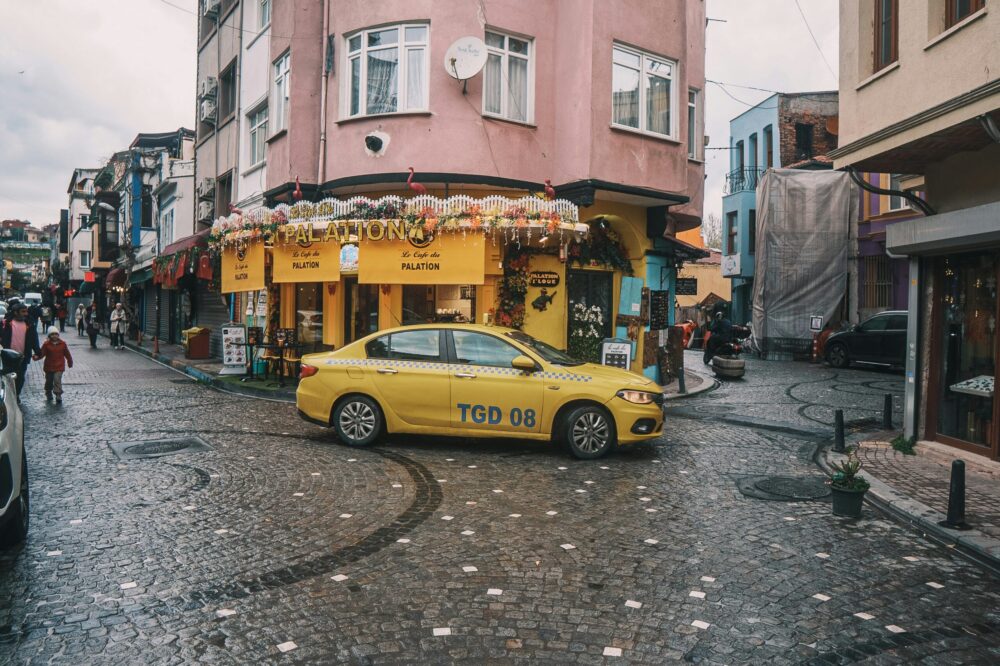
Photo by Jeffrey Zhang on Unsplash



I’m applying from Pakistan and the consulate asked for 6 months of bank statements. Is that normal?
Yes, some consulates require statements covering up to 6 months. Always check with your specific Turkish consulate, as requirements can vary by country. Providing 6 months of statements with a consistent balance is a safe approach.
I’m planning to study in Istanbul. Should I prepare more funds than for other cities?
Yes, Istanbul is more expensive. While $500–$800 per month is a general range, for Istanbul aim toward the higher end or even $800–$1,000 per month. Check cost of living estimates for your specific city.
Do I need to show the money in my own account, or can my parents sponsor me?
You can use a sponsor’s account. You’ll need a signed sponsorship letter, their bank statements (last 3-6 months), and proof of relationship (like a birth certificate). The sponsor’s funds must meet the required amount.
What if I have a scholarship that covers everything? Do I still need to show bank statements?
If you have a full scholarship (e.g., Türkiye Bursları), provide the official award letter detailing coverage of tuition, living expenses, and duration. That usually suffices, but some consulates may ask for additional proof of incidental funds. Always confirm with your consulate.
Can I use a fixed deposit certificate as proof?
Yes, fixed deposit or savings certificates are accepted as long as they show the current value and that the funds are readily accessible. Some consulates prefer liquid accounts, so check with your consulate. Provide a letter from the bank stating you can withdraw if needed.