
Table des matières:
Introduction
Barcelona is one of Europe’s most vibrant cities, known for its stunning architecture, rich culture, and Mediterranean charm. But for tourists with mobility issues, a key question arises: Is Barcelona wheelchair accessible for tourists with mobility issues? The answer is increasingly yes, but with some caveats. While the city has made significant strides in accessibility, navigating its historic streets and older attractions can still pose challenges. This guide provides a comprehensive overview of wheelchair accessibility in Barcelona, covering transportation, top attractions, accommodations, and practical tips to ensure a smooth and enjoyable trip.
Overall Accessibility in Barcelona
Barcelona has been proactive in improving accessibility for people with disabilities. The city has implemented regulations and infrastructure upgrades to make public spaces, transport, and tourist sites more inclusive. However, due to its medieval layout and narrow sidewalks in the Gothic Quarter, some areas remain difficult to navigate. It’s essential to plan ahead and know which parts of the city are most accessible.
Public Transportation
Barcelona’s public transport system is one of the most accessible in Europe. Here’s a breakdown of key modes:
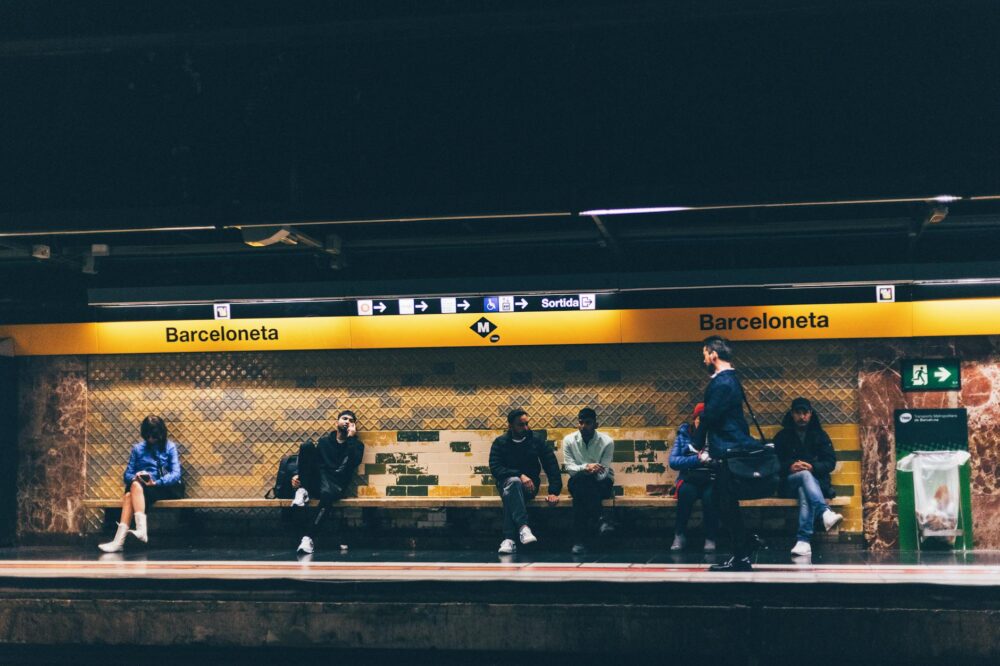
- Metro: Approximately 90% of metro stations are wheelchair accessible, with elevators, ramps, and tactile paving. Look for stations marked with a wheelchair symbol. Newer lines (L9, L10) are fully accessible, while older stations (especially in the city center) may have limited access.
- Buses: All TMB buses are low-floor and equipped with ramps, making them wheelchair friendly. Drivers are trained to assist when needed.
- Trams: Barcelona’s tram lines (T1-T6) are fully accessible with level boarding.
- Taxis: Accessible taxis are available, but it’s best to book in advance via apps like Free Now or call a specialized service. Look for taxis with a wheelchair symbol.
Sidewalks and Streets
Many main boulevards (like Passeig de Gràcia and La Rambla) are wide and flat, but side streets in the Gothic Quarter can be narrow, cobblestoned, and uneven. Curb cuts are common but not universal. Be prepared for some bumpy rides.
Wheelchair-Accessible Attractions
Barcelona offers many accessible attractions, but some require advance planning. Below are key sites with their accessibility status.
Sagrada Família
This iconic basilica is fully wheelchair accessible. There are ramps at the entrance, an elevator to the towers (with limited capacity), and accessible restrooms. It’s advisable to book tickets online and request an accessible entrance.
Park Güell
Park Güell has limited accessibility due to its hillside location. The monumental zone (where the famous mosaic bench is) is partially accessible via ramps, but some areas have steps. The rest of the park has steep paths. Consider a taxi to the upper entrance to avoid the steep climb.
La Boqueria Market
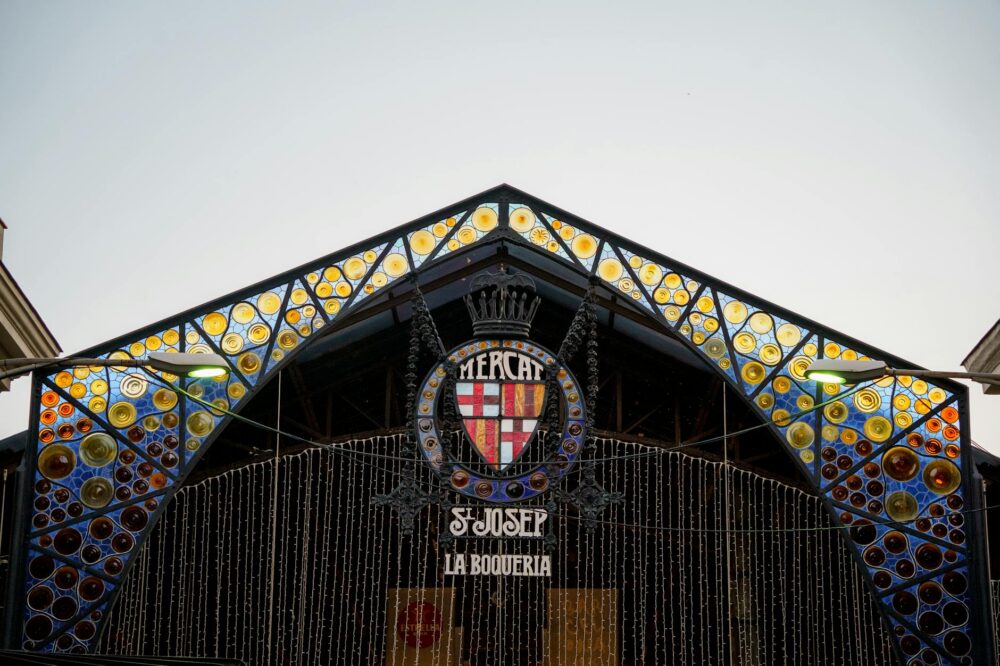
This bustling market is mostly accessible with wide aisles, though it can get crowded. There are accessible restrooms nearby.
Barcelona Cathedral
The cathedral is partially accessible. The main entrance has a ramp, but the cloister and some chapels have steps. The elevator to the roof is wheelchair accessible.
Camp Nou Stadium
The home of FC Barcelona is fully accessible, with designated seating areas, elevators, and accessible restrooms. The museum is also wheelchair friendly.
Beaches
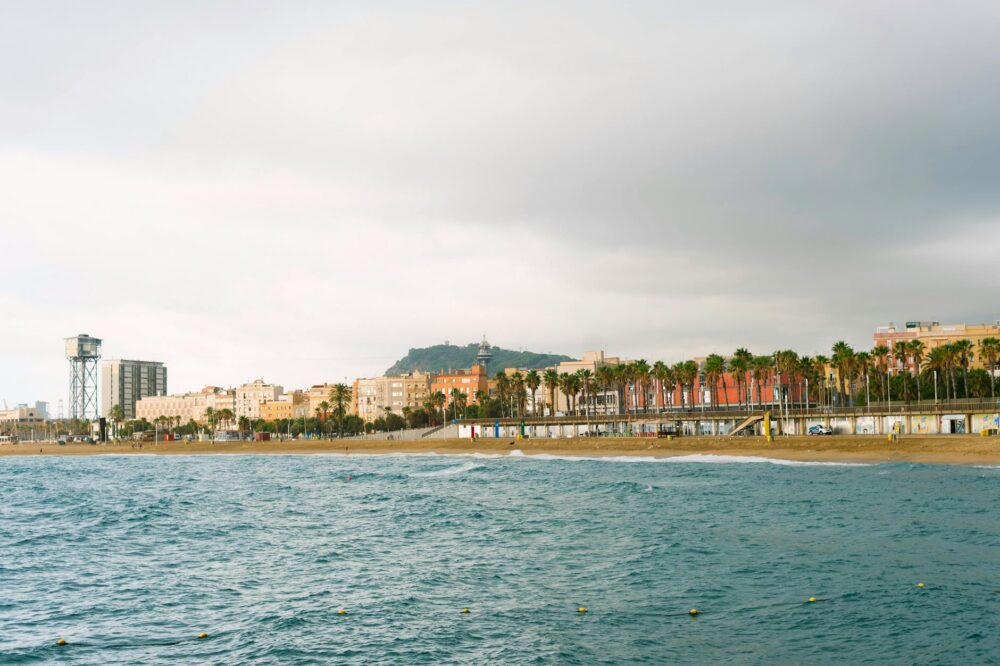
Barcelona’s beaches (like Barceloneta) have wooden ramps leading to the sand and amphibious wheelchairs available for free at lifeguard stations during summer. Accessible restrooms and showers are provided.
Accommodation for Wheelchair Users
Many hotels in Barcelona offer accessible rooms, but it’s essential to confirm details before booking. Look for hotels with step-free entrances, wide doorways, roll-in showers, and grab bars. Chains like NH, Meliá, and Hilton typically have accessible options. Use booking filters and read recent reviews from wheelchair users.
Practical Tips for Wheelchair Travelers
- Plan ahead: Check accessibility info on official websites and call ahead if unsure.
- Use accessible apps: Google Maps has a wheelchair-accessible route option. Apps like Wheelmap show user-rated accessibility of locations.
- Book tickets online: Many attractions offer reduced rates for companions and priority entry for disabled visitors.
- Consider a guided tour: Some companies specialize in accessible tours, providing adapted vehicles and knowledgeable guides.
- Be cautious with cobblestones: They can be challenging for manual wheelchair users. Consider a power wheelchair or a travel chair with larger wheels.
- Accessible restrooms: Public restrooms are scarce. Use restrooms in museums, hotels, or shopping centers. The app WC4EU can help locate accessible toilets.
Conclusion
So, is Barcelona wheelchair accessible for tourists with mobility issues? Yes, but with some preparation. The city has invested heavily in accessibility, making it one of the more wheelchair-friendly destinations in Europe. While historic areas pose challenges, modern infrastructure, accessible transport, and inclusive attractions ensure that most visitors can enjoy Barcelona’s beauty. By planning ahead, using available resources, and knowing what to expect, wheelchair users can have a memorable and stress-free trip to this Catalan gem.
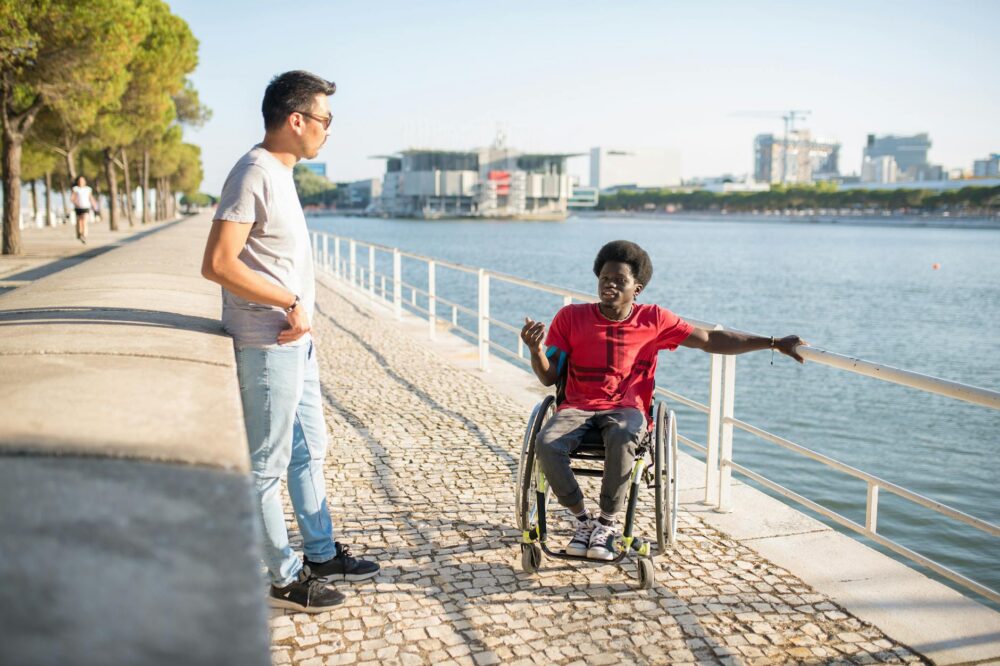
Photo by Kampus Production on Pexels

I’m planning a trip to Barcelona with my elderly mother who uses a walker. Are the sidewalks in the Gothic Quarter manageable for someone with a walker, or should we avoid that area?
The Gothic Quarter’s narrow, cobblestoned streets can be challenging for walkers due to uneven surfaces. However, main routes like La Rambla and Via Laietana are smoother. We recommend sticking to wider streets and using a rollator with larger wheels for better stability. Planning a route in advance using Google Maps’ wheelchair-accessible option can help avoid problematic areas.