Table des matières:
Introduction to the Spanish Steps
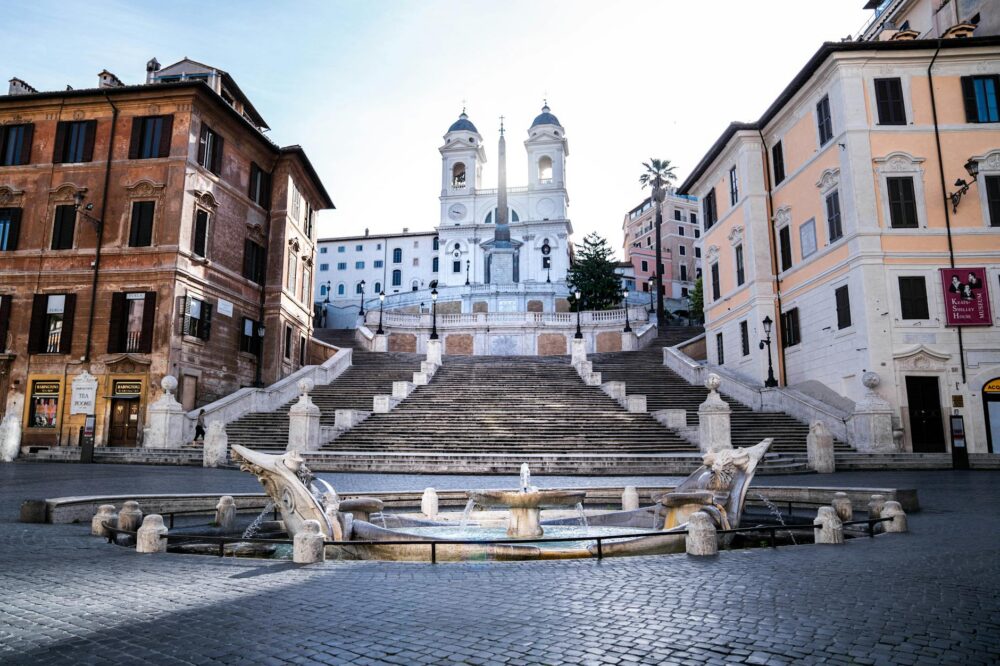
Rome’s Spanish Steps, or Scalinata di Trinità dei Monti, are one of the city’s most iconic landmarks, attracting millions of visitors each year. This grand staircase connects Piazza di Spagna at the base to the Trinità dei Monti church at the top, offering stunning views and a rich historical backdrop. If you’re planning a trip to Rome, knowing how to visit the Spanish Steps and what are the current regulations is essential for a smooth and enjoyable experience. This guide provides a detailed overview, from practical tips to the latest rules, ensuring you make the most of your visit while respecting this treasured site.
Historical and Cultural Significance
Built between 1723 and 1725, the Spanish Steps were designed by architects Francesco de Sanctis and Alessandro Specchi, funded by French diplomat Étienne Gueffier. They serve as a symbol of the historic connection between the Spanish Embassy and the Holy See. The steps have been featured in numerous films and literary works, cementing their status as a cultural icon. Understanding this history enriches your visit, as you walk the same steps that have witnessed centuries of Roman life and artistic inspiration.
How to Visit the Spanish Steps: Practical Information
Visiting the Spanish Steps is straightforward, but a bit of planning can enhance your experience. Here’s what you need to know to navigate your trip effectively.
Location and Accessibility
The Spanish Steps are located in the heart of Rome, at Piazza di Spagna in the Campo Marzio district. They are easily accessible by public transportation, making them a convenient stop on any Rome itinerary.
- By Metro: Take Line A to the Spagna station, which exits directly into Piazza di Spagna.
- By Bus: Several bus lines, including 117 and 119, stop nearby.
- On Foot: The steps are within walking distance of other major attractions like the Trevi Fountain and Piazza del Popolo.
Note that the area can be crowded, especially during peak tourist seasons, so consider visiting early in the morning or late in the evening for a more peaceful experience.
Best Times to Visit
Timing your visit can significantly impact your enjoyment. The Spanish Steps are open year-round, but certain times offer better conditions.
- Early Morning: Arrive before 9 AM to avoid large crowds and capture beautiful photos in soft light.
- Late Evening: After sunset, the steps are illuminated, creating a romantic atmosphere with fewer tourists.
- Off-Peak Seasons: Visit in spring (April-May) or autumn (September-October) for mild weather and smaller crowds compared to summer.
- Avoid Midday: Midday, especially in summer, can be hot and packed with visitors, making it less ideal for a relaxed visit.
By planning ahead, you can enjoy the Spanish Steps at their best while learning how to visit the Spanish Steps and what are the current regulations in a more comfortable setting.
Current Regulations for Visiting the Spanish Steps
In recent years, Rome has implemented regulations to protect the Spanish Steps from damage and overcrowding. These rules are strictly enforced, so it’s crucial to be aware of them before your visit.
Prohibited Activities
To preserve this historic site, certain activities are banned on the Spanish Steps. Violations can result in fines, so adhere to these guidelines.
- No Sitting or Lying Down: Visitors are not allowed to sit, lie, or linger on the steps for extended periods. This rule aims to prevent wear and tear and maintain a clear path for others.
- No Eating or Drinking: Consuming food or beverages on the steps is prohibited to avoid litter and stains.
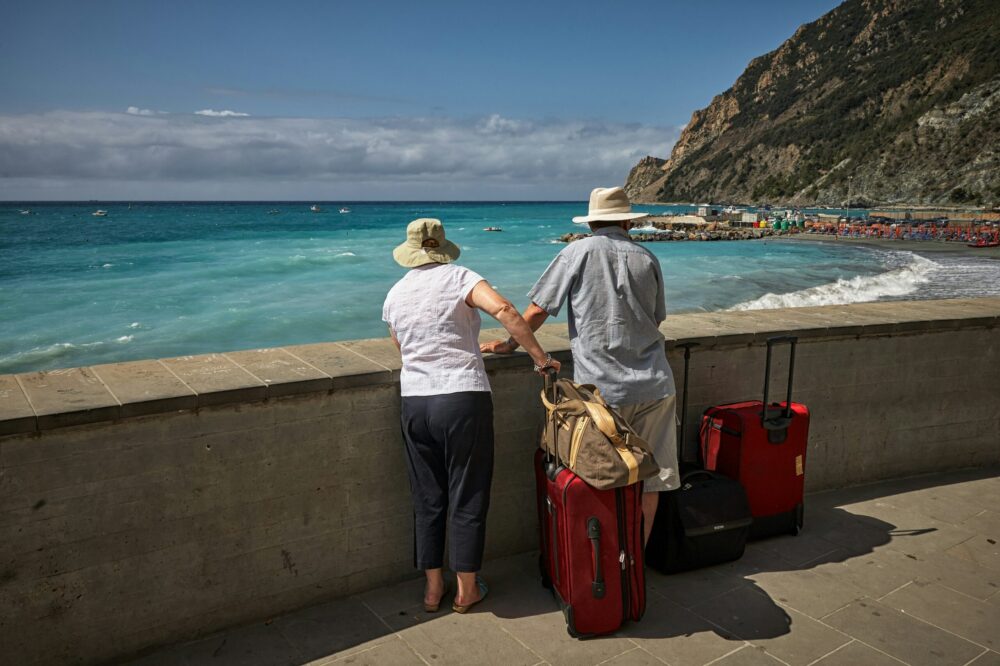
- No Large Bags or Luggage: Avoid bringing bulky items, as they can obstruct movement and pose safety risks.
- No Commercial Activities: Unauthorized vending or promotional events are not permitted on or near the steps.
These regulations help ensure that the Spanish Steps remain accessible and well-preserved for future generations. When planning how to visit the Spanish Steps and what are the current regulations, keep these restrictions in mind to avoid penalties.
Enforcement and Fines
Local authorities, including police and heritage protection officers, monitor the Spanish Steps regularly. Fines for violations can range from €250 to €400, depending on the offense. For example, sitting on the steps might incur a lower fine, while damaging the structure could lead to higher penalties or legal action. It’s recommended to stay informed through official sources like the Rome Tourism Board website for any updates to these rules.
Tips for a Smooth Visit
Beyond regulations, a few practical tips can make your visit more enjoyable and hassle-free. Here’s how to maximize your time at the Spanish Steps.
What to Bring and Wear
Packing appropriately can enhance your comfort and compliance with regulations.
- Comfortable Footwear: Wear sturdy shoes, as the steps can be slippery and require careful navigation.
- Light Layers: Rome’s weather can change quickly, so dress in layers to adapt to temperatures.
- Small Bag: Carry a compact bag for essentials like water, sunscreen, and a camera, but avoid large backpacks.
- Water Bottle: Stay hydrated, but remember to drink off the steps to comply with regulations.
By preparing well, you’ll be ready to explore without unnecessary stress.
Nearby Attractions and Activities
The Spanish Steps are surrounded by other notable sites, making it easy to combine visits. Consider adding these to your itinerary.
- Trevi Fountain: A short walk away, this famous fountain is a must-see for tossing a coin and making a wish.
- Piazza del Popolo: Another beautiful square with obelisks and churches, located north of the steps.
- Via Condotti: This luxury shopping street starts at the base of the steps, perfect for window-shopping or high-end purchases.
- Keats-Shelley House: A museum dedicated to Romantic poets, located beside the steps for literary enthusiasts.
Integrating these spots into your visit can provide a richer cultural experience while you learn how to visit the Spanish Steps and what are the current regulations.
Conclusion
Visiting the Spanish Steps is a highlight of any trip to Rome, offering a blend of history, architecture, and vibrant atmosphere. By understanding how to visit the Spanish Steps and what are the current regulations, you can ensure a respectful and memorable experience. Plan your visit during off-peak hours, adhere to the rules against sitting and eating, and explore nearby attractions to make the most of your time. With this guide, you’re well-equipped to enjoy one of Rome’s most beloved landmarks while contributing to its preservation. Whether you’re a first-time visitor or returning to the Eternal City, the Spanish Steps await with their timeless charm and beauty.
Photo by Pits Riccardo on Pexels