Table des matières:
Introduction to the Rome Metro System
Navigating a new city can be daunting, but Rome’s metro system offers a reliable and efficient way to explore its historic wonders. Understanding how to use the Rome metro system is key to making the most of your visit, whether you’re a tourist or a resident. This comprehensive guide will walk you through everything you need to know, from the main lines to practical tips for a smooth journey. By the end, you’ll feel confident using this essential public transport network to access Rome’s iconic sites and hidden gems.
Overview of the Rome Metro Network
The Rome metro, operated by ATAC, consists of three main lines that crisscross the city, connecting key districts, attractions, and transport hubs. It’s an integral part of Rome’s public transportation, complementing buses, trams, and trains. Learning how to use the Rome metro system starts with familiarizing yourself with these lines, which are color-coded for easy identification. The network is relatively compact compared to other major European cities, but it’s well-designed to serve central areas and suburbs efficiently.
Main Lines of the Rome Metro
Rome’s metro system is built around three primary lines: Line A, Line B, and Line C. Each line has distinct characteristics and serves different parts of the city, making it crucial to know which one to take for your destination. Here’s a breakdown of the main lines to help you plan your trips effectively.
Line A: The Orange Line
Line A, often called the Orange Line, runs from Battistini in the northwest to Anagnina in the southeast. It’s a vital route for tourists, as it stops near many of Rome’s top attractions. Key stations include:
- Spagna: Access to the Spanish Steps and Via dei Condotti shopping district.
- Barberini: Close to the Trevi Fountain and Piazza Barberini.
- Repubblica: Near Termini Station and the Baths of Diocletian.
- San Giovanni: Adjacent to the Basilica of San Giovanni in Laterano.
Line A is typically busy, especially during peak hours, but it’s a fast way to traverse the city center. When learning how to use the Rome metro system, note that this line intersects with Line B at Termini Station, Rome’s main transport hub.
Line B: The Blue Line
Line B, the Blue Line, extends from Rebibbia in the northeast to Laurentina in the southwest. It’s essential for reaching historical sites and residential areas. Notable stations include:
- Colosseo: Direct access to the Colosseum, Roman Forum, and Palatine Hill.
- Circo Massimo: Near the Circus Maximus and Baths of Caracalla.
- Piramide: Connects to Ostiense Station for trains to Fiumicino Airport.
- EUR Fermi: Serves the EUR business district with modern architecture.
Line B is older than Line A and can be more crowded, but it’s indispensable for exploring ancient Rome. It also splits into two branches at Bologna Station, with one going to Jonio and the other to Rebibbia, so check signs carefully.
Line C: The Green Line
Line C, the Green Line, is the newest addition, currently running from Monte Compatri-Pantano in the east to San Giovanni, where it connects with Line A. It’s still under expansion, with plans to extend further into the city center. Key stations include:
- San Giovanni: Interchange point with Line A, near the basilica.
- Lodi: Serves southeastern neighborhoods like Tuscolana.
- Pigneto: Access to the trendy Pigneto district with cafes and nightlife.
Line C uses driverless trains and modern technology, offering a smoother ride. While it covers fewer tourist spots currently, it’s growing in importance for how to use the Rome metro system, especially for residents in eastern suburbs.
How to Use the Rome Metro System: Step-by-Step Guide
Mastering how to use the Rome metro system involves a few straightforward steps, from purchasing tickets to navigating stations. Follow this guide to ensure a hassle-free experience.
Purchasing Tickets and Fares
Tickets are required for all metro rides and can be bought at stations or authorized retailers. Options include:
- BIT Ticket: Valid for 100 minutes on all public transport, including one metro ride. Cost: €1.50.
- 24-Hour Ticket: Unlimited travel for 24 hours from validation. Cost: €7.00.
- 48-Hour Ticket: Unlimited travel for 48 hours. Cost: €12.50.
- 72-Hour Ticket: Unlimited travel for 72 hours. Cost: €18.00.
- CIS Ticket: Weekly pass for unlimited travel. Cost: €24.00.
To purchase, use ticket machines at metro stations, which offer multiple languages. Validate your ticket at the turnstiles before boarding; fines for fare evasion are steep. For frequent use, consider rechargeable cards like Roma Pass, which includes metro access and museum discounts.
Navigating Stations and Platforms
Rome’s metro stations are marked with a red “M” sign. Once inside, follow signs for your line (A, B, or C) and direction. Key tips:
- Check station maps to confirm your route and interchanges.
- Listen to announcements, as some stations may have multiple exits.
- Use elevators or escalators if available, as many stations have stairs.
Platforms display real-time information on train arrivals. Trains typically run from 5:30 AM to 11:30 PM daily, with extended hours on weekends. During peak times (7-9 AM and 5-7 PM), expect crowds, so plan accordingly when learning how to use the Rome metro system.
Safety and Etiquette Tips
To ensure a safe and pleasant journey, keep these points in mind:
- Watch your belongings in crowded areas to prevent pickpocketing.
- Offer seats to elderly, disabled, or pregnant passengers.
- Avoid eating or drinking on trains to maintain cleanliness.
- Follow COVID-19 guidelines if applicable, such as mask-wearing.
Stations are generally safe, but stay alert, especially late at night. If you need assistance, look for ATAC staff or use emergency intercoms on platforms.
Key Routes and Tourist Attractions
Using the Rome metro system effectively can save time and enhance your sightseeing. Here are popular routes to major attractions.
From Termini Station to the Colosseum
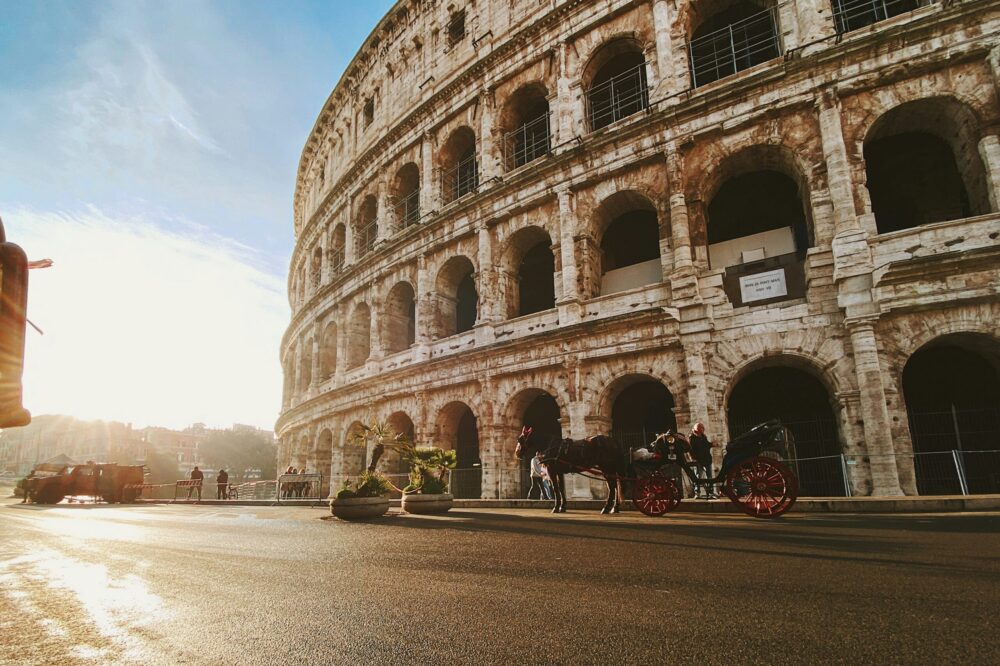
Take Line B from Termini Station to Colosseo Station. The ride takes about 5 minutes, and you’ll exit directly at the Colosseum. This is a prime example of how to use the Rome metro system for quick access to historic sites.
From Vatican City to the Spanish Steps
From Ottaviano Station (Line A) near Vatican City, ride to Spagna Station. The journey is approximately 10 minutes, dropping you at the Spanish Steps for shopping and photos.
From Trastevere to the Roman Forum
While Trastevere isn’t directly on the metro, take a bus to Piramide Station (Line B), then ride to Colosseo Station. This combo shows how to integrate metro with other transport.
Common Challenges and Solutions
Even with a guide on how to use the Rome metro system, you might encounter issues. Here’s how to handle them.
Delays and Service Interruptions
Occasional delays occur due to maintenance or events. Check ATAC’s website or app for real-time updates. Have a backup plan, such as buses or taxis, for critical trips.
Language Barriers
Signs and announcements are in Italian, but most station maps include English. Learn basic phrases like “dove” (where) or use translation apps if needed.
Accessibility Concerns
Not all stations are fully accessible; some lack elevators. Research ahead or ask staff for assistance. Lines A and C tend to have better facilities than Line B.
Conclusion: Mastering the Rome Metro
Learning how to use the Rome metro system is a valuable skill for anyone visiting or living in the Eternal City. By understanding the main lines—A, B, and C—and following practical tips on tickets and navigation, you can travel efficiently and comfortably. Remember to plan your routes around key attractions, stay aware of your surroundings, and utilize resources like ATAC apps for updates. With this knowledge, you’re ready to explore Rome’s rich history and culture with ease, making the metro an integral part of your Roman adventure.
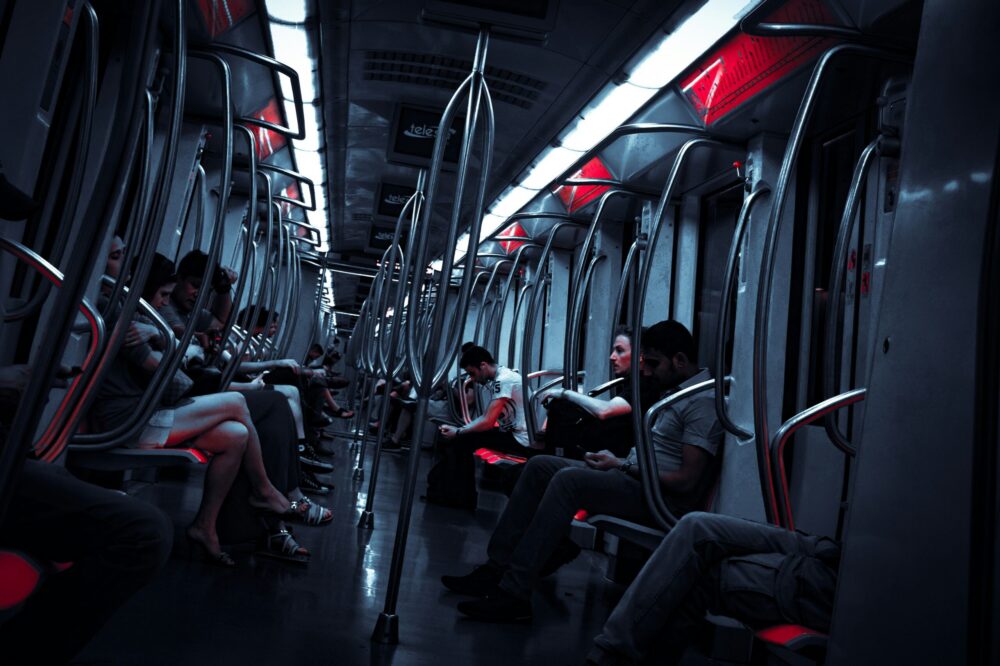
Photo by Stéphen Roy on Unsplash