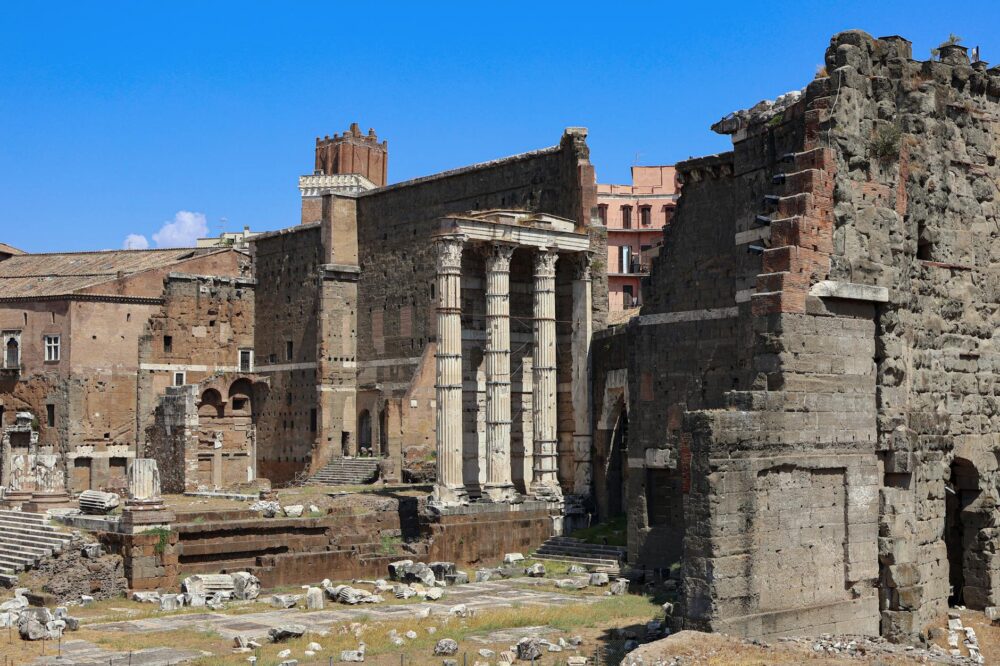
Navigating a new city’s public transportation can be daunting, especially in a bustling metropolis like Rome. With its rich history, iconic landmarks, and vibrant culture, Rome attracts millions of visitors each year. To make the most of your trip, understanding how to use the Rome metro system and buy tickets efficiently is essential. This guide provides a comprehensive overview, from planning your route to purchasing tickets and avoiding common pitfalls, ensuring you travel like a pro.
Table des matières:
Understanding the Rome Metro System
The Rome metro, operated by ATAC, consists of three main lines: Line A (orange), Line B (blue), and Line C (green). Line A connects the Vatican area to the eastern suburbs, passing through key stops like Spagna (Spanish Steps) and Termini (central station). Line B runs from the northeast to the southwest, with stops at Colosseo (Colosseum) and Piramide (Testaccio area). Line C, the newest line, serves the southeastern parts of the city and is gradually expanding. Knowing these lines is the first step in learning how to use the Rome metro system and buy tickets efficiently.
Key Metro Stations and Landmarks
Rome’s metro stations are strategically located near major attractions. For example, the Colosseo stop on Line B provides direct access to the Colosseum and Roman Forum, while Spagna on Line A leads to the Spanish Steps and Via dei Condotti shopping district. Termini station, served by both Lines A and B, is a major hub for trains, buses, and metro connections, making it a central point for travelers. When planning your journey, identify the nearest metro station to your destination to streamline your travel.
How to Buy Tickets for the Rome Metro
Buying tickets efficiently is crucial to avoid long queues and confusion. Tickets are available at metro stations, tobacco shops (tabaccherie), newsstands, and automated machines. For a seamless experience, consider these options:
- BIT Ticket: Valid for 100 minutes on all public transport, including metro, buses, and trams. Ideal for short trips.
- 24-Hour Ticket: Unlimited travel for 24 hours from validation. Perfect for a day of sightseeing.
- 48-Hour or 72-Hour Tickets: Extended options for longer stays, offering unlimited rides.
- CIS Ticket: A weekly pass for unlimited travel, great for extended visits.
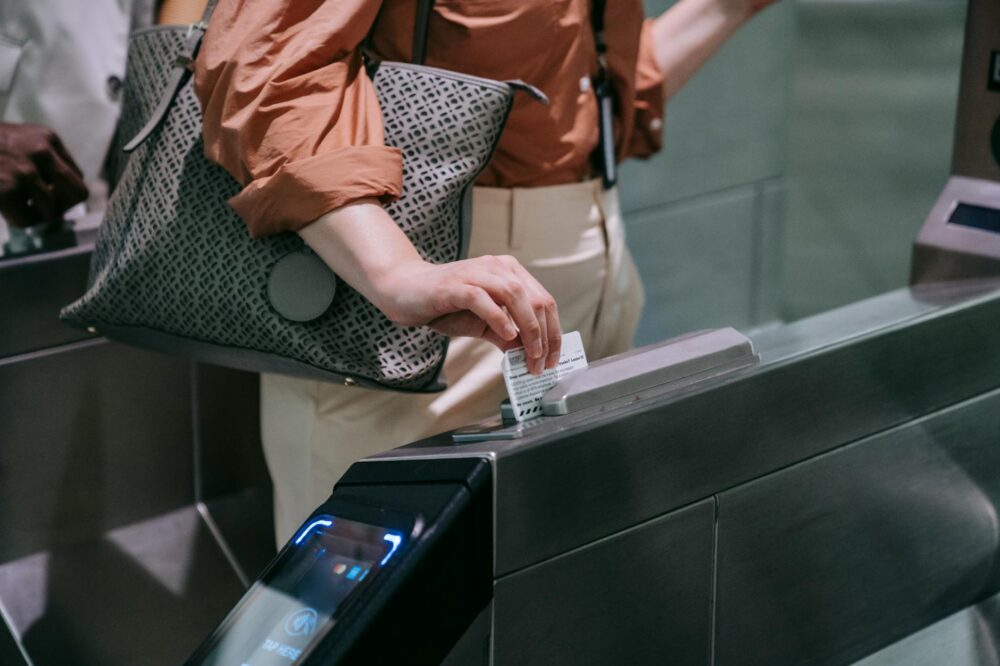
To buy tickets efficiently, use the automated machines at metro stations, which offer multiple language options. Avoid peak hours, such as early mornings and late afternoons, when machines may have longer lines. Always validate your ticket before boarding by stamping it in the yellow machines at metro entrances or on buses to avoid fines.
Tips for Efficient Ticket Purchases
To master how to use the Rome metro system and buy tickets efficiently, keep these tips in mind. First, purchase multiple tickets in advance to save time during your trip. Second, consider using contactless payment methods if available, as some stations now accept credit cards at gates. Third, download the ATAC official app for real-time updates and digital ticket options. Remember, tickets are interchangeable across metro, buses, and trams, so plan your routes accordingly.
Navigating the Metro: Step-by-Step Guide
Once you have your ticket, follow these steps to navigate the metro smoothly. Start by checking the metro map, available at stations and online, to identify your route. Enter the station through the gates, validating your ticket as you go. Follow signs to your line (A, B, or C) and direction (e.g., Line A towards Anagnina or Battistini). Wait on the platform behind the yellow line, and board when the train arrives. Inside, check the display screens for upcoming stops. To exit, follow signs to the uscita (exit) and pass through the gates without re-validating your ticket.
Avoiding Common Mistakes
Travelers often make errors that can disrupt their journey. For instance, failing to validate tickets can result in hefty fines, so always stamp your ticket. Avoid traveling during rush hours (7-9 AM and 5-7 PM) when trains are crowded. Be mindful of pickpockets in busy stations like Termini or Colosseo—keep valuables secure. Lastly, double-check station names, as some stops have similar-sounding names (e.g., Ottaviano for Vatican vs. Ottaviana). By learning how to use the Rome metro system and buy tickets efficiently, you can sidestep these issues.
Integrating Metro with Other Transport
The Rome metro works in tandem with buses, trams, and regional trains, offering a comprehensive network. For example, use the metro to reach major hubs like Termini, then transfer to buses for destinations not served by metro, such as Trastevere or the Appian Way. Tickets are valid across all modes, so you can switch seamlessly. Plan your route using apps like Google Maps or Moovit for real-time connections. This integration is key to using the Rome metro system and buying tickets efficiently, as it maximizes your mobility.
Accessibility and Special Considerations
Rome’s metro is gradually improving accessibility, but not all stations have elevators or escalators. Check the ATAC website for accessible stations if you have mobility needs. For families, note that strollers are allowed but may be challenging during peak times. Tourists should carry a map or use a GPS app to navigate exits, as stations can have multiple exits leading to different streets. By considering these factors, you can enhance your efficiency in using the Rome metro system.
Cost-Saving Strategies for Travelers
To use the Rome metro system and buy tickets efficiently while saving money, evaluate your travel needs. If you’re in Rome for a few days, a 72-hour ticket may offer better value than single tickets. For longer stays, the CIS weekly pass is economical. Additionally, some tourist passes, like the Roma Pass, include metro access and museum discounts—compare options based on your itinerary. Avoid buying tickets from unauthorized sellers to prevent scams. By planning ahead, you can optimize both cost and convenience.
Seasonal and Event-Based Tips
During peak tourist seasons (spring and summer) or events like holidays, the metro can be busier. Purchase tickets online or via app to bypass queues. Service may be altered during strikes or maintenance—check ATAC updates beforehand. In winter, metro hours might adjust slightly, so verify schedules if traveling late. Adapting to these conditions is part of learning how to use the Rome metro system and buy tickets efficiently in any situation.
Conclusion: Mastering Rome’s Metro for a Smooth Journey
In summary, knowing how to use the Rome metro system and buy tickets efficiently can transform your travel experience in the Eternal City. From understanding the metro lines and purchasing the right tickets to navigating stations and integrating with other transport, these tips ensure you move through Rome with ease. Remember to validate tickets, avoid rush hours, and use digital tools for planning. With this guide, you’re equipped to explore Rome’s wonders efficiently, making your visit both enjoyable and stress-free. Start planning your metro adventures today and discover Rome like a local!
Photo by Liliana Drew on Pexels