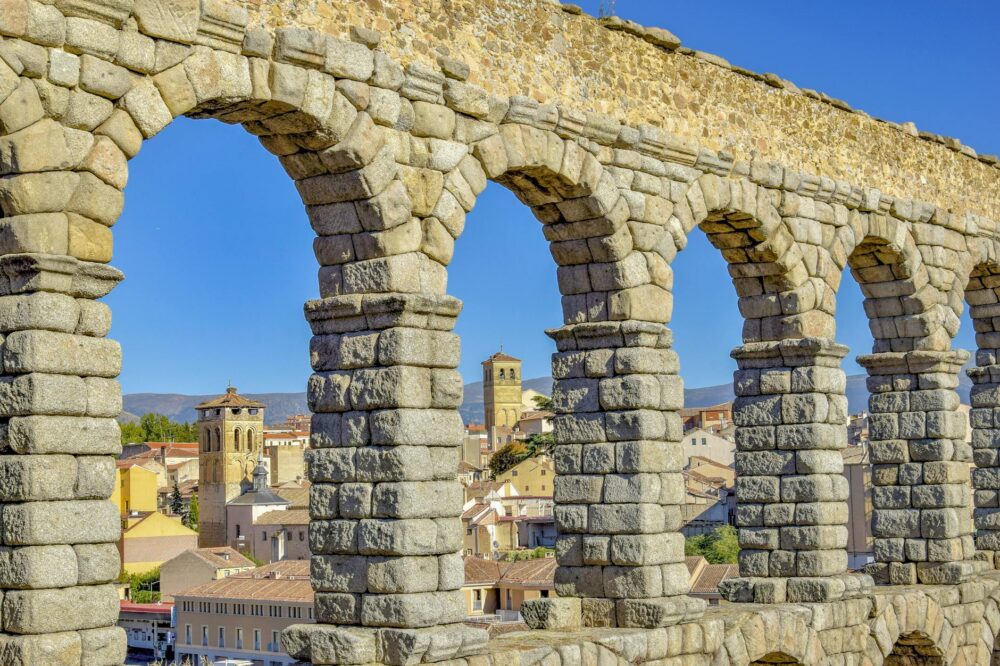
Rome is famous for its iconic landmarks like the Colosseum and Roman Forum, but the ancient Roman Empire extended far beyond the city center. For travelers seeking a deeper historical experience, exploring ancient Roman aqueducts and ruins outside the main tourist hubs offers a unique glimpse into Rome’s engineering prowess and daily life. This guide highlights key sites where you can see these marvels away from the crowds, providing practical tips for your visit.
Table des matières:
Why Explore Ancient Roman Aqueducts and Ruins Outside Rome’s Center?
Venturing beyond Rome’s city center allows you to appreciate the scale and sophistication of Roman infrastructure. Ancient Roman aqueducts, in particular, demonstrate remarkable engineering that supplied water to the city and its surroundings. By visiting these sites, you gain insight into how Romans managed resources and built lasting structures. Additionally, ruins outside the center often feature fewer tourists, offering a more peaceful and immersive experience.
Key Benefits of Visiting These Sites
Exploring ancient Roman aqueducts and ruins outside the city center provides several advantages. You can see well-preserved examples of Roman architecture without the hustle of central Rome. Many sites are set in scenic countryside or park settings, enhancing the visit with natural beauty. This approach also helps distribute tourism, supporting local communities and preservation efforts.
Top Ancient Roman Aqueducts to See Outside Rome’s Center
Roman aqueducts are among the most impressive feats of ancient engineering, and several notable examples lie beyond the city center. These structures transported water over long distances, showcasing advanced techniques in construction and hydraulics.
Aqua Claudia and Anio Novus
Located in the Parco degli Acquedotti (Aqueduct Park) in the southeastern suburbs of Rome, the Aqua Claudia and Anio Novus are must-see ancient Roman aqueducts. Built in the 1st century AD, these aqueducts supplied water to Rome and feature towering arches that stretch across the landscape. The park offers walking paths where you can admire these structures up close, making it an ideal spot for photography and historical reflection.
- Location: Parco degli Acquedotti, Via Lemonia, Rome
- Best Time to Visit: Early morning or late afternoon for optimal lighting
- Accessibility: Easily reachable by metro (Line A to Giulio Agricola station)
Aqua Virgo
The Aqua Virgo, constructed in 19 BC, is another significant ancient Roman aqueduct outside the city center. It still feeds the Trevi Fountain today, but sections can be explored near the Villa Borghese area. This aqueduct highlights the durability of Roman engineering and its integration into modern Rome.
- Notable Feature: Partially underground sections visible in parks
- Historical Significance: One of the few ancient aqueducts still in use
Ancient Roman Ruins to Discover Beyond the City Center
In addition to aqueducts, numerous ruins outside Rome’s center offer insights into Roman life, from residential areas to industrial sites. These locations provide a broader perspective on the empire’s reach and daily activities.
Ostia Antica
Ostia Antica, located about 30 kilometers southwest of Rome, is a well-preserved ancient Roman port city. It features ruins of apartments, baths, temples, and theaters, giving a comprehensive view of urban life. As a key site for seeing ancient Roman ruins outside the city center, it’s less crowded than Pompeii but equally fascinating.
- How to Get There: Take the Roma-Lido train from Porta San Paolo station
- Highlights: The Forum, Thermopolium (ancient snack bar), and mosaics
- Tip: Allow at least half a day to explore fully
Hadrian’s Villa (Villa Adriana)
Hadrian’s Villa in Tivoli, approximately 30 kilometers east of Rome, is a UNESCO World Heritage site and a prime example of ancient Roman ruins outside the city center. Built by Emperor Hadrian in the 2nd century AD, this vast complex includes palaces, baths, and libraries set in expansive gardens. It reflects Roman architectural innovation and imperial luxury.
- Transportation: Regional train from Rome to Tivoli, then a short bus ride
- Key Structures: Canopus, Maritime Theatre, and Pecile
- Visitor Advice: Wear comfortable shoes due to the large site area
Appian Way (Via Appia Antica)
The Appian Way, one of Rome’s earliest and most important roads, stretches beyond the city center and is lined with ancient Roman ruins. Walking or cycling along this historic route, you can see tombs, catacombs, and remnants of villas. It’s an excellent way to experience ancient infrastructure in a rural setting.
- Access: Start at the Porta San Sebastiano gate in Rome
- Points of Interest: Catacombs of San Callisto, Tomb of Cecilia Metella
- Recommended Activity: Rent a bike for a leisurely exploration
Practical Tips for Visiting Ancient Roman Aqueducts and Ruins Outside Rome’s Center
To make the most of your visit to ancient Roman aqueducts and ruins outside the city center, planning is essential. Consider these tips for a smooth and enriching experience.
Transportation and Accessibility
Many sites outside Rome’s center are accessible by public transport, such as trains, buses, or metro lines. For example, the Parco degli Acquedotti is near a metro station, while Ostia Antica requires a train ride. Renting a car can offer more flexibility for remote locations like Hadrian’s Villa, but check parking availability in advance.
- Useful Apps: Google Maps or Rome’s public transport app for routes
- Cost: Public transport tickets are affordable; consider a Roma Pass for discounts
Best Times to Visit
To avoid crowds and extreme heat, visit ancient Roman aqueducts and ruins outside the city center during off-peak hours. Early mornings or weekdays are ideal, especially in summer. Spring and autumn offer pleasant weather for outdoor exploration.
- Seasonal Advice: Summer can be hot; bring water and sun protection
- Opening Hours: Check official websites for current times, as they may vary
Guided Tours vs. Independent Exploration
Guided tours can enhance your understanding of ancient Roman aqueducts and ruins outside the city center, providing historical context and insights. However, independent exploration allows for a more flexible pace. Weigh your preferences based on your interest in history and budget.
- Tour Options: Look for specialized tours focusing on aqueducts or specific ruins
- Self-Guided Resources: Audio guides or mobile apps are available at many sites
Conclusion
Exploring ancient Roman aqueducts and ruins outside Rome’s city center offers a rewarding journey into the past, away from the typical tourist paths. From the majestic arches of the Aqua Claudia to the sprawling ruins of Ostia Antica, these sites showcase the ingenuity and legacy of the Roman Empire. By planning your visit with our tips, you can enjoy a deeper connection to history while supporting sustainable tourism. Whether you’re a history enthusiast or a curious traveler, discovering where to see ancient Roman aqueducts and ruins outside the city center enriches your Roman adventure with unforgettable insights.
Photo by Emilio Sánchez Hernández on Pexels