Table des matières:
How to Plan a Trip to the French Region of Grand Est in 2026: A Complete Guide
Planning a trip to the French region of Grand Est in 2026 offers an exciting opportunity to explore one of Europe’s most diverse and historically rich areas. Nestled in northeastern France, Grand Est is a captivating blend of French, German, and Luxembourgish influences, making it a unique destination for travelers seeking culture, cuisine, and scenic beauty. Whether you’re drawn to the vineyards of Champagne, the medieval streets of Strasbourg, or the battlefields of Verdun, a well-organized trip ensures you make the most of your visit. This guide provides step-by-step advice on how to plan a trip to the French region of Grand Est in 2026, covering everything from timing and logistics to must-see attractions and local tips.
Why Visit Grand Est in 2026?
Grand Est is a region that promises unforgettable experiences, and 2026 is an ideal year to visit due to its blend of seasonal events and ongoing cultural developments. By planning ahead, you can align your trip with festivals, favorable weather, and less crowded periods. The region’s accessibility from major European cities and its rich heritage make it a top choice for travelers looking to immerse themselves in history, art, and gastronomy. Learning how to plan a trip to the French region of Grand Est in 2026 allows you to tailor your itinerary to personal interests, whether you’re a history buff, foodie, or nature enthusiast.
Step 1: Determine Your Travel Dates and Duration
Choosing the right time to visit Grand Est is crucial for an enjoyable experience. The region experiences four distinct seasons, each offering unique advantages.
Best Seasons for Visiting Grand Est
Spring (April to June) and autumn (September to October) are often considered the best times to visit Grand Est. During these months, the weather is mild, with temperatures ranging from 10°C to 20°C (50°F to 68°F), making it perfect for outdoor activities and sightseeing. The landscapes come alive with blooming flowers in spring or vibrant foliage in autumn, enhancing the region’s natural beauty. Summer (July to August) can be warm, with temperatures reaching up to 25°C (77°F), but it’s also peak tourist season, so expect larger crowds at popular sites like Strasbourg Cathedral or the Champagne houses. Winter (November to March) is colder, with temperatures often dropping below freezing, but it offers magical Christmas markets in cities like Strasbourg and Colmar, which are famous worldwide.
For a 2026 trip, consider aligning your visit with specific events:
- Strasbourg Christmas Markets (late November to December 2026)
- Champagne Harvest Festivals (September 2026)
- Verdun Memorial Events (various dates commemorating historical anniversaries)
Aim for a duration of 7 to 10 days to explore Grand Est thoroughly, allowing time for multiple cities and leisurely experiences.
Step 2: Set a Budget and Book Accommodations Early
Budgeting is a key aspect of how to plan a trip to the French region of Grand Est in 2026. Costs can vary based on travel style, from luxury stays in châteaux to budget-friendly hostels.
Estimated Costs for a 2026 Trip
On average, travelers can expect to spend:
- Accommodation: €80-€200 per night for mid-range hotels or vacation rentals
- Food: €30-€60 per day for meals at local restaurants and cafes
- Transportation: €100-€200 for regional trains or car rentals
- Activities: €50-€100 for entry fees to museums and tours
Booking accommodations early, especially for 2026, can secure better rates and availability. Popular cities like Strasbourg and Reims tend to fill up quickly during peak seasons. Consider staying in smaller towns like Epernay or Metz for a more authentic and affordable experience.
Step 3: Plan Your Itinerary and Key Attractions
Grand Est is home to numerous attractions, so crafting a balanced itinerary ensures you don’t miss the highlights. Focus on a mix of urban exploration, historical sites, and natural wonders.
Must-Visit Cities and Towns in Grand Est
Strasbourg: As the capital of Grand Est and seat of the European Parliament, Strasbourg is a must-see. Explore the UNESCO-listed Grande Île, visit the stunning Gothic cathedral, and wander through the picturesque Petite France district. In 2026, check for special exhibitions at museums like the Musée d’Art Moderne et Contemporain.
Reims: Known as the capital of Champagne, Reims is perfect for wine enthusiasts. Tour renowned Champagne houses such as Taittinger or Veuve Clicquot, and visit the Reims Cathedral, where French kings were crowned. Plan a day trip to the surrounding vineyards for tastings.
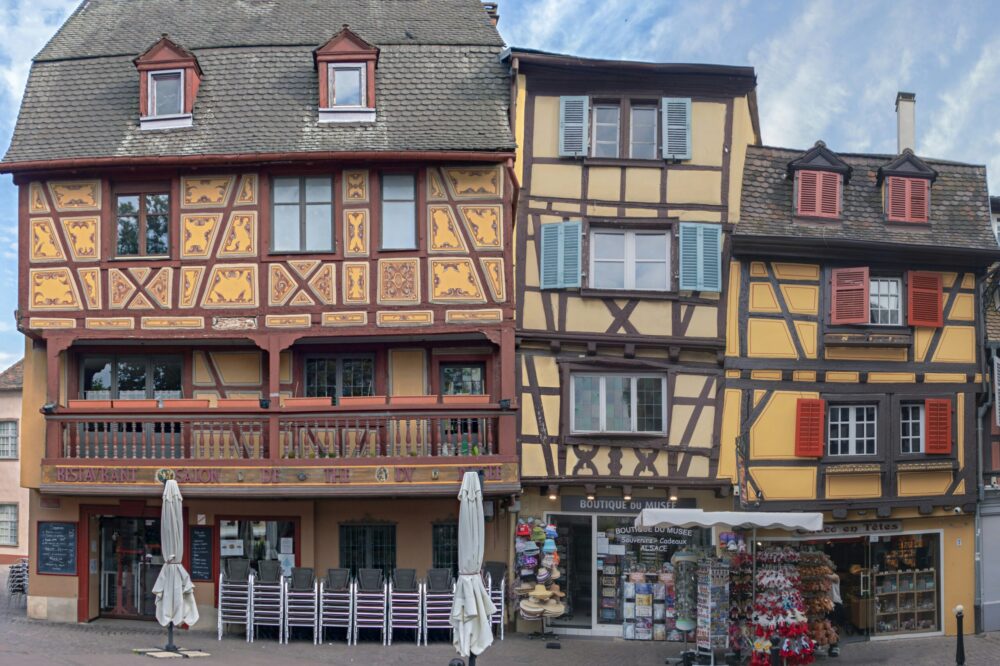
Colmar: Often called the “Little Venice” of France, Colmar charms visitors with its half-timbered houses and canals. Don’t miss the Unterlinden Museum, home to the Isenheim Altarpiece, and enjoy local Alsatian cuisine in the old town.
Verdun: For history buffs, Verdun offers poignant insights into World War I. Visit the Verdun Memorial, Douaumont Ossuary, and the battlefields to understand the region’s significant past.
Natural and Cultural Highlights
Beyond cities, Grand Est boasts beautiful landscapes:
- Vosges Mountains: Ideal for hiking, skiing, and scenic drives
- Champagne Vineyards: Explore the rolling hills and participate in harvest activities in 2026
- Lorraine Regional Natural Park: A haven for wildlife and outdoor enthusiasts
When planning how to plan a trip to the French region of Grand Est in 2026, allocate time for both guided tours and spontaneous discoveries to fully appreciate the area’s diversity.
Step 4: Arrange Transportation and Logistics
Getting around Grand Est is relatively easy, with options suited to different travel preferences.
Transportation Options for 2026
By Train: France’s efficient rail network, including TGV and regional trains, connects major cities like Strasbourg, Reims, and Metz. Booking tickets in advance for 2026 can save money and ensure seat availability. Consider a rail pass if planning extensive travel within the region.
By Car: Renting a car offers flexibility, especially for exploring rural areas like the Champagne route or Vosges Mountains. In 2026, check for updated driving regulations and parking availability in city centers.
By Air: The region is served by airports in Strasbourg (SXB), Metz-Nancy (ETZ), and Basel-Mulhouse-Freiburg (BSL), with connections to international destinations. For a 2026 trip, book flights early to secure the best deals.
Local Tips: Use public transportation in cities like Strasbourg, which has an excellent tram system. For shorter distances, biking is a popular and eco-friendly option, with many rental services available.
Step 5: Immerse Yourself in Local Culture and Cuisine
To truly experience Grand Est, engage with its rich cultural heritage and culinary delights. This region is a melting pot of French and German influences, reflected in its traditions and food.
Cultural Experiences to Include in Your 2026 Trip
Attend local festivals and events, such as the Strasbourg Music Festival or Christmas markets, which are iconic in Grand Est. Visit museums and historical sites to learn about the region’s past, from Roman times to modern European integration. In 2026, look out for special anniversaries or exhibitions that might enhance your visit.
Must-Try Foods and Drinks
Grand Est is a paradise for food lovers. Savor regional specialties like:
- Choucroute: A hearty dish of sauerkraut with sausages and potatoes
- Quiche Lorraine: A savory tart with bacon and cream
- Baeckeoffe: A slow-cooked meat and vegetable stew
- Champagne: Sample the world-famous sparkling wine directly from the source
Pair your meals with local wines from Alsace, such as Riesling or Gewürztraminer. Visiting markets and dining at family-run restaurants can provide authentic tastes of the region.
Step 6: Prepare Practical Details for a Smooth Trip
Finalizing practical aspects ensures a hassle-free journey to Grand Est in 2026.
Essential Preparations
Check visa requirements if traveling from outside the EU, as regulations may evolve by 2026. Ensure your passport is valid for at least six months beyond your travel dates. Purchase travel insurance to cover unexpected events, and inform your bank of international travel to avoid card issues.
Pack appropriately for the season: lightweight clothing for summer, layers for spring and autumn, and warm gear for winter. Don’t forget comfortable walking shoes, as exploring cities and sites often involves a lot of walking.
Learn basic French phrases to enhance interactions with locals, though English is widely spoken in tourist areas. Familiarize yourself with local customs, such as greeting with “bonjour” and tipping practices in restaurants.
Conclusion
Planning a trip to the French region of Grand Est in 2026 is an exciting endeavor that promises rich rewards. By following this guide on how to plan a trip to the French region of Grand Est in 2026, you can create a well-organized itinerary that balances sightseeing, culture, and relaxation. From the historic streets of Strasbourg to the sparkling vineyards of Champagne, Grand Est offers something for every traveler. Start your preparations early, book key elements in advance, and remain flexible to embrace spontaneous adventures. With careful planning, your 2026 visit to Grand Est will be a memorable journey through one of France’s most captivating regions, filled with discovery and enjoyment.
Photo by Snap Wander on Unsplash