
Table des matières:
Why Montpellier Should Be on Your 2026 Travel List
Montpellier, the vibrant capital of the Occitanie region in southern France, offers a perfect blend of historic charm, modern innovation, and Mediterranean sunshine. With its pedestrian-friendly medieval core, dynamic cultural scene, and proximity to beaches and vineyards, it’s an ideal destination for a 2026 vacation. Planning ahead ensures you make the most of your trip—avoiding crowds, securing the best deals, and experiencing the city like a local.
Whether you’re a history buff, foodie, or beach lover, this guide covers everything you need to know about how to plan a trip to Montpellier in 2026. From the best time to visit to budgeting tips and hidden gems, you’ll find practical advice to craft a memorable itinerary.
Best Time to Visit Montpellier in 2026
Montpellier enjoys a Mediterranean climate with hot summers and mild winters. The best times to visit are spring (April to June) and autumn (September to October) when the weather is pleasant and tourist numbers are lower. Summer (July-August) is peak season with many festivals but also higher prices and crowds. Winter (November-February) is quieter and more affordable, though some attractions have reduced hours.
Seasonal Highlights
- Spring: Blooming gardens, outdoor markets, and the Montpellier Danse festival in June.
- Summer: Beach days, the Estivales wine-tasting events, and the Festival de Radio France.
- Autumn: Harvest season, fewer tourists, and pleasant temperatures for sightseeing.
- Winter: Christmas markets, lower accommodation rates, and a cozy local vibe.
Getting to Montpellier in 2026
Montpellier is well-connected by air, rail, and road. The Montpellier-Méditerranée Airport (MPL) offers direct flights from major European cities. From the airport, a tram line connects to the city center in about 30 minutes. The TGV high-speed train from Paris takes just over 3 hours, making it a convenient option. If you’re driving, the A9 motorway links Montpellier to Spain and other French cities.
Where to Stay in Montpellier
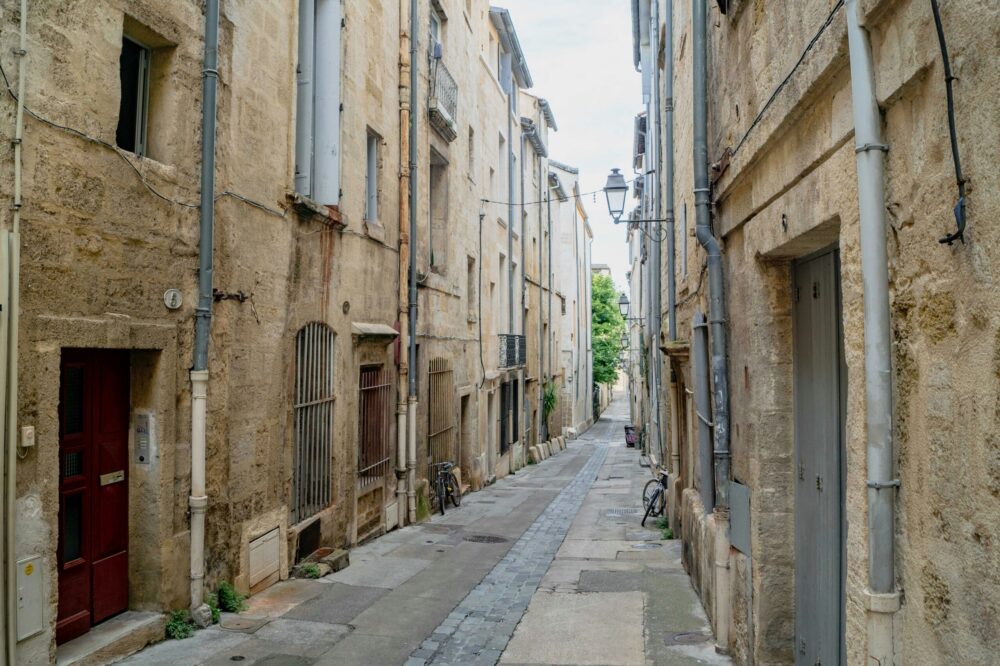
Accommodation ranges from budget hostels to luxury hotels. For a central location, consider the historic district (Écusson) with its narrow streets and proximity to attractions. The Antigone district offers modern apartments and easy tram access. For a quieter stay, try the residential areas near the botanical garden or the beach resort of Palavas-les-Flots, just 15 minutes away by bus.
Accommodation Tips
- Book early for summer or festival periods.
- Consider self-catering apartments for longer stays.
- Look for hotels near tram stops for easy mobility.
- Check if your accommodation includes a city tax (taxe de séjour).
Top Attractions and Activities
Montpellier boasts a wealth of attractions. Here are must-sees for your 2026 itinerary:
Historic and Cultural Sites
- Place de la Comédie: The city’s main square, home to the Opéra Comédie and bustling cafés.
- Saint-Pierre Cathedral: A Gothic masterpiece with a striking façade.
- Musée Fabre: One of France’s finest art museums, featuring works from the Renaissance to modern art.
- Arc de Triomphe and Promenade du Peyrou: A triumphal arch and a scenic promenade with views of the city.
Outdoor and Nature
- Jardin des Plantes: France’s oldest botanical garden, perfect for a relaxing stroll.
- Lez River Banks: Ideal for walking, cycling, or picnicking along the water.
- Beaches: Palavas-les-Flots, Carnon, and La Grande-Motte are easily reachable by tram or bus.
Food and Wine Experiences
- Les Halles Castellane: A covered market with fresh local produce, cheese, and seafood.
- Wine Tasting: Explore the Languedoc wine region with day trips to Saint-Chinian or Pic Saint-Loup.
- Cooking Classes: Learn to make traditional dishes like bouillabaisse or ratatouille.
Sample 5-Day Itinerary for Montpellier in 2026
Here’s a balanced plan to cover the city’s highlights:
| Day | Morning | Afternoon | Evening |
|---|---|---|---|
| 1 | Arrive & settle in | Explore Place de la Comédie & Écusson | Dinner at a local bistro |
| 2 | Musée Fabre | Saint-Pierre Cathedral & Jardin des Plantes | Wine tasting at a cave coopérative |
| 3 | Day trip to Palavas-les-Flots beach | Lunch by the sea & water sports | Seafood dinner in Palavas |
| 4 | Arc de Triomphe & Promenade du Peyrou | Les Halles Castellane & cooking class | Evening stroll along Lez River |
| 5 | Visit a local vineyard | Last-minute shopping & depart |
Budgeting for Your Trip
Costs in Montpellier are moderate compared to Paris. Here’s a rough daily budget per person:

- Budget traveler: €60-80 (hostel, street food, free attractions).
- Mid-range: €120-180 (hotel, restaurant meals, paid attractions).
- Luxury: €250+ (boutique hotel, fine dining, private tours).
Save money by using the tram (€1.60 per ride) and eating at markets. Many museums offer free entry on the first Sunday of the month.
Transportation Within Montpellier
The city has an efficient tram system with four lines covering most areas. A single ticket costs €1.60 and is valid for one hour. Day passes (€4.80) are ideal for tourists. Biking is also popular—rent a bike from the Vélomagg’ service. Walking is the best way to explore the historic center, which is largely car-free.
Practical Tips for a Smooth Trip
- Language: While French is the official language, many locals speak English, especially in tourism sectors. Learn a few basic phrases like “Bonjour” and “Merci.”
- Currency: Euro (€). Credit cards are widely accepted, but carry cash for small purchases.
- Safety: Montpellier is generally safe, but watch out for pickpockets in crowded areas.
- Packing: Comfortable walking shoes, sunscreen, a light jacket for evenings, and a reusable water bottle.
- Events in 2026: Check the city’s official website for festivals like Montpellier Danse (June) or the International Festival of Extreme Sports (May).
Common Mistakes to Avoid When Planning
- Overpacking your itinerary: Leave room for spontaneity.
- Ignoring siesta hours: Some shops close from 12-2 pm.
- Not booking popular restaurants in advance: Especially on weekends.
- Forgetting travel insurance: It covers medical emergencies and trip cancellations.
- Relying solely on taxis: Trams and bikes are cheaper and often faster.
Final Checklist: How to Plan a Trip to Montpellier in 2026
Use this checklist to ensure you don’t miss a step:
- Choose travel dates and book flights/train early.
- Reserve accommodation near tram lines.
- Purchase travel insurance and check passport validity.
- Plan a flexible daily itinerary with must-see attractions.
- Learn a few French phrases and download offline maps.
- Pack appropriate clothing and comfortable shoes.
- Set a budget and inform your bank of travel plans.
- Check for local events and book any timed-entry tickets.
Frequently Asked Questions
Is Montpellier expensive for tourists?
Montpellier is moderately priced. Expect to spend around €100-150 per day for a mid-range trip, excluding accommodation.
Do I need a car in Montpellier?
No, the tram and bike systems are excellent. A car is only useful for day trips to the countryside or beaches.
What is the best area to stay in Montpellier for first-time visitors?
The Écusson (historic center) is best for easy access to attractions, restaurants, and nightlife.
Can I visit Montpellier in one day?
While possible, you’ll only scratch the surface. Two to three days are recommended for a satisfying visit.
What food is Montpellier known for?
Local specialties include brandade de morue (salt cod purée), tielles (spicy fish pies), and Languedoc wines.
Is Montpellier safe for solo travelers?
Yes, it’s generally safe. Stay aware in crowded areas and at night, as with any city.
Planning a trip to Montpellier in 2026 is an exciting endeavor. With its sunny climate, rich history, and vibrant culture, this southern French gem promises an unforgettable experience. By following this guide, you’ll be well-prepared to explore the city like a pro. Bon voyage!
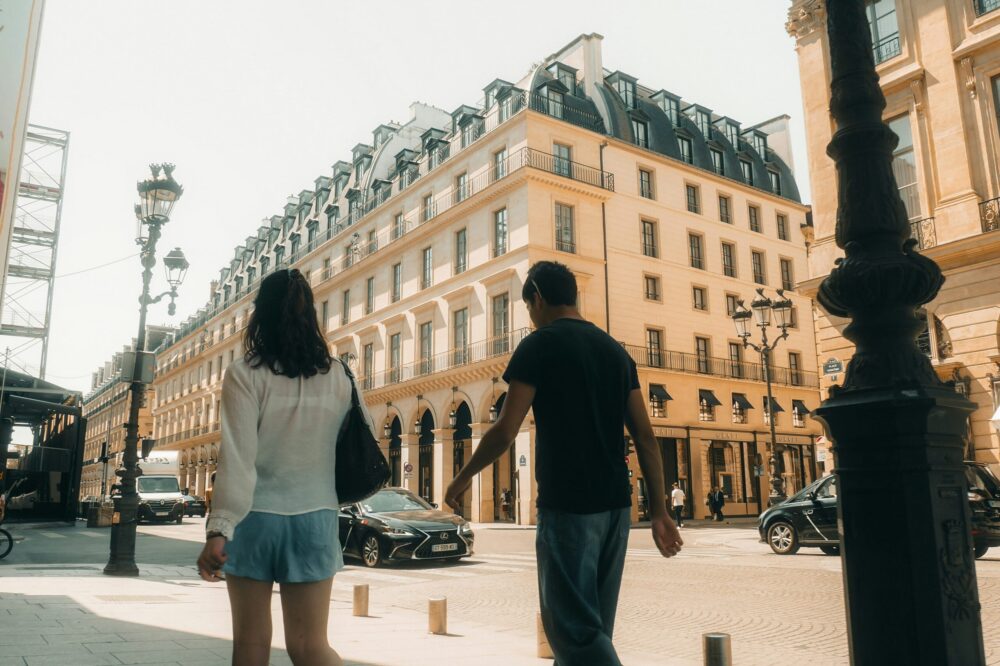
Photo by Jean-Baptiste D. on Unsplash

Does the tram from the airport run frequently? I’m worried about long waits after a late flight.
The tram line from Montpellier Airport to the city center runs every 10-15 minutes during the day, with reduced frequency after 9 PM. The last tram departs around midnight, so a late flight should still be fine. Check the TAM website for the exact schedule in 2026.
Is the city tax per person or per booking? And how much is it typically?
The city tax (taxe de séjour) is usually charged per person per night, and it varies by accommodation type. For hotels, it’s typically around €1-3 per person per night. It’s often collected at check-in or included in the booking. Always confirm with your accommodation beforehand.
I’m planning a trip in September 2026. Are there any specific festivals or events I should look out for?
September is a great time! The harvest season brings wine-related events, and you can enjoy the Fête de la Gastronomie, a national food festival, usually held in late September. Also, the Montpellier Méditerranée Métropole often hosts cultural events. Keep an eye on the city’s official events calendar.
Great guide! Any tips for finding affordable self-catering apartments in the Antigone district?
For self-catering apartments in Antigone, try booking platforms like Airbnb or Booking.com, filtering for entire apartments. Look for options near the Antigone tram stop for easy access. Booking at least 2-3 months in advance for September can help secure better rates. Also, check if the apartment includes a kitchen and basic amenities.