
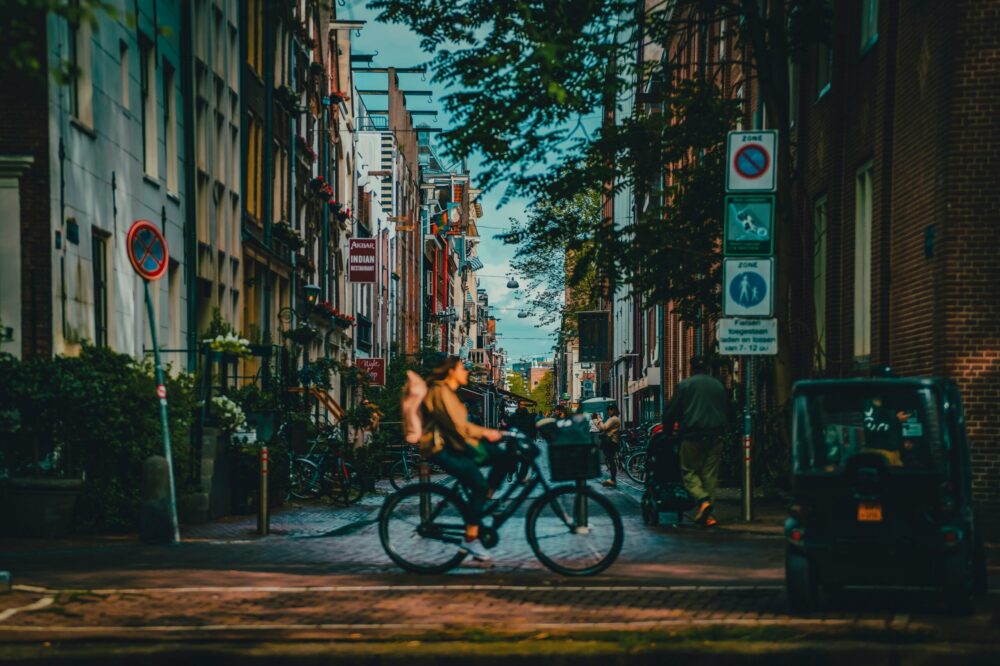
Securing a student housing contract in Amsterdam is one of the biggest challenges for international students. With a severe housing shortage and high demand, you need a clear strategy to find a legitimate rental agreement before the academic year starts. This guide walks you through the entire process—from understanding the market to signing a contract—so you can secure a place to live in the Dutch capital.
Table des matières:
Why Is Finding Student Housing in Amsterdam So Difficult?
Amsterdam’s student housing market is notoriously competitive. The city attracts thousands of international students each year, but the supply of affordable rooms and studios hasn’t kept pace. As a result, many students end up searching for months, paying high rents, or falling victim to scams. Understanding the landscape is your first step to success.
The Current Housing Situation
According to recent reports, Amsterdam has a shortage of over 10,000 student housing units. This means you cannot rely on luck alone. You need a proactive approach, starting your search at least 4–6 months before your move-in date. Most contracts run from August to July, so the peak search period is spring and early summer.
Types of Student Housing Contracts
In Amsterdam, you’ll encounter several types of rental agreements:
- Short-stay contracts: Typically 6–12 months, common for international students. Often offered by student housing corporations like DUWO, De Key, or private landlords.
- Indefinite contracts: Rare for students, but possible if you rent from a private landlord without a fixed end date. These offer more stability but are harder to get.
- Sublease or temporary sublet: When a tenant rents out their room while they are away. Must be approved by the landlord.
- Room rental with shared facilities: The most common setup: a private bedroom with shared kitchen, bathroom, and living area.
Where to Find Student Housing Contracts in Amsterdam
Your search should combine multiple channels to maximize your chances. Here are the most reliable sources:
1. University Housing Services
Most universities in Amsterdam—such as the University of Amsterdam (UvA), Vrije Universiteit Amsterdam (VU), and Amsterdam University of Applied Sciences (HvA)—offer housing services for international students. These are often the safest and most affordable options. You can apply for a room through their housing portals, but spots are limited and allocated on a first-come, first-served basis. Apply as soon as you receive your admission letter.
2. Student Housing Corporations
Non-profit housing corporations like DUWO, De Key, and Ymere manage thousands of student rooms across the city. To get a contract, you must register on their websites and often join a waiting list. Some rooms are offered through a lottery or bidding system. Key tips:
- Register with multiple corporations.
- Check their websites regularly for available rooms.
- Be prepared to act fast when a room becomes available.
3. Private Rental Platforms
Websites like Kamernet, Funda, Pararius, and HousingAnywhere list rooms and apartments from private landlords. These platforms are more competitive and require a profile, often with a subscription fee (e.g., Kamernet charges around €30 for a month of access). When using these sites:
- Create a complete profile with a photo and introduction.
- Respond to listings immediately—rooms are often gone within hours.
- Be wary of scams: never pay before viewing or signing a contract.
4. Facebook Groups and Social Media
Groups like “Amsterdam Student Housing” or “Housing in Amsterdam” on Facebook are popular for sublets and room rentals. However, the risk of scams is higher here. Always meet the landlord or current tenant in person, and never transfer money without a signed contract.
What Documents Do You Need to Get a Student Housing Contract?
Landlords and housing corporations typically require the following documents to process your application:
- Valid passport or ID card
- Proof of enrollment or acceptance letter from your university
- Proof of income or a guarantor statement (parents can sign as guarantors)
- Bank statements or a deposit (usually 1–3 months’ rent)
- Rental history or references (if available)
Step-by-Step Guide to Getting a Student Housing Contract
Follow this checklist to increase your chances of success:
Step 1: Start Early (At Least 4–6 Months Before)
The earlier you start, the more options you have. Many housing corporations open registration months in advance. Create accounts on key platforms and set up alerts for new listings.
Step 2: Prepare Your Application Documents
Have all required documents ready in digital format. Landlords often ask for immediate submission, so being prepared gives you an edge.
Step 3: Apply to University Housing First
If your university offers housing, apply immediately. Even if you don’t get a room, you may be placed on a waiting list or offered alternatives.


Step 4: Register with Housing Corporations
Register with DUWO, De Key, and others. Some require a small fee (e.g., €25 for DUWO’s registration). This gives you access to their rental platforms.
Step 5: Search Private Listings Daily
Check Kamernet, Funda, and Facebook groups daily. Set up notifications. When you see a suitable listing, send a personalized message expressing your interest and attach your documents.
Step 6: Attend Viewings (In Person or Virtually)
Always view the room before signing. If you cannot travel, ask for a video tour. Never sign a contract without seeing the property.
Step 7: Read the Contract Carefully
Before signing, check these key points:
- Rent amount and what it includes (utilities, internet, etc.)
- Deposit amount and conditions for return
- Duration of the contract (fixed or indefinite)
- Notice period for termination
- Rules on guests, subletting, and maintenance
Step 8: Sign and Pay the Deposit
Once satisfied, sign the contract and transfer the deposit. The deposit must be held in a separate account (by law, the landlord must protect it). You should receive a receipt or confirmation.
Common Mistakes to Avoid When Getting a Student Housing Contract
Many students lose money or end up without housing due to these errors:
- Paying without viewing: Never transfer money for a room you haven’t seen. Scammers often use fake photos and stories.
- Ignoring the contract terms: Read every clause. For example, some contracts forbid subletting or have strict cancellation policies.
- Waiting too long: The best rooms are taken early. Don’t delay your search.
- Not having a backup plan: Always have a temporary housing option (e.g., hostel or Airbnb) in case your search takes longer.
Frequently Asked Questions About Student Housing Contracts in Amsterdam
Can I get a student housing contract without a BSN number?
Yes, many landlords accept contracts without a BSN (citizen service number). However, you will need to register at the municipality after arrival. Some housing corporations may require a BSN for registration.
How much deposit is typical for a student room in Amsterdam?
Deposits are usually 1 to 3 months’ rent. For a room costing €600 per month, expect to pay €600–€1,800 upfront. Make sure the deposit is protected in a government-approved scheme.
What is the average rent for a student room in Amsterdam in 2025?
In 2025, average rents for a room in a shared apartment range from €500 to €800 per month. Studios or one-bedroom apartments cost €1,000–€1,500 or more. Prices vary by location and amenities.
Is it possible to get a contract as an international student without a guarantor?
Some landlords accept a higher deposit (e.g., 3 months’ rent) instead of a guarantor. Others require a guarantor who lives in the Netherlands or EU. Check the requirements before applying.
What should I do if I suspect a rental scam?
If a landlord asks for payment before viewing, refuses to show the property, or pressures you to sign quickly, it’s likely a scam. Report it to the police or the Dutch Fraud Helpdesk. Trust your instincts.
Can I get a student housing contract for only one semester?
Yes, some short-stay contracts are available for 6 months. Housing corporations and private landlords offer these, but they are less common. Sublets from other students are a good option for shorter stays.
Final Tips for Securing Your Student Housing Contract in Amsterdam
Getting a student housing contract in Amsterdam requires persistence, preparation, and caution. Start your search early, use multiple channels, and always verify the legitimacy of the offer. Once you have a signed contract, you can focus on enjoying your studies in one of Europe’s most vibrant cities. If you follow the steps outlined here, you’ll significantly increase your chances of finding a safe and affordable home.
Photo by Jahanzeb Ahsan on Unsplash



This is very helpful. I registered with DUWO but haven’t heard back. Are there any tips to increase my chances?
Besides DUWO, register with other corporations like De Key and Ymere. Also, check their websites frequently for rooms that are offered on a first-reply basis. Some rooms are allocated via lottery, so make sure you’re opted in. Additionally, consider expanding your search to nearby cities like Diemen or Amstelveen, which are well-connected by public transport.
What about scams? How can I tell if a rental offer is legitimate?
To avoid scams, never pay before viewing the room or signing a contract. Be wary of landlords who ask for deposits via Western Union or request copies of your passport upfront. Use official channels like university housing services or recognized housing corporations. Also, check if the landlord is registered with the Dutch Landlords Association.
Great article! I’m starting my search for September. Is it really necessary to start 4-6 months in advance? That seems very early.
Yes, starting 4-6 months in advance is strongly recommended. Amsterdam’s housing shortage means that early birds have a much better chance, especially with university housing and student corporations which allocate rooms on a first-come, first-served basis.
Thanks for the step-by-step guide. One question: for short-stay contracts, is it possible to extend them?
Short-stay contracts are usually fixed-term and cannot be extended automatically. However, some landlords may offer a renewal if both parties agree. It’s best to discuss this with your landlord early and have a plan for finding your next accommodation before the contract ends.
I noticed the article mentions subleases. Are there any legal issues I should be aware of?
Subleases must be approved by the main landlord. Without approval, your contract could be invalid. Also, ensure you have a written sublease agreement that clearly states the rent, duration, and responsibilities. As a subtenant, you have fewer rights than a direct tenant, so it’s wise to get everything in writing.
I’ve heard about the waiting lists for DUWO and De Key. How long are they typically?
Waiting lists can vary from a few months to over a year, depending on the type of room and demand. It’s best to register as soon as you have your student ID, and check for rooms offered through lotteries or direct allocations, which bypass the waiting list.
I’m an international student and I found a room through a private landlord. The contract is in Dutch. Should I be concerned?
Yes, it’s important to understand the terms. If you’re not fluent in Dutch, ask for an English translation or have a trusted person review it. Key points to check: rent price, deposit, duration, notice period, and any clauses about utilities and maintenance. The Dutch Tenancy Act provides strong protections, so make sure your contract complies.