

Table des matières:
Start Your Search Early: The Reality of Amsterdam Student Housing
Amsterdam’s student housing market is notoriously competitive. With over 100,000 students and limited supply, finding accommodation requires planning, persistence, and local know-how. This guide walks you through proven strategies to secure a room, avoid common pitfalls, and navigate the city’s unique rental landscape.
Understanding Your Housing Options
Before you start, know the main types of student accommodation in Amsterdam:
- Student housing corporations – Non-profit organizations offering affordable rooms, often with waiting lists of 6–12 months.
- Private rentals – Rooms or apartments rented directly from landlords, more expensive but faster.
- Co-living spaces – Furnished private rooms with shared common areas, popular among internationals.
- Temporary housing – Short-stay options like hostels or Airbnb while you search long-term.
- Kamer (room) rentals – Renting a room in a shared house, the most common student setup.
Each option has pros and cons. Student housing corporations are cheapest but require early application. Private rentals offer flexibility but cost more and may require proof of income.
Student Housing Corporations: The Affordable Route
Major corporations include DUWO, De Key, Ymere, and StudentenWoningWeb. They offer rooms from €400–€700 per month, often including utilities. To apply, you typically need to register online and pay a small annual fee. Waiting lists vary; some rooms are allocated by lottery or urgency.
Tip: Register with multiple corporations as early as possible, ideally before you even arrive. Some offer rooms specifically for international students.
Private Rentals: Faster but Pricier
Private rooms in Amsterdam average €800–€1,200 per month. Studios or apartments can exceed €1,500. Websites like Kamernet, Pararius, and Funda list private rentals. Be prepared to act fast – popular listings receive dozens of replies within hours. You’ll often need to provide proof of income or a guarantor.
Co-living: Convenience for Internationals
Co-living companies like The Student Hotel, Holland2Stay, and LifeCo offer fully furnished rooms with flexible leases. Prices range from €900–€1,500 per month, including bills, Wi-Fi, and community events. They’re ideal if you want a hassle-free move-in and a social environment.
How to Find a Room: Step-by-Step Checklist
Follow this checklist to maximize your chances of finding student accommodation in Amsterdam:
- 1. Start 3–6 months before your move. Register with housing corporations and create profiles on rental platforms.
- 2. Set a realistic budget. Include rent, utilities (€50–€100), and municipality taxes (€200–€400/year).
- 3. Prepare your documents. Have a copy of your passport, proof of enrollment, bank statements, and a reference letter ready.
- 4. Use multiple platforms. Check Kamernet, Room.nl, Facebook groups (e.g., ‘Amsterdam Student Housing’), and university housing offices.
- 5. Attend viewings ASAP. If you’re abroad, ask a friend or use video calls. Be ready to sign quickly.
- 6. Avoid common scams. Never pay before viewing, be wary of too-good-to-be-true prices, and verify the landlord’s identity.
- 7. Register with the municipality. After moving in, you must register at the local gemeente within 5 days to get a BSN number.
Costs and Budgeting: What to Expect
Amsterdam is expensive. Use this rough budget table to plan:
| Expense | Monthly Cost (€) |
|---|---|
| Room (shared house) | 500 – 900 |
| Studio/apartment | 1,000 – 1,800 |
| Utilities (gas, water, electric) | 50 – 100 |
| Internet | 30 – 50 |
| Groceries | 200 – 350 |
| Transport (bike + occasional tram) | 20 – 50 |
| Health insurance (mandatory) | 100 – 150 |
Many students underestimate municipal taxes and health insurance. Factor these in from the start.
Common Mistakes to Avoid
Learn from others’ errors to streamline your search for student accommodation in Amsterdam:
- Waiting too long: The best rooms are taken months before the academic year starts.
- Ignoring housing corporations: They offer the best value but require early registration.
- Falling for scams: Never wire money without seeing the room or signing a contract.
- Missing registration requirements: Some landlords don’t allow registration; ensure your address can be registered at the municipality.
- Overlooking neighborhoods: Areas like Amsterdam-Noord, Diemen, or Amstelveen are cheaper and well-connected by bike or tram.
Neighborhoods: Where Should You Live?
Popular student areas include:



- De Pijp – Central, lively, but expensive.
- Oost (East) – Green, diverse, good for UvA and HvA students.
- West – Trendy, with many shared houses.
- Noord – More affordable, ferry connection to central station.
- Amstelveen – Suburban, near VU University, cheaper rents.
Consider commute time: Amsterdam is bike-friendly; most areas are within 30 minutes of the city center.
Registration: Why It Matters
When you find accommodation, you must register with the municipality to get a BSN (citizen service number). Without it, you can’t open a bank account, get health insurance, or work legally. Ensure your landlord allows registration – some illegal sublets don’t.
University Housing Services
Many universities offer temporary housing for international students. For example, the University of Amsterdam (UvA) and Vrije Universiteit (VU) have partnerships with housing corporations. Apply early, as these rooms are limited and allocated on a first-come, first-served basis. Some universities guarantee housing for first-year internationals if they apply by a deadline.
Alternative Strategies: Thinking Outside the Box
If traditional routes fail, consider:
- Housing swaps: Exchange with a student leaving Amsterdam.
- Anti-squatting: Temporary use of empty buildings at low rent, but with short notice to vacate.
- Living outside Amsterdam: Cities like Haarlem, Utrecht, or Leiden are a 20–40 minute train ride away and often cheaper.
- Shared housing with professionals: Some young professionals rent out rooms; check platforms like Kamernet.
FAQ: Your Questions Answered
How can I find accommodation as a student in Amsterdam quickly?
Focus on private rentals via Kamernet or Facebook groups, and be ready to view and sign within 24 hours. Co-living spaces also offer fast move-in.
Is it possible to find student housing in Amsterdam on a budget?
Yes, but you need to register with housing corporations early and consider less central neighborhoods like Noord or Amstelveen. Expect to pay at least €500 for a room.
What documents do I need to rent a room?
Typically: passport or ID, proof of enrollment, proof of income or guarantor, and sometimes a reference from a previous landlord.
How do I avoid rental scams in Amsterdam?
Never pay before viewing, use reputable platforms, verify the landlord’s identity via property records (Kadaster), and insist on a written contract.
Can I register at the municipality if I rent a room?
Only if the landlord allows registration. Always confirm this before signing the contract. Illegal sublets often forbid registration.
What is the average rent for a student room in Amsterdam?
Between €500 and €900 per month for a room in a shared house, depending on location and size. Studios start around €1,000.
Your Next Steps: Act Now
Finding student accommodation in Amsterdam is challenging but doable. Start today: register with DUWO, create a Kamernet profile, join Facebook housing groups, and set up alerts. Prepare your documents and budget, and be ready to move quickly when a good offer appears. With persistence and the strategies above, you’ll secure a place to call home in this vibrant city.
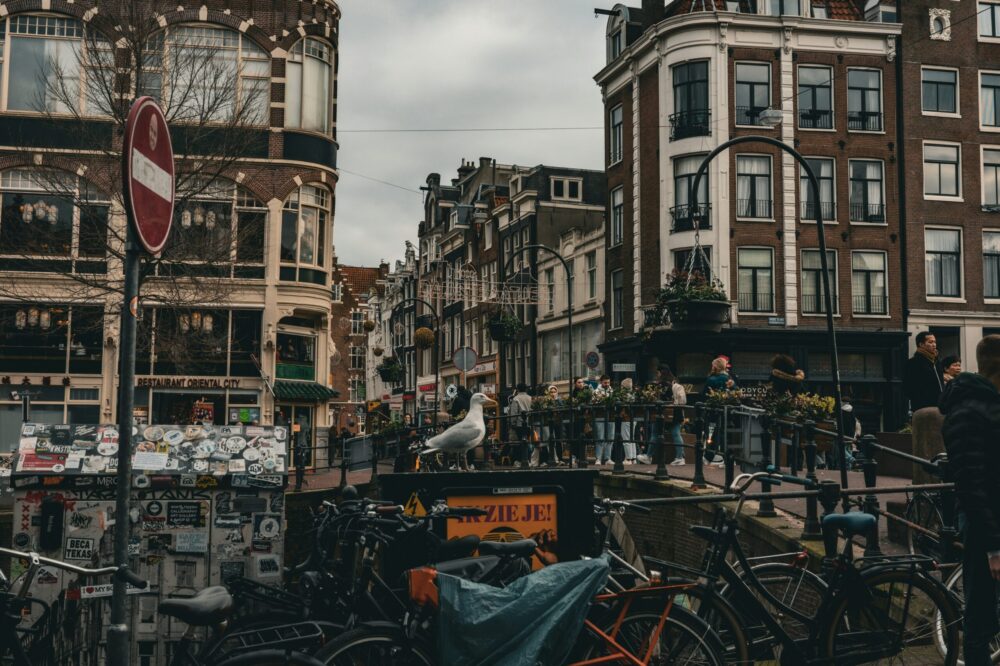
Photo by Ervis Topollaj on Pexels


Great article! I’m an international student planning to move to Amsterdam next fall. How early should I actually start looking for housing?
Thanks! As the article mentions, start 3-6 months before your move. Register with housing corporations like DUWO and De Key even earlier, as waiting lists can be 6-12 months. The earlier you begin, the better your chances.
Is it true that you need a guarantor for private rentals? I don’t have anyone in the Netherlands.
Yes, many private landlords require a guarantor with a Dutch income. If you don’t have one, some platforms like Kamernet offer options like paying a higher deposit or using a guarantor service. Co-living spaces are often more flexible for internationals.
I’ve heard Facebook groups are good for finding rooms. Which ones should I join?
Popular Facebook groups include ‘Amsterdam Student Housing’, ‘Kamers in Amsterdam’, and ‘Housing Amsterdam’. Be cautious of scams—never pay before viewing the room in person or via video call.
Thanks for the tip about registering with multiple housing corporations. Do I have to pay a fee for each?
Yes, most housing corporations charge a small annual fee (around €10-€25) to stay on their waiting lists. It’s worth paying for several to increase your chances, as rooms are often allocated by lottery or urgency.
What’s the best way to avoid rental scams when searching online?
Never transfer money before seeing the room or signing a contract. Use reputable platforms like Kamernet or Pararius, and verify the landlord’s identity. If a deal seems too good to be true, it probably is.
The article mentions municipality taxes of €200-400 per year. Is that for all students?
Not all students pay municipality taxes. If you live alone or share a household, you may be liable. However, many students in shared housing are exempt. Check with the municipality (Gemeente Amsterdam) for your specific situation.
I’m on a tight budget. Are there any affordable options besides student housing corporations?
Besides corporations, look into ‘kamer’ rentals in shared houses (€500-€800) via Kamernet or Facebook. Also consider temporary housing like hostels while you search. Some universities offer short-term rooms for new students.