

Table des matières:
Understanding Homesickness: It’s Normal and Manageable
Moving to Nice for your studies is an exciting adventure, but it’s also a major life change. Homesickness—a feeling of longing for home, family, and familiar surroundings—is a natural response to being in a new environment. It can hit you in the first week or months later, often triggered by stress, loneliness, or cultural differences. The good news? Homesickness is temporary and manageable. This guide offers practical, actionable steps to help you overcome homesickness while studying in Nice, so you can make the most of your time on the French Riviera.
Why Nice Can Trigger Homesickness (and Why That’s Okay)
Nice is a stunning city, but it can also be overwhelming. The language barrier, different social norms, and the pressure of academic life can amplify feelings of isolation. Even the beautiful Mediterranean backdrop doesn’t automatically make you feel at home. Remember: thousands of international students experience the same emotions. Acknowledging your feelings is the first step toward dealing with homesickness while studying in Nice.
Common Triggers for International Students in Nice
- Language fatigue: Constantly speaking or listening to French can be exhausting, even if you’re proficient.
- Cultural differences: Meal times, social interactions, and daily rhythms may differ from what you’re used to.
- Academic pressure: Adapting to a new education system can add stress.
- Missing familiar comforts: Your favorite foods, TV shows, or family traditions.
Practical Strategies to Overcome Homesickness in Nice
Below are evidence-based and student-tested methods to help you cope. Try combining several for the best results.
1. Build a New Routine That Includes Self-Care
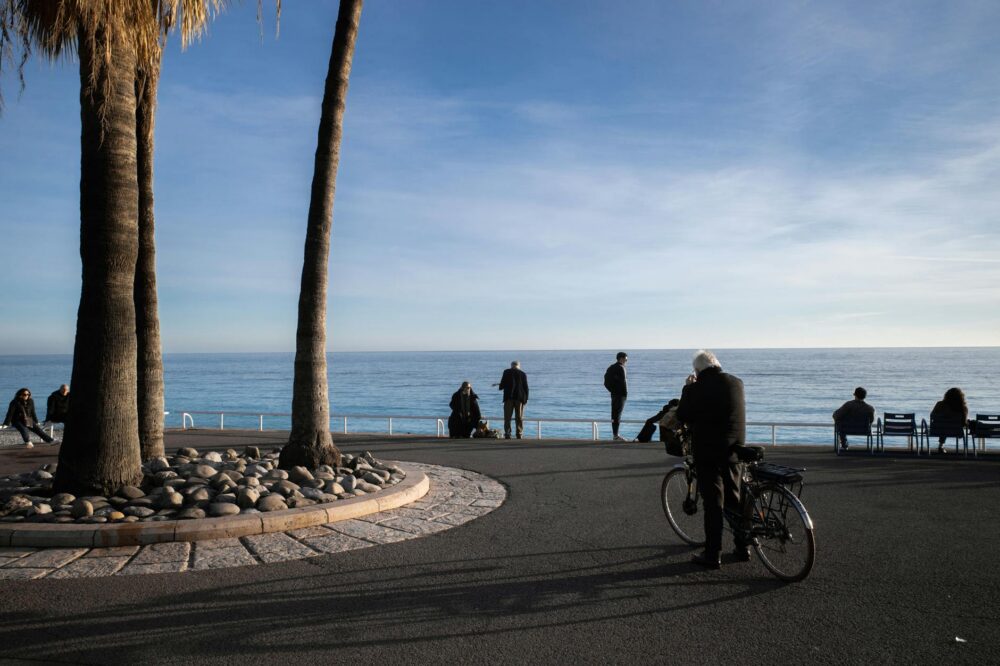
A structured day helps reduce anxiety. Start with small, consistent habits: a morning walk along the Promenade des Anglais, a regular study spot in a café, or a weekly grocery run at the Marché de la Libération. Include activities that ground you, like journaling or meditation. Self-care isn’t selfish—it’s essential for mental health.
2. Connect with Others (But Don’t Force It)
Loneliness fuels homesickness. Join student clubs, attend Erasmus events, or use apps like Meetup to find language exchange partners. The Université Côte d’Azur has a buddy program for international students. But remember: quality over quantity. A few genuine friendships matter more than many superficial ones.
3. Create a “Home Away from Home” in Your Accommodation
Personalize your space with photos, a favorite blanket, or familiar scents (like a candle that reminds you of home). Cook a dish from your country once a week. These small touches can provide comfort without isolating you from your new environment.
4. Stay Connected with Family and Friends (Mindfully)
Regular video calls can help, but too much contact may delay adjustment. Schedule calls at set times (e.g., Sunday evenings) instead of constantly checking in. Share your new experiences, not just your struggles. This turns conversations into a bridge between worlds.
5. Explore Nice Like a Local
Familiarity breeds comfort. Visit neighborhoods beyond the tourist spots: Cimiez for its Roman ruins, the port area for authentic seafood, or the hills of Mont Boron for panoramic views. Learning the city’s hidden gems makes it feel like yours.
6. Learn Basic French Phrases (Even If You’re Shy)
You don’t need to be fluent. Simple greetings, ordering food, or asking for directions can boost your confidence and reduce language anxiety. Take a free conversation class at the local Alliance Française or use apps like Duolingo.
7. Maintain Healthy Habits
Exercise, sleep, and nutrition directly affect mood. Join a gym, run along the beach, or try a yoga class in Parc Phoenix. The Mediterranean diet—rich in vegetables, olive oil, and fish—can also improve your well-being. Avoid excessive alcohol or junk food as coping mechanisms.

![[Certifié Apple MFi] Chargeur iPhone 14, Rombica 4Pack 20W USB-C Secteur Adaptateur Chargeur Mural Type-C Charge Rapide Avec Câble Type-C vers Lightning 2M Pour iPhone 14 13 12 11 Pro Max XS XR X iPad : Amazon.fr: High-Tech](https://eurovistatrips.com/wp-content/uploads/2026/05/611H375xWJL._AC_SX679_.jpg)
When Homesickness Becomes a Problem: Warning Signs
It’s normal to feel sad sometimes, but persistent symptoms may indicate depression or adjustment disorder. Seek help if you experience:
- Loss of interest in activities you once enjoyed
- Changes in appetite or sleep (too much or too little)
- Difficulty concentrating on studies
- Social withdrawal for more than two weeks
- Thoughts of self-harm or hopelessness
If any of these resonate, contact the university’s psychological support service (Service de Santé Étudiante) or a local therapist. You can also call the international student helpline at +33 1 42 63 03 03 (SOS Amitié).
Mistakes to Avoid When Dealing with Homesickness
Many students inadvertently make things worse. Here’s what to avoid:
| Mistake | Why It Backfires | Better Approach |
|---|---|---|
| Isolating yourself | Increases loneliness and rumination | Schedule even one social activity per week |
| Comparing your experience to others | Creates unrealistic expectations | Focus on your own journey |
| Ignoring self-care | Lowers resilience | Prioritize sleep, nutrition, exercise |
| Overusing social media to see home | Amplifies FOMO and longing | Limit scrolling; engage in real life |
| Refusing to speak French | Slows adaptation | Use apps or language partners |
How to Make Nice Feel Like Home: A Step-by-Step Checklist
Use this checklist to actively build your new life:
- ☐ Find a favorite café or park to visit regularly.
- ☐ Join one student club or sports group.
- ☐ Learn to cook three local dishes (e.g., socca, pissaladière, salade niçoise).
- ☐ Set up a weekly video call with family at a fixed time.
- ☐ Explore a new neighborhood each weekend.
- ☐ Attend a cultural event (carnival, film festival, market).
- ☐ Practice French for at least 15 minutes daily.
- ☐ Keep a journal of positive experiences and gratitude.
- ☐ If needed, book a session with the university counselor.
Frequently Asked Questions About Homesickness in Nice
How long does homesickness usually last for students in Nice?
Most students start feeling better after 2-3 months as they establish routines and friendships. However, it varies—some adapt in weeks, others take longer. Be patient with yourself.
Can I go home for a visit if I’m struggling?
Short visits can be refreshing, but avoid going home too often (e.g., every month) as it can delay adjustment. Aim for once per semester or during longer breaks.
What if I don’t speak French well? Will that make homesickness worse?
Yes, language barriers can increase feelings of isolation. But many locals in Nice speak English, especially in tourist areas. Still, learning basic French will help you feel more independent and connected.
Are there support groups for international students in Nice?
Yes. Université Côte d’Azur offers psychological support and peer mentoring. Also check Facebook groups like “International Students in Nice” or “Erasmus Nice.”
Should I tell my family I’m homesick?
Absolutely. Sharing your feelings can relieve pressure. But also share positive experiences so they know you’re adjusting. If talking to family makes you more upset, consider speaking with a friend or counselor.
What activities in Nice help with homesickness?
Outdoor activities like hiking Mont Boron, visiting the Musée Matisse, or joining a beach volleyball group can distract you and create new memories. Volunteering is another great way to meet people and feel purposeful.
Your Next Steps: Building a Fulfilling Life in Nice
Homesickness is a sign that you care about your roots—but it doesn’t have to define your experience. By taking small, consistent actions, you can transform Nice from a temporary study destination into a place that feels like a second home. Start with one item from the checklist above today. Remember, every international student has walked this path; you are not alone. Embrace the challenge, seek support when needed, and give yourself time to grow. The Mediterranean sun, the vibrant culture, and the friendships you’ll build are waiting for you.



I moved to Nice last month and the language fatigue is real. Any tips for practicing French without feeling overwhelmed?
Great question! Start with low-pressure activities like listening to French music or watching a show you already know dubbed in French. Also, try language exchange apps like Tandem where you can chat at your own pace. The key is to make it fun, not a chore.
What if you’re shy and find it hard to join clubs? I’m worried about forcing friendships.
Totally understandable. Start small: attend one low-key event, like a coffee meetup or a walking tour. You don’t have to be outgoing—just show up. Sometimes friendships grow naturally from shared experiences, even if you’re quiet.
The tip about scheduling video calls is so helpful. I was calling home every day and it made me miss home more. Setting a weekly call has been a game changer.
That’s a smart adjustment! It’s common to feel like more contact helps, but boundaries actually ease the transition. Glad it’s working for you—balance is everything.